

Egg Freezing : Who Should Consider It and How It Works
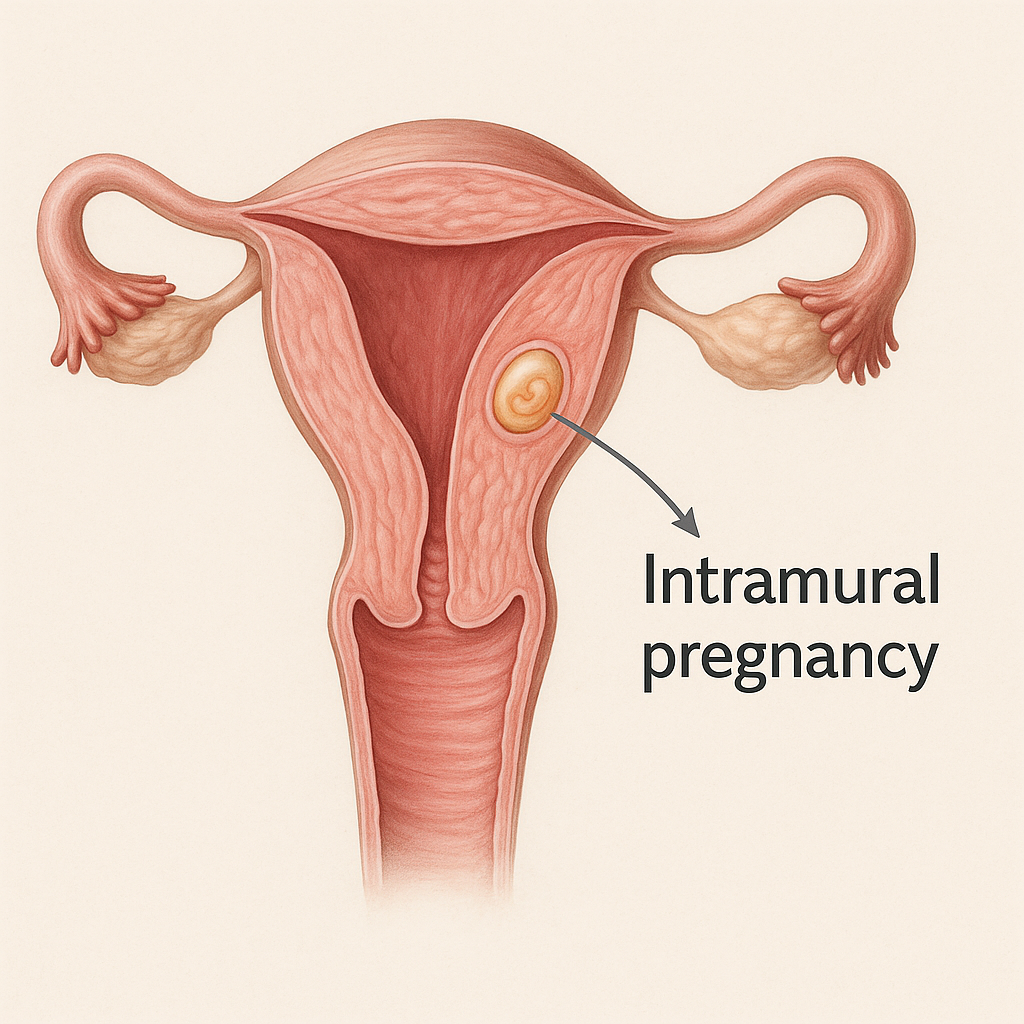
When a Dream Becomes a Challenge: A Rare Case of Intramural Pregnancy After IVF

Stem Cell Therapy: A New Hope for Infertility
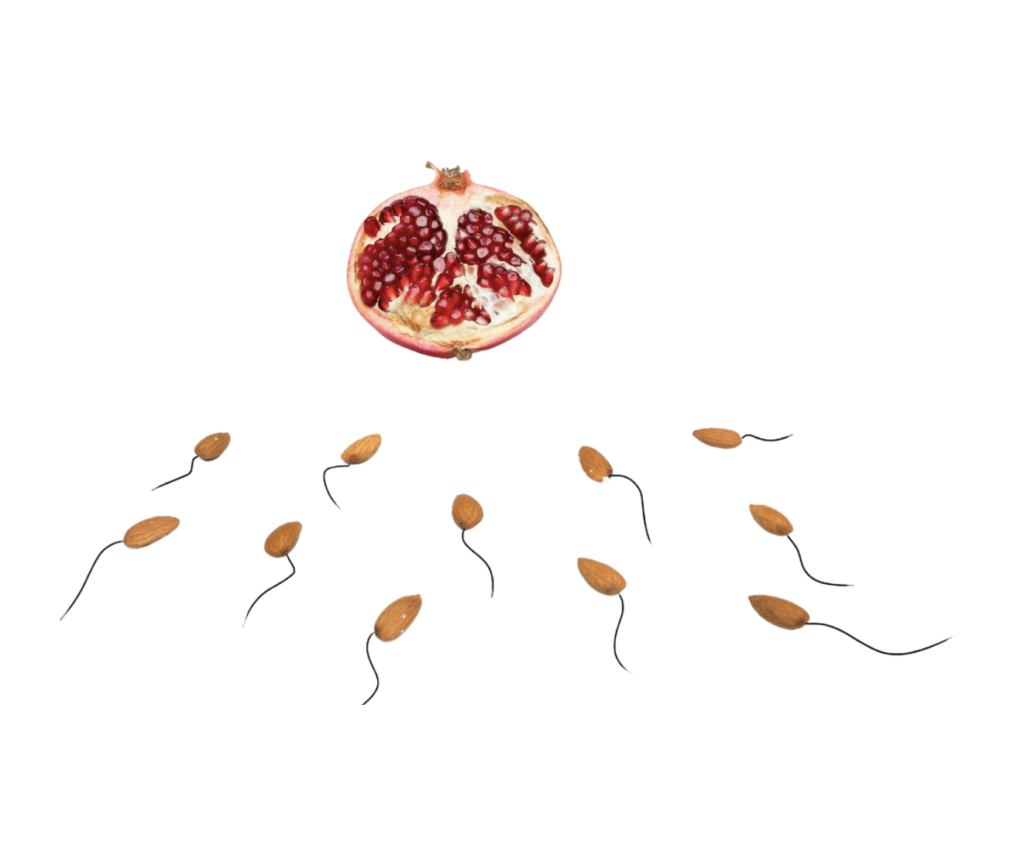
The Most Accurate Tests for Male Infertility Diagnosis

Genetics and Infertility Treatment: A Simple Guide

Does Lifestyle Affects Fertility in Men and Women?

Preserv Fertility: Egg Freezing Explained

Understanding IVF: How It Works and What to Expect

What is Ovarian Reserve? How to Test It. Can You Improve Your Egg Quality?

Investigating Infertility: The Most Accurate Tests for Women and Men
Embracing Hope: Understanding Fertility and Infertility
Fertility and infertility are complex subjects that affect millions of individuals and couples worldwide. Understanding these concepts is crucial for those experiencing challenges in conceiving a child. Throughout history, cultural narratives and scientific advancements have shaped our perceptions of these issues. Today, we will explore the various aspects of these topics, including the emotional journey of infertility, available treatments, and the importance of support systems.
Understanding the Journey of Fertility
The ability to conceive a child is influenced by numerous factors, including age, health, lifestyle, and even genetics. For instance, women are generally most capable in their 20s and early 30s, with fertility gradually declining as they approach their late 30s and 40s. Men also experience changes with age, although the decline is less pronounced. Understanding these biological factors can help individuals and couples make informed decisions regarding family planning.
Infertility, on the other hand, is defined as the inability to conceive after one year of unprotected intercourse for women under 35, and after six months for women over 35. Infertility can stem from various medical conditions, including polycystic ovary syndrome (PCOS), endometriosis, and male factor infertility, which encompasses issues like low sperm count or motility. It is essential to recognize that infertility is not solely a women’s issue; it affects men and women equally, and often, both partners may need to undergo medical evaluations.
Many couples find that understanding their situation can empower them to seek the right help and make informed choices.
Understanding the journey of fertility involves recognizing the emotional and physical challenges that many face.
The emotional impact of infertility can be profound. Many individuals experience feelings of grief, loss, and isolation. It is common for those struggling with infertility to feel as though their bodies have failed them. This emotional toll can lead to anxiety and depression, making it vital for individuals to seek support. Support groups, counseling, and open communication with partners can be beneficial in navigating these difficult feelings. Sharing experiences with others who understand can provide a sense of community and hope.
When it comes to treatments for infertility, there are various options available depending on the underlying causes. Lifestyle changes such as maintaining a healthy diet, exercising regularly, and managing stress can significantly impact reproductive health. Medical interventions may include medication to stimulate ovulation, surgical procedures to correct anatomical issues, or assisted reproductive technologies (ART) like in vitro fertilization (IVF). Each treatment comes with its own set of challenges and successes, and it is essential for couples to work closely with healthcare providers to determine the best approach for their situation.
Moreover, emerging technologies and research continue to provide hope for couples facing infertility. Innovations in genetic testing and cryopreservation have expanded options for individuals looking to conceive. Understanding the science behind these technologies can empower couples to make informed decisions about their reproductive health. It is also important to stay updated with ongoing research in fertility and reproductive health, as new findings may lead to more effective treatments and better outcomes.
Ultimately, embracing hope during the journey of fertility and infertility is essential. It is important to acknowledge the challenges while remaining open to possibilities. Whether through medical intervention, adoption, or remaining child-free, each individual’s path is unique. Cultivating resilience and seeking out resources can help individuals and couples navigate this journey with compassion and understanding.
As we delve deeper into the subject of fertility and infertility, it is vital to recognize the importance of education and advocacy. Increasing awareness about reproductive health can help break down stigmas associated with infertility. The more we talk about these issues, the more we can create an environment of support and understanding for those affected.
In conclusion, while the journey through fertility and infertility can be challenging, it is one filled with opportunities for growth, understanding, and resilience. By embracing hope and seeking support, individuals and couples can navigate their unique paths with empathy and determination. Remember, you are not alone in this journey, and there are resources and communities ready to support you.