
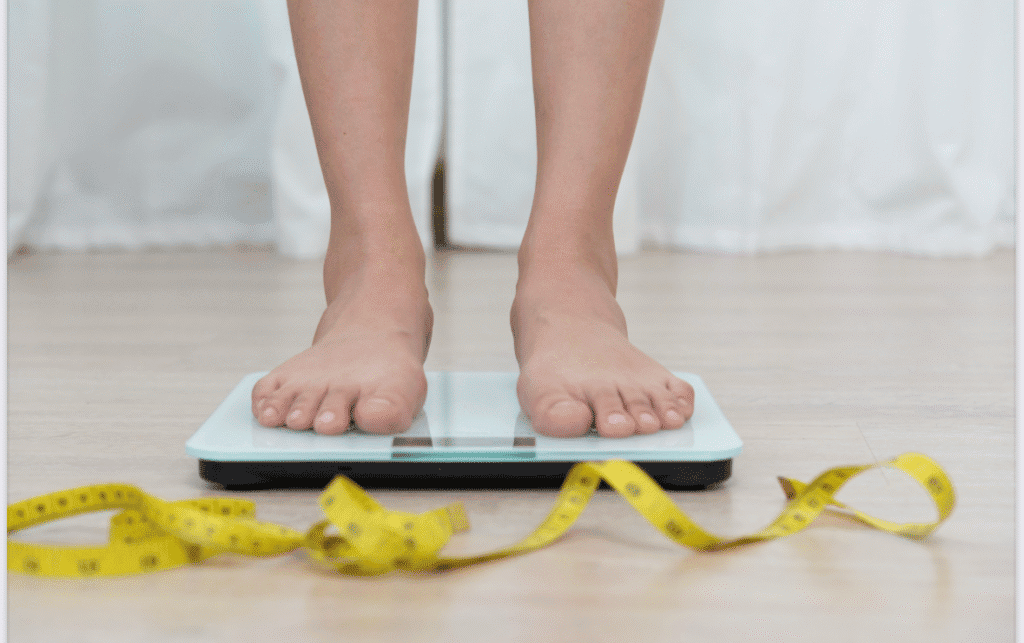
Menopause and Nutrition: My Patient Samara’s Turning Point
By Dr. Pereira
I remember clearly when Samara came into my office. She was 43, glowing with energy, newly engaged, and full of plans. But she wasn’t just asking about birth control or wedding stress. What worried her most was something that felt far away but deeply real: “Will I gain weight in menopause? Is it the hormones that make us fat?”
As a physician, I’ve seen these questions too many times—and they are valid. Menopause is a natural phase of life, but it comes with real physical changes that deserve our attention. And menopause and nutrition are inseparable when we talk about preventing disease, maintaining quality of life, and preserving self-esteem.
Let me walk you through what I shared with Samara—and what every woman should know.
Before I told Samara about diet, supplements, or weight gain, I explained something even more fundamental: what menopause really is.
Menopause is not a disease. It’s a milestone. A woman officially enters menopause when she has gone 12 consecutive months without a menstrual period, with no other medical cause. It usually occurs between the ages of 45 and 55, with the average age around 51.
But menopause is just one day—the anniversary of that 12th missed cycle. The years leading up to it? The ups and downs, the night sweats, the mood swings, the missed periods followed by heavy ones? That’s the climacteric—also called the menopausal transition or perimenopause.
Let me make it clear:
- Climacteric = the long hormonal rollercoaster before and after menopause
- Menopause = the official last period
- Postmenopause = the years after that day, when symptoms may continue or fade
This transition can last 7 to 10 years, and it’s one of the most biologically intense phases in a woman’s life. And yet, so many women enter it unprepared. That’s why talking about menopause and nutrition isn’t just about avoiding weight gain—it’s about protecting your bones, heart, brain, and emotional health for the decades ahead.
This phase marks a turning point in preventive care:
- It’s the time when osteoporosis risk accelerates
- When cardiovascular risk rises quietly
- When muscle loss, insulin resistance, and belly fat become real threats
- And when emotional health, sleep, libido, and memory can be deeply affected
I told Samara the truth: no one can stop this transition. But how you live through it—how you nourish your body—makes all the difference. And that’s where our journey with menopause and nutrition begins.
Why Menopause Changes Everything
The transition into menopause brings a cascade of hormonal shifts—especially the decline of estrogen. This key hormone doesn’t just regulate cycles and fertility. Estrogen touches almost every part of the body: bones, heart, brain, metabolism, and even our emotional responses to food and stress. That’s why menopause and nutrition must be a daily conversation.
Let’s break it down.
The Invisible Shift: How Menopause Transforms Your Body
As I sat across from Samara, I could feel the quiet anxiety in her eyes. Like so many women approaching menopause, she was scared—not just of the hot flashes or the missed periods, but of something deeper and more frustrating: the creeping weight gain, the drop in energy, the change in her reflection.
I explained to her that during menopause, the decline in estrogen doesn’t just affect the reproductive system. It alters nearly every metabolic pathway in the body. And nutrition during menopause becomes more than just a wellness trend—it becomes a medical necessity.
Bone Density and Calcium: A Silent Risk
Let’s begin with bone density.
Estrogen is a powerful protector of bones. It keeps the cells that build bone (osteoblasts) active and suppresses the ones that break bone down (osteoclasts). When estrogen drops, this balance is lost. Bones become porous. That’s why osteoporosis affects 1 in 2 postmenopausal women, often silently until the first fracture.
Many women don’t realize it, but we start losing bone mass earlier than we think. Estrogen helps our bones absorb calcium and maintain strength. Without it, the risk of osteoporosis increases dramatically. Some women lose up to 20% of their bone mass within the first five to seven years after menopause.
Imagine your bones like a bank account. In youth, we deposit calcium through food and exercise. But after menopause, we start withdrawing—rapidly. That’s why nutrition during menopause must focus on calcium-rich foods.
So when we talk about menopause and nutrition, calcium and vitamin D are your frontline defenders.
But taking calcium alone isn’t enough.
You need vitamin D to absorb calcium. You need magnesium to help calcium get into your bones and stay there. You need vitamin K2 to make sure calcium doesn’t deposit in your arteries instead of your skeleton. This triad is critical, and I often prescribe targeted supplementation based on lab results.
Real-life calcium sources aren’t just dairy. I tell my patients to embrace:
- Sardines with bones
- Cooked spinach
- Tofu set with calcium sulfate
- Fortified oat milk
Patient-Friendly Calcium Tips:
- Think of a yogurt cup as your daily dose of armor. One serving gives you 300–400 mg of calcium.
- Add leafy greens like kale to your lunch. A cooked cup has about 200 mg.
- Salmon and sardines with bones? Powerhouses of both calcium and omega-3.
But calcium isn’t enough. Without vitamin D, calcium cannot be absorbed properly. That’s why menopause and nutritiongo hand in hand with sunlight and supplements.
Why Vitamin D Is So Famous—And Rightly So
Vitamin D is more than a “bone vitamin.” It regulates immune health, helps prevent depression, and supports the nervous system. Many women are deficient, especially those who work indoors or live in places with low sunlight.
What I told Samara—and what I tell all my patients—is this: if you’re over 40 and don’t check your vitamin D yearly, it’s time to start.
- 15 minutes of daily sunlight (without sunscreen) helps your skin produce it.
- Fatty fish like tuna and mackerel support your levels.
- And for most of my patients, a supplement of 800–1,000 IU/day is a smart move after 45.
The Menopausal Heart: Silent Changes You Must Know
Many women are surprised to learn that the leading cause of death after menopause isn’t cancer—it’s heart disease.
Estrogen has a protective role in the cardiovascular system. It helps regulate cholesterol, keeps arteries flexible, and reduces inflammation. Once it drops, bad cholesterol (LDL) rises, good cholesterol (HDL) may fall, and arteries begin to stiffen.
That’s why nutrition after menopause is so crucial for heart protection.
I advise increasing fiber intake—which binds cholesterol in the digestive tract—and embracing anti-inflammatory fats. Think olive oil, walnuts, flaxseeds, and especially omega-3 fatty acids from fatty fish.
Let me pause and explain why omega-3 is so famous.
Omega-3 fatty acids, particularly EPA and DHA, are essential fats that the body can’t make on its own. They reduce triglycerides, slow plaque buildup in arteries, and support brain function. Women with higher omega-3 intake often report better mood, less brain fog, and more stable blood pressure. I always recommend salmon, sardines, or algae-based supplements for vegans.
If you eat fish twice a week and sprinkle chia seeds or flaxseeds on your breakfast, you’re already ahead. If not, supplements can help.
The Battle of the Belly: Metabolism, Insulin, and Weight
“Why is my belly growing even though I’m eating the same?” Samara asked me. A question I hear every single day.
The truth is: menopause slows metabolism, changes fat distribution, and increases insulin resistance. Even if you don’t change your eating habits, your body does. It becomes more efficient at storing fat, especially around the abdomen.
Belly fat isn’t just cosmetic. It’s metabolically active—producing inflammatory hormones, raising insulin, and increasing the risk of type 2 diabetes.
Here’s where fiber, protein, and magnesium step in.
- Protein preserves muscle mass, which is vital for metabolism.
- Fiber slows glucose absorption, balancing blood sugar and reducing cravings.
- Magnesium improves insulin sensitivity and helps regulate blood sugar.
Many women in midlife don’t realize they’re developing pre-diabetes. They’re eating what they always did, but gaining weight and losing energy. I teach them to build meals around fiber + protein + good fat and reduce sugar as much as possible.
Because, let’s be honest, sugar is the enemy.
It spikes insulin, fuels belly fat, and robs your body of nutrients like magnesium and B vitamins. That’s why menopause and nutrition are inseparable. What you eat truly changes how you feel—and how you age.
Caffeine, Alcohol, and Menopausal Symptoms
I also asked Samara about her habits. She enjoyed a glass of wine at night and a few cups of coffee during the day. Many of my patients do.
But during menopause, these habits can amplify symptoms:
- Alcohol reduces bone density, disrupts sleep, and worsens hot flashes.
- Caffeine can trigger anxiety, insomnia, and palpitations.
- Both can exacerbate night sweats and fatigue the next day.
I don’t tell my patients to eliminate everything they love. But we experiment. Reducing alcohol to a few times per month and swapping coffee for herbal teas can make a big difference.
And I remind them: these changes are not punishment. They are strategies to help them feel vibrant and in control again.
The Power of Protein, Fiber, and Omega-3 in Menopause and Nutrition
As I guide more and more patients like Samara through this stage of life, I always return to one central message: “Menopause and nutrition are inseparable allies.” No matter what symptoms you’re facing—weight gain, fatigue, brain fog, or bone loss—your plate can either fight for you or against you. Let’s talk about three critical nutrients: protein, fiber, and omega-3 fatty acids.
Protein: Preserving Strength and Metabolism
During menopause, a woman can lose up to 10% of her muscle mass each decade, especially without resistance training. This loss doesn’t just make you feel weaker—it slows your metabolism, increases the risk of insulin resistance, and leads to more fat gain, especially around the belly.
Menopause and nutrition intersect deeply here. Protein isn’t just for athletes or bodybuilders. For menopausal women, protein becomes a daily medicine. Adequate intake helps rebuild and preserve lean muscle, enhances fat-burning, and supports hormone production.
How much is enough? Aim for at least 1.2 grams of protein per kilogram of body weight per day. That means a 65 kg woman needs around 80 grams of protein daily—spread out through all meals.
Best protein sources during menopause:
- Lean meats: chicken, turkey, beef in moderation
- Fish: salmon, tuna, sardines (with bonus omega-3s!)
- Eggs: a complete protein
- Greek yogurt, cottage cheese, tofu, tempeh, and legumes
Fiber: Stabilizing Sugar, Reducing Bloat, and Feeding the Gut
When discussing menopause and nutrition, I often remind patients that fiber is underrated and under-consumed. But it’s one of the most powerful tools in managing insulin resistance, weight gain, and even bloating.
Soluble fiber (from oats, legumes, apples) helps stabilize blood sugar and reduces the absorption of dietary fat. Insoluble fiber (found in whole wheat, vegetables, and seeds) helps with bowel regularity and eases constipation—a common issue post-menopause.
But there’s more: fiber feeds your gut microbiome, the vast community of bacteria that regulates metabolism, immunity, and inflammation. A diverse, fiber-fed gut is a resilient one.
Aim for at least 25–30 grams of fiber per day.
Great fiber sources for menopausal women:
- Oats, quinoa, brown rice
- Leafy greens, broccoli, carrots, Brussels sprouts
- Berries, apples, pears
- Chickpeas, black beans, lentils, flaxseeds, and chia seeds
Omega-3 Fatty Acids: Reducing Inflammation and Supporting Brain and Heart
Few nutrients deserve the spotlight in menopause and nutrition like omega-3s do. These healthy fats are not produced by the body and must come from food. They reduce systemic inflammation, help manage mood swings and brain fog, and improve heart health—which is especially vital post-menopause when estrogen’s protective effects wane.
Why are omega-3s so famous? Because they work. Studies show that women with higher omega-3 intake have lower levels of depression, better cognitive performance, reduced risk of metabolic syndrome, and improved skin and hair health.
Where to get omega-3s naturally:
- Fatty fish like salmon, sardines, trout, mackerel
- Walnuts, chia seeds, flaxseeds
- Algae oil (great for vegetarians and vegans)
Pro tip: If you’re not getting fish twice per week, consider a high-quality omega-3 supplement with EPA and DHA.
Menopause and nutrition are not about restriction. They’re about strategy. By choosing protein to maintain strength, fiber to stabilize metabolism, and omega-3s to support your mind and heart, you’re not just surviving this stage—you’re thriving.
Sugar, Magnesium, and the Battle Against Belly Fat in Menopause and Nutrition
As I sat with Samara in the clinic room, I saw the same concern I see in countless women going through menopause: “Why is my belly changing so much—and why is it so hard to lose weight now?” The answer lies deep in the hormonal and metabolic shifts that happen during this life stage. And the solution? A powerful alignment of knowledge and action rooted in menopause and nutrition.
Sugar: The Silent Saboteur
Sugar may seem like a comfort—especially during emotional or hormonal swings—but it works silently against you. During menopause, your estrogen and progesterone levels fall. These hormones help regulate how your body stores fat and uses insulin. Without them, sugar is more likely to be stored as belly fat, increase inflammation, and lead to insulin resistance.
Consuming high amounts of sugar also worsens hot flashes, fatigue, mood swings, and sleep problems. That sweet dessert or sugary coffee may feel like a treat, but it’s fueling the very symptoms you’re trying to manage.
Why sugar is especially harmful during menopause and nutrition:
- Increases belly fat storage due to insulin spikes.
- Elevates inflammatory markers.
- Depletes magnesium and B vitamins.
- Triggers energy crashes and worsens fatigue.
Tips to reduce sugar in menopause and nutrition:
- Avoid sugary drinks, energy bars, and sweetened yogurts.
- Choose whole fruits instead of fruit juices.
- Satisfy cravings with dark chocolate (85% cacao or more).
- Read labels—sugar hides under names like maltose, dextrose, and syrup.
Magnesium: The Memory, Mood, and Metabolism Mineral
When we talk about menopause and nutrition, few minerals are as versatile and essential as magnesium. It supports over 300 biochemical processes in the body—including hormone regulation, memory, mood, sleep, and muscle function. During menopause, women often experience poor sleep, increased anxiety, and memory fog—all of which are linked to magnesium deficiency.
Estrogen helps magnesium stay in balance. As it declines, your magnesium levels may fall, especially if your diet is low in whole plant foods.
Benefits of magnesium during menopause and nutrition:
- Reduces anxiety and stress by calming the nervous system.
- Supports quality sleep by regulating melatonin.
- Improves memory and brain clarity.
- Helps regulate insulin and prevents blood sugar spikes.
- Reduces muscle cramps and improves bone density.
Where to find magnesium in menopause and nutrition:
- Almonds, cashews, and walnuts
- Pumpkin and sunflower seeds
- Spinach, kale, and other dark leafy greens
- Avocados and bananas
- Dark chocolate (with high cacao content)
Many women benefit from taking a magnesium supplement—preferably in the form of magnesium glycinate or citrate for better absorption and gentleness on the stomach.
Belly Fat: Understanding It—and Fighting Back
The belly fat that creeps up during menopause isn’t just cosmetic. It’s visceral fat, and it’s linked to inflammation, insulin resistance, heart disease, and even cognitive decline. Understanding why it forms—and what to do about it—is one of the biggest opportunities for reclaiming your health.
Why belly fat increases after menopause and nutrition considerations:
- Drop in estrogen leads to more fat stored around the waist.
- Lower progesterone causes fluid retention and bloating.
- Slower metabolism burns fewer calories at rest.
- Loss of muscle mass decreases fat-burning potential.
- Stress elevates cortisol, which promotes fat around the abdomen.
Menopause and nutrition tips to fight belly fat:
- Prioritize protein at every meal to preserve muscle.
- Avoid added sugars and refined carbs.
- Walk daily—especially after meals—to control blood sugar.
- Add resistance training 2–3 times per week.
- Improve sleep quality—poor sleep is linked to increased belly fat.
- Manage stress with yoga, journaling, breathing exercises.
Belly fat isn’t a sentence—it’s a signal. And through the right dietary strategies, movement, sleep, and stress management, it can be addressed effectively.
Menopause and nutrition together form your best ally in this journey.
The Hidden Triggers – Alcohol, Caffeine, and Sodium in Menopause and Nutrition
As I continued my discussion with Samara, her brow furrowed when we shifted topics. “I just want to feel like myself again,” she had said. The truth is, some everyday choices—like that evening glass of wine, morning coffee, or takeout dinner—can quietly worsen symptoms. That’s why menopause and nutrition must go hand in hand, especially when addressing triggers like alcohol, caffeine, and sodium.
Alcohol: How It Undermines Hormonal Balance
Many women ask, “Can I still enjoy a glass of wine?” Yes—but with awareness. Alcohol can worsen many menopausal symptoms and weaken your overall health in ways that aren’t obvious at first.
Why alcohol is harmful in menopause and nutrition:
- Triggers hot flashes and night sweats.
- Interrupts sleep cycles, leading to poor rest and fatigue.
- Affects liver metabolism of estrogen, disrupting hormonal balance.
- Reduces bone mineral density and increases risk of osteoporosis.
- Contributes to abdominal weight gain and increases the risk of breast cancer.
Tips for managing alcohol in menopause and nutrition:
- Stick to no more than one drink per occasion.
- Choose dry red wine or light beer instead of sugary cocktails.
- Drink slowly and pair with meals.
- Stay hydrated—alcohol depletes key nutrients like magnesium and B vitamins.
If you find that even small amounts of alcohol worsen your hot flashes or sleep, it may be worth reducing intake further or cutting it out.
Caffeine: The Energy Spike with a Hidden Cost
Coffee is part of so many women’s routines, but during menopause, it can turn from a friend to a foe. That’s because caffeine stimulates your nervous system at a time when your hormones are already in flux.
How caffeine affects menopause and nutrition:
- Increases anxiety and jitteriness.
- Can disrupt sleep, especially if consumed after noon.
- May trigger or intensify hot flashes.
- Can irritate the bladder, increasing urgency or frequency.
- Elevates cortisol, the stress hormone, which contributes to belly fat.
Menopause and nutrition strategies for caffeine:
- Limit to 1–2 cups of coffee per day, and avoid it after lunch.
- Switch to green tea or matcha for a gentler energy boost.
- Try decaf or herbal teas like chamomile, peppermint, or rooibos.
- Pay attention to caffeine hidden in sodas, energy drinks, and even chocolate.
A calmer nervous system helps balance hormones—and nutrition choices that reduce stimulation can be powerful in managing menopause.
Sodium: The Silent Contributor to Bloating and High Blood Pressure
Sodium is essential for life—but in excess, it quietly sabotages your progress. After menopause, your body becomes more salt-sensitive, and high-sodium foods can cause bloating, water retention, and blood pressure spikes.
Why sodium is a concern in menopause and nutrition:
- Estrogen decline impairs sodium balance.
- Promotes fluid retention and swelling.
- Increases blood pressure and cardiovascular risk.
- Makes you feel puffy and uncomfortable.
How to reduce sodium in menopause and nutrition:
- Avoid processed and packaged foods—these contain 75% of the sodium in the average diet.
- Use herbs, spices, lemon, and vinegar for flavor.
- Choose fresh or frozen vegetables over canned.
- Check labels—look for “low sodium” or <140 mg per serving.
Even small reductions in sodium can have a big impact—helping you feel lighter, less bloated, and more in control.
When I finished this part of the conversation with Samara, I saw her smile return. With this knowledge, she understood that menopause and nutrition were not just medical topics—they were keys to reclaiming her strength, sleep, and peace of mind.
Conclusion: Reclaiming Health Through Menopause and Nutrition
As our conversation came to an end, Samara looked more hopeful than when she had walked into my office. Like many women entering this new phase of life, she arrived with a storm of questions—about hormones, body changes, weight gain, and most importantly, how to take back control. What she discovered was that menopause and nutrition are deeply connected, not just in science, but in lived experience.
Menopause and nutrition aren’t about dieting or restriction—they are about empowerment. They are about understanding your body’s changing needs and nourishing it accordingly. From calcium for bone strength to fiber for blood sugar balance, from omega-3s for the heart and brain to magnesium for sleep and stress, the right foods can become your daily medicine.
Yes, the transition through menopause brings challenges—hot flashes, belly fat, mood swings, insomnia—but these are not sentences. They are signals. And with proper guidance, they can be managed through thoughtful, powerful choices.
By focusing on menopause and nutrition, you’re not just eating to survive—you’re eating to thrive. You’re building stronger bones, protecting your heart, balancing your hormones, and guarding your brain. You’re making peace with your body and giving it the respect it deserves.
There is no one perfect solution. But there is a path. And that path begins with awareness.
If you’re entering this phase, start by listening to your body. Then support it—with whole foods, with movement, with rest, and with compassion. Let menopause and nutrition be your guide.
And if you’re ready to take action, schedule a consultation. Let’s measure your nutrients, check your hormones, and build a personalized nutrition and wellness plan. The best years of your life might just be ahead of you.
Menopause and Nutrition – References
References
- Gartlehner, G., Patel, S.V., Reddy, S., Rains, C., Coker-Schwimmer, M., & Kahwati, L. (2022). Hormone Therapy for the Primary Prevention of Chronic Conditions in Postmenopausal Women. Agency for Healthcare Research and Quality.
- Huynh, E., et al. (2024). The Effects of Aerobic Exercise on Cardiometabolic Health in Postmenopausal Females. Women’s Health, 20(1), 1–17.
- Money, A., et al. (2024). The Impact of Physical Activity and Exercise Interventions on Symptoms for Women Experiencing Menopause. BMC Women’s Health, 24(399).
- Sarmento, A.C.A., et al. (2022). Efficacy of Hormonal and Nonhormonal Approaches to Vaginal Atrophy and Sexual Dysfunctions in Postmenopausal Women. Revista Brasileira de Ginecologia e Obstetrícia, 44(10), 986–994.
Leave a Reply