What’s new

  • Can Long-Term Use of Birth Control Make It Harder to Get Pregnant?

    Long-term birth control methods including pills, IUD, ring, and injection shown on colored background

    1. How Does Long-Term Birth Control Work?

    Birth control methods prevent pregnancy by stopping ovulation, blocking sperm, or making the uterus less hospitable for implantation. The most common types include:

    Hormonal methods – Pills, patches, rings, injections, implants, and hormonal IUDs. These use synthetic hormones to prevent ovulation or change the cervical mucus and uterine lining. Non-hormonal methods – Copper IUDs, condoms, diaphragms, and fertility awareness methods. These do not interfere with ovulation but prevent fertilization or implantation. Permanent methods – Tubal ligation (for women) and vasectomy (for men) are surgical procedures that permanently prevent pregnancy.

    2. Will Long-Term  Birth Control Affect My Fertility?

    2.1 Birth Control Pills, Patches, and Vaginal Rings

    How they work: These methods contain estrogen and/or progestin to prevent ovulation. Fertility after stopping: Most women start ovulating within a few weeks to months after stopping. How long does it take to get pregnant? About 50% of women conceive within 3 months, and 80% get pregnant within a year (Gnoth et al., 2003).

    Birth control pills do not cause infertility, but some women may take a few months for their cycles to regulate.

    2.2 Long-Term Birth Control Injections

    How it works: Depo-Provera is a shot given every 3 months that stops ovulation. Fertility after stopping: It can take 6-12 months for ovulation to return. How long does it take to get pregnant? Most women conceive within 10-18 months after the last shot (Peterson et al., 2000).

    If you want to get pregnant soon, injections may not be the best choice because it can delay fertility longer than other methods.

    2.3 Long-Term Birth Control Implants

    How it works: A small rod placed under the skin releases progestin to stop ovulation for up to 5 years. Fertility after stopping: Ovulation typically returns within 3 months after removal (Hidalgo et al., 2009). How long does it take to get pregnant? Most women conceive within 6-12 months.

    Implants are long-lasting but do not cause long-term fertility issues.

    2.4 Intrauterine Devices (IUDs)

    There are two types of IUDs:

    Hormonal IUD

    How it works: Releases progestin to thicken cervical mucus and sometimes stop ovulation. Fertility after stopping: Ovulation returns within a month after removal.

    How long does it take to get pregnant? About 80% of women conceive within a year (Lira et al., 2010).

    Copper IUD

    How it works: Does not use hormones; instead, copper creates an environment that prevents sperm from reaching the egg. Fertility after stopping: Ovulation resumes immediately after removal. How long does it take to get pregnant?85% of women conceive within a year (Hatcher et al., 2018).

    IUDs do not cause infertility, and most women can get pregnant quickly after removal.

    2.5 Permanent Birth Control (Tubal Ligation & Vasectomy)

    How it works: These procedures permanently block the sperm or eggs from meeting. Fertility after stopping: Reversal is possible but not always successful. How long does it take to get pregnant? Even with reversal surgery, pregnancy success rates range from 40- 80%(Melo et al., 2008).

    Bottom line: Tubal ligation and vasectomy should be chosen only if you are 100% sure you do not want children in the future.

    3. Does Long-Term Birth Control Harm My Reproductive System?

    Most research shows that using birth control for many years does not harm fertility. However, some women may experience:

    Delayed ovulation after stopping – This is more common with injectables like Depo-Provera. Thinner uterine lining – Long-term use of hormonal contraceptives may cause a thinner endometrial lining, but it usually returns to normal within a few months. Undiagnosed reproductive issues – Some women who stop birth control discover they have conditions like PCOSor endometriosis, which were masked by the pill.

    Important: If your periods do not return within 3-6 months after stopping birth control, talk to your doctor.

    4. How Can I Improve My Chances of Getting Pregnant After Long-Term Birth Control?

    If you have been on birth control for a long time and want to conceive, here are some tips:

    Track your ovulation – Use ovulation tests or monitor your cycle. Take prenatal vitamins – Folic acid helps prepare your body for pregnancy. Maintain a healthy weight – Being overweight or underweight can affect fertility. Reduce stress – High stress levels can interfere with ovulation. See a doctor if needed – If you do not get pregnant after a year (or after 6 months if over 35), consult a fertility specialist.

    5.Long-Term Birth Control – Conclusion

    Long-term birth control does not cause infertility, but some methods may temporarily delay the return of ovulation. Most women can get pregnant within 3-12 months after stopping birth control. The birth control shot has the longest delay, while IUDs, implants, and pills allow for a quicker return to fertility. If you are planning a pregnancy, it is important to choose a contraceptive method that aligns with your future goals.
    Long-Term Birth Control-References

  • Ten Frequently Asked Questions About Contraceptives

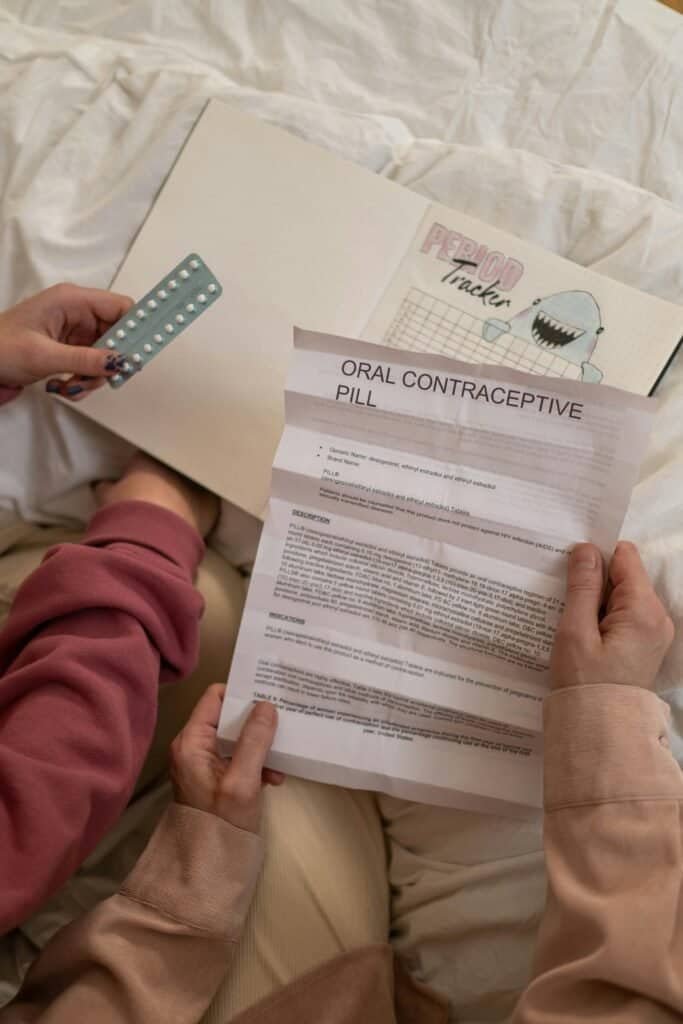
    Hands holding oral contraceptive pill leaflet next to period tracker, representing questions about contraceptives

    1. What Are the Most Common Types of Contraceptives?

    There are several types of contraceptives, including:

    • Barrier Methods: Condoms (male and female), diaphragms, and cervical caps physically block sperm from reaching the egg. Condoms also protect against sexually transmitted infections (STIs).

    • Hormonal Methods: Pills, patches, vaginal rings, injections, and implants release hormones to prevent ovulation or make the uterus less receptive to pregnancy.

    • Intrauterine Devices (IUDs): These are small T-shaped devices placed inside the uterus. Copper IUDs work without hormones, while hormonal IUDs release small amounts of progestin.

    • Natural Methods: Also called fertility awareness methods, these involve tracking ovulation and avoiding intercourse during fertile days.

    • Permanent Methods: Tubal ligation (for women) and vasectomy (for men) permanently prevent pregnancy.

    The best method depends on individual needs, health history, and lifestyle.

    2. How Effective Are Contraceptives in Preventing Pregnancy?

    Contraceptives vary in effectiveness. Here are common methods and their success rates with typical use:

    • IUDs and Implants: Over 99% effective—once inserted, they work for years.

    • Injectables (Depo-Provera): About 94% effective if taken on time.

    • Birth Control Pills, Patches, and Vaginal Rings: Around 91% effective with typical use (higher with perfect use).

    • Male Condoms: About 85% effective.

    • Female Condoms: Around 79% effective.

    • Withdrawal Method (“Pulling Out”): Only 78% effective due to the risk of pre-ejaculation sperm.

    • Fertility Awareness Methods: 76% effective on average, but higher with careful tracking.

    Using two methods (e.g., condoms + birth control pills) improves protection.

    3. Do Birth Control Pills Cause Weight Gain?

    Weight gain is a common concern, but studies show that most women do not gain significant weight from birth control pills. However, some may experience:

    • Temporary Water Retention: Some people feel bloated, but this is not actual fat gain.

    • Increased Appetite: A small percentage may eat more, leading to weight gain.

    • Injectable Contraceptives: This method is more likely to cause weight gain over time.

    If weight gain is a concern, switching to another contraceptive may help.

    4. What Are the Common Side Effects of Contraceptives?

    Most side effects are mild and improve after a few months. They include:

    • Hormonal Methods (Pills, Patches, Rings, Implants, Injections):

      • Nausea

      • Headaches

      • Mood changes

      • Breast tenderness

      • Irregular bleeding

    • IUDs:

      • Copper IUDs may cause heavier periods at first.

      • Hormonal IUDs often make periods lighter or stop them completely.

    • Barrier Methods (Condoms, Diaphragms):

      • Some people experience irritation or latex allergies.

    Most side effects go away with time. If they persist, consult a doctor.

    5. Can Contraceptives Affect Fertility in the Long Term?

    Birth control does not cause infertility. Most women can get pregnant shortly after stopping contraceptives. Here’s how different methods affect fertility:

    • Pills, Patches, Rings, and IUDs: Ovulation typically resumes within a few weeks to months.

    • Injectables : It may take 6-12 months for ovulation to return.

    • Permanent Methods (Tubal Ligation, Vasectomy): These are irreversible.

    Birth control only prevents pregnancy while being used.

    6. Is It Safe to Use Contraceptives for Many Years?

    Yes, birth control is safe for long-term use for most women. Benefits include:

    However, women over 35 who smoke or have a history of blood clots should talk to their doctor about safer options.

    7. Can Contraceptives Help With Acne?

    Yes! Some birth control pills help reduce acne by regulating hormone levels.

    Not all pills improve acne, so it’s important to discuss options with a doctor.

    8. What Are the Benefits of Using an IUD?

    IUDs are one of the most effective birth control methods. Benefits include:

    • Long-lasting protection (3-10 years depending on type).

    • Low maintenance—no daily pills or reminders needed.

    • Highly effective—over 99% protection.

    • Can reduce heavy periods (hormonal IUDs).

    • Non-hormonal option available (copper IUD).

    Some women experience cramping initially, but this usually improves.

    9. Can Birth Control Pills Regulate Periods?

    Yes! Many women use birth control to:

    • Make periods more predictable.

    • Reduce cramps and PMS symptoms.

    • Lighten heavy bleeding.

    • Skip periods entirely (with continuous use).

    Doctors often prescribe birth control for conditions like PCOS and endometriosis.

    10. Do Contraceptives Protect Against STIs?

    No, hormonal contraceptives do not protect against sexually transmitted infections (STIs). Only condoms provide STI protection.

    For the best protection, use condoms along with another birth control method.

    Conclusion

    Choosing the right contraceptive method depends on personal needs, health, and lifestyle. Understanding the options and side effects helps individuals make informed decisions. Always consult a healthcare provider for personalized advice.

    References

    1. Trussell, J. (2011). “Contraceptive failure in the United States.” Contraception, 83(5), 397–404.

    2. Curtis, K. M., et al. (2016). “U.S. medical eligibility criteria for contraceptive use.” MMWR Recommendations and Reports, 65(3), 1–104.

    3. Gallo, M. F., et al. (2013). “Combination contraceptives and weight gain.” Cochrane Database of Systematic Reviews, 2013(1).

    4. Winner, B., et al. (2012). “Effectiveness of long-acting reversible contraception.” New England Journal of Medicine, 366(21), 1998–2007.

    5. Hatcher, R. A., et al. (2018). Contraceptive Technology (21st ed.).


  • Which Birth Control Causes the Most Weight Gain?

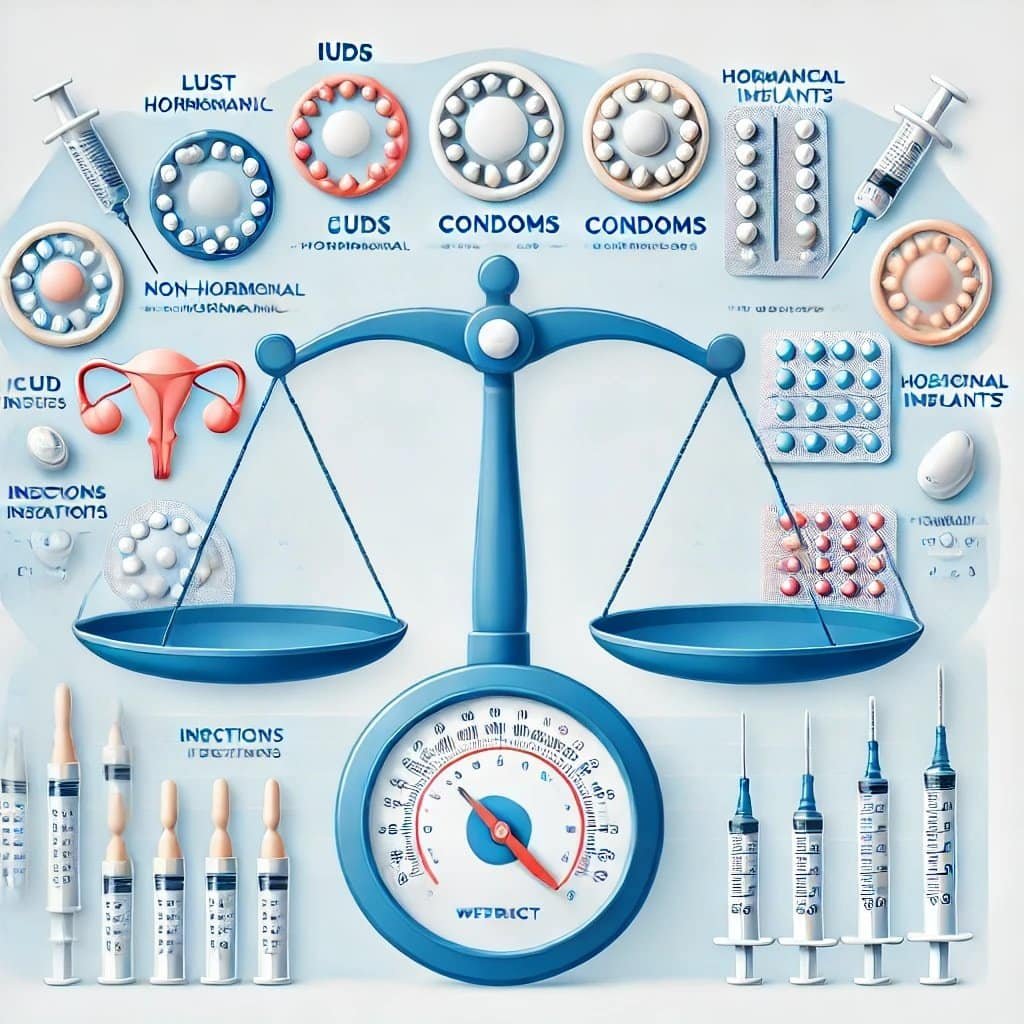
    Comparison of birth control methods and weight gain risk illustrated with a balance scale

     Birth Control And Weight Gain?

    Many people worry about weight gain when using birth control. While some contraceptives may cause fluid retention or increase appetite, most studies do not show a direct link between hormonal birth control and actual fat gain. However, some methods have a higher potential for weight-related changes than others, especially when used long-term or in individuals with higher hormonal sensitivity.

    Let’s break down which birth control methods may contribute to weight gain, why this happens, and what you can realistically do about it to stay healthy and in control of your choices.

    Can Birth Control Make You Gain Weight?

    Birth control methods that contain hormones (estrogen and progestin) can affect appetite, metabolism, and water retention. Some people experience temporary weight gain, while others see no change at all.

    Weight gain with birth control can be due to:

    1. Increased appetite → Some hormonal contraceptives (especially those with progestin) may make you feel hungrier.

    2. Water retention → Estrogen and progestin can cause the body to hold onto fluids, making you feel bloated.

    3. Fat redistribution → Some contraceptives may alter how fat is stored, especially in areas like the hips, thighs, and abdomen.

    4. Metabolism changes → Some studies suggest that certain birth control methods can slightly slow metabolism.

    While some short-term weight gain may occur, research shows that most hormonal contraceptives do not lead to long-term fat accumulation.

    Birth Control Methods Most Likely to Cause Weight Gain

    Some contraceptives are more likely than others to lead to weight gain. The methods with the strongest links to weight gain include:

    1. Medroxyprogesterone Injection

    • This is an injectable birth control shot given every three months.

    • Most studies show that Medroxyprogesterone Injection is the birth control method most strongly associated with weight gain.

    • Women may gain an average of 5 to 10 pounds in the first year, and some gain even more with continued use.

    • How it causes weight gain:

      • Increases appetite significantly.

      • May slow metabolism, leading to increased fat storage.

      • Some users report feeling less energetic, leading to lower physical activity.

             What to Do?

    • If you are worried about weight gain, you might consider switching to another method.

    • If you want to stay on , monitor your diet and exercise to counteract weight gain.

    2. Birth Control Implants 

    • A small rod placed under the skin that releases progestin for up to 3 years.

    • Some users report mild weight gain (2–4 pounds in the first year).

    • How it causes weight gain:

      • May increase appetite in some users.

      • Slight fluid retention, but less than the Depo-Provera shot.

             What to Do?

    • Most weight changes with implants are mild and stabilize over time.

    • If weight gain is a concern, switching to a non-hormonal method (like a copper IUD) may help.

    3. Birth Control Pills (Combination Pills and Mini-Pills)

    • Most birth control pills do not cause long-term weight gain.

    • Some people may retain water or feel bloated for the first few months, but this usually goes away.

    • How it may cause weight gain:

      • Estrogen can cause fluid retention, leading to bloating.

      • Some progestins may slightly increase appetite.


            What to Do?

    • If you experience bloating, consider switching to a low-dose estrogen pill (like those containing drospirenone, which has a mild diuretic effect).

    • The mini-pill (progestin-only pill) may cause less bloating than combination pills.

    4. Hormonal IUD

    • Releases low-dose progestin directly into the uterus.

    • Less likely to cause weight gain than injections or implants.

    • How it may cause weight gain:

      • Mild fluid retention in some users.

      • May slightly increase appetite in some cases.

             What to Do?

    • If you experience weight gain, check if it’s due to water retention, which usually goes away in a few months.

    • Consider switching to a copper IUD, which does not contain hormones.

    Birth Control Methods Least Likely to Cause Weight Gain

    If you are concerned about weight gain, these options may be better choices:

    Non-hormonal Copper IUD (ParaGard) → No hormones, no effect on metabolism or appetite.Birth Control Patch or Ring (NuvaRing, Xulane) → Lower chance of weight gain compared to Depo-Provera.

    Low-dose Estrogen Pills → May reduce bloating due to mild diuretic effect. Barrier Methods (Condoms, Diaphragm, Cervical Cap) → No hormones, no effect on weight.

    How to Manage Weight While on Birth Control

    If you are gaining weight and suspect birth control might be the cause, here’s what you can do:

     Give Your Body Time → Some weight gain (bloating or water retention) is temporary and disappears in a few months.

    Monitor Your Appetite → If you feel hungrier, try to eat high-fiber, protein-rich foods to stay full longer.

    Stay Active → Regular exercise (even walking 30 minutes daily) can help maintain weight.

    Drink Plenty of Water → Helps reduce bloating and water retention.

    Talk to Your Doctor → If weight gain continues, switching to another method may help.

    Final Thoughts: Which Birth Control Causes the Most Weight Gain?

    Among all contraceptives, Medroxyprogesterone Injection (the birth control shot) has the strongest link to weight gain, followed by hormonal implants. Birth control pills, hormonal IUDs, and the vaginal ring generally have minimal effects on weight, though some users report temporary bloating or fluid retention.

    However, weight is not the only concern. Other birth control methods may cause side effects such as irregular bleeding, cramping, or spotting between periods—especially in the first few months of use. Copper IUDs, while hormone-free, can increase menstrual bleeding and worsen cramps in some women. Each method comes with its own benefits and trade-offs. If weight gain or other symptoms become troubling, consider switching to a method with fewer hormonal effects—like a copper IUD or low-dose combined pill. Always consult your doctor to find the safest and most comfortable option for your individual needs and health goals.

    References

    1. Berenson, A. B., Rahman, M., & Wilkinson, G. S. (2009). Weight gain associated with injectable progestin contraception. Obstetrics & Gynecology Journal.

    2. American College of Obstetricians and Gynecologists (ACOG). Birth Control and Weight Gain: Myths and Facts. 2023.

    3. World Health Organization (WHO). Contraceptive Use and Health Effects. 2022.

    4. Centers for Disease Control and Prevention (CDC). Contraceptive Efficacy and Side Effects. Updated 2023.

    5. Lopez, L. M., Ramesh, S., Chen, M., et al. (2016). Progestin-only contraceptives: effects on weight. Cochrane Database of Systematic Reviews.

  • What Happens If You Get Pregnant with an IUD?

    How Does Pregnancy with an IUD Happen?

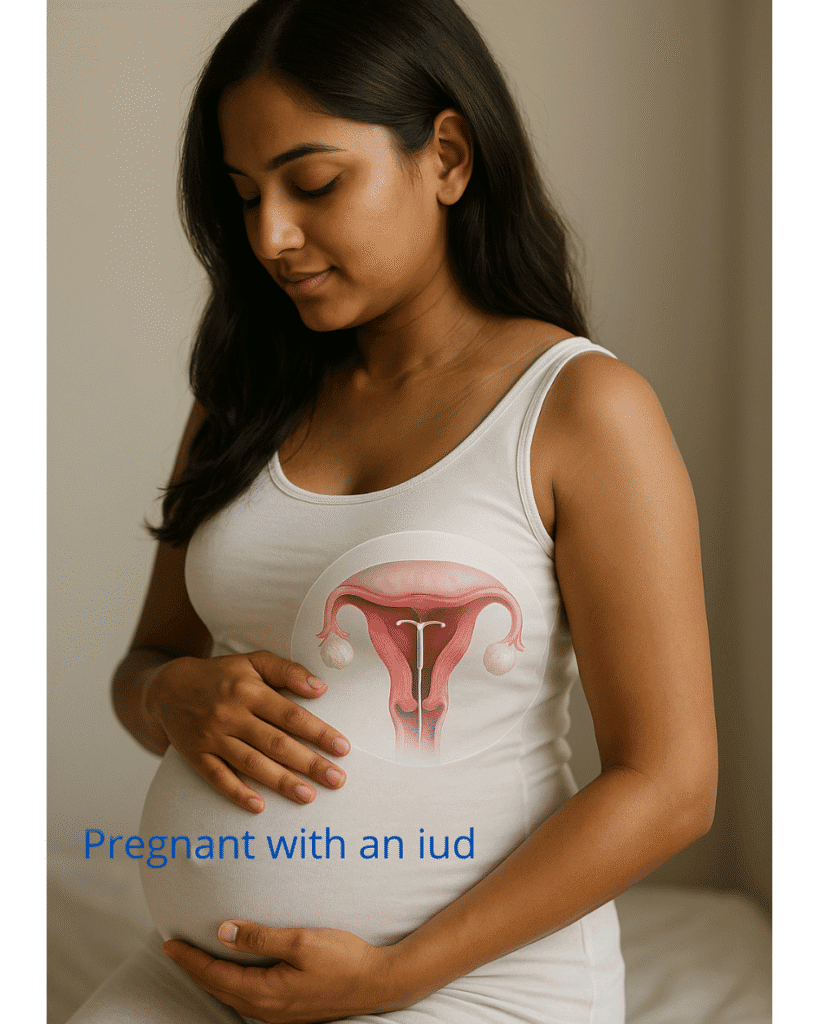
    Pregnant woman with an intrauterine device (IUD) illustration, symbolizing pregnancy with an IUD

    Even though IUDs are over 99% effective, a small percentage of people can still become pregnant. The main reasons for this include:

    1. IUD Expulsion: Sometimes, the IUD can be pushed out of the uterus without the person realizing it. This leaves them unprotected against pregnancy.
    2. Incorrect Placement: If the IUD is not properly inserted, it may not work as intended.
    3. Failure to Prevent Fertilization: Though rare, sperm may still fertilize an egg despite the presence of an IUD.
    4. Conception Before Insertion: If a person is already pregnant when the IUD is placed, it won’t prevent that pregnancy from continuing.
    5. Perforation: In extremely rare cases, the IUD can perforate the uterine wall and move outside the uterus, making it ineffective.

    Types of Pregnancy with an IUD

    There are two main types of pregnancy that can occur with an IUD:

    1. Intrauterine Pregnancy (Pregnancy in the Uterus)

    • In some cases, the fertilized egg successfully implants in the uterus despite the IUD.
    • Doctors may attempt to remove the IUD early in pregnancy if the strings are visible. If the IUD remains in place, the risk of complications such as miscarriage (50%+), infection, and preterm birth increases.
    • If removal is not possible, close monitoring throughout pregnancy is necessary.

    2. Ectopic Pregnancy (Pregnancy Outside the Uterus)

    • The biggest concern with an IUD pregnancy is an ectopic pregnancy, where the fertilized egg implants outside the uterus, usually in a fallopian tube.
    • Ectopic pregnancies can be life-threatening and require immediate medical attention.
    • Symptoms of an ectopic pregnancy include severe pelvic pain, vaginal bleeding, dizziness, and shoulder pain.

    Symptoms of Pregnancy with an IUD

    If you have an IUD and suspect you might be pregnant, watch for these symptoms:

    • Missed period (if your cycles are usually regular).
    • Light spotting or abnormal bleeding (this can be a sign of ectopic pregnancy).
    • Lower abdominal pain or cramping.
    • Breast tenderness, nausea, or other common pregnancy symptoms.
    • A positive pregnancy test.

    If you experience sharp pain, dizziness, or heavy bleeding, seek medical attention immediately, as these could be signs of an ectopic pregnancy.

    What to Do If You Get Pregnant with an IUD

    1. Take a Pregnancy Test: If you suspect pregnancy, test as soon as possible.
    2. See a Doctor Immediately: An ultrasound will confirm if the pregnancy is inside the uterus or ectopic.
    3. Discuss IUD Removal: If the pregnancy with an IUD is intrauterine and the IUD strings are accessible, removal is often recommended to reduce risks.
    4. Monitor for Complications: If the IUD cannot be removed, frequent medical monitoring will be necessary to ensure a safe pregnancy.

    Risks of Pregnancy with an IUD

    • Miscarriage – If the IUD remains in place, miscarriage risk is 50% or higher.
    • Ectopic Pregnancy – About 1 in 2 pregnancies with an IUD are ectopic.
    • Preterm Birth – Increased risk of early labor and low birth weight.
    • Infections – Higher risk of a serious uterine infection (chorioamnionitis).

    Can You Have a Healthy Pregnancy with an IUD?

    Yes, it is possible to have a healthy pregnancy with an IUD, but the risks are higher than normal pregnancies. If the IUD can be removed safely, the chances of carrying a healthy baby improve significantly.

    If the IUD remains in place, careful monitoring is required to reduce complications. Some women have delivered healthy babies despite an IUD, but they need frequent check-ups to ensure everything is progressing safely.

    Pregnancy with an IUD : Final Thoughts

    Getting pregnant with an IUD is rare, but it requires immediate medical attention. If you suspect pregnancy, take a test and consult a doctor to confirm its location. The main risks are miscarriage, infection, and ectopic pregnancy, but with proper medical care, a healthy pregnancy is possible.

    References

    1. American College of Obstetricians and Gynecologists (ACOG). “Long-Acting Reversible Contraception (LARC): IUDs and Implants.” 2023.
    2. Centers for Disease Control and Prevention (CDC). “Effectiveness of Birth Control Methods.” Updated 2023.
    3. Allen, R. H., & Goldberg, A. B. (2022). “Pregnancy Outcomes with Intrauterine Devices in Place: Risks and Management.” Obstetrics & Gynecology Journal.
    4. Lippincott Williams & Wilkins (2021). Management of Contraceptive Failures. In: Berek & Novak’s Gynecology, 16th Edition.