Author: contact@vittafemme.com

  • APOE and Menopause: 7 Powerful Brain Protection Strategies After 45

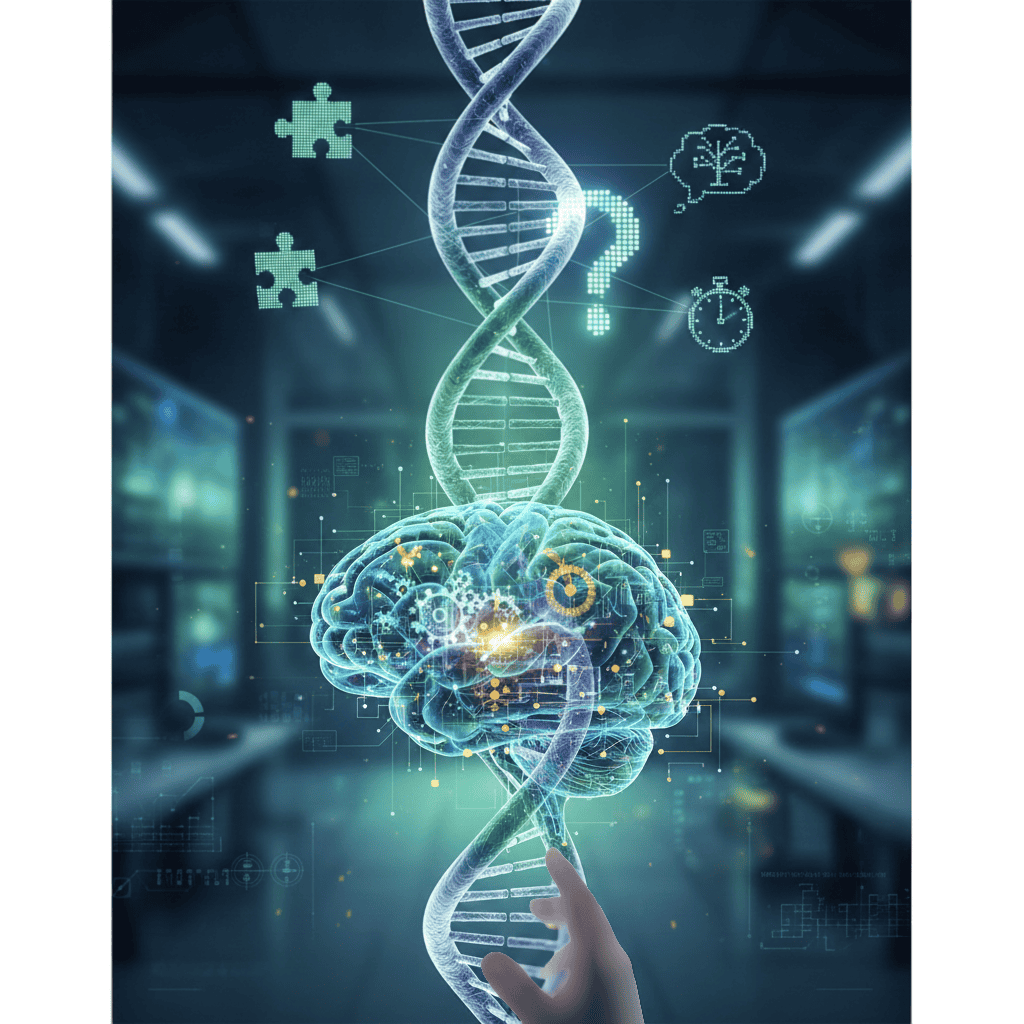
    Apoe and menopause

    APOE and menopause may sound like two completely separate topics — one genetic, one hormonal. But for women over 45, they are deeply connected.

    You may have heard about the “Alzheimer’s gene.” You may have read that carrying something called APOE ε4 increases dementia risk. And you may also have noticed that during menopause, your brain feels different — more foggy, more tired, less sharp.

    These changes can feel frightening.

    But here is the most important truth:

    Genes are not destiny.

    Menopause is not disease.

    And brain aging is not inevitable.

    Understanding APOE and menopause gives you power — not fear.

    Let’s break it down clearly.

    What Is APOE? (Simple Explanation)

    APOE stands for Apolipoprotein E.

    It is a gene that gives your body instructions to make a protein. That protein helps transport cholesterol and fats in your bloodstream and inside your brain.

    Your brain is made largely of fat. Cholesterol is not just something doctors measure on blood tests — it is essential for:

    • Building brain cell membranes
    • Repairing neurons
    • Supporting communication between brain cells
    • Clearing waste proteins

    APOE helps manage this system.

    There are three main versions (called variants):

    • ε2
    • ε3
    • ε4

    You inherit one from each parent. That combination is called your genotype.

    A genotype simply means the specific version of a gene that you carry.

    The most common combination is ε3/ε3.

    Carrying ε4 increases Alzheimer’s risk.

    But it does not guarantee disease.

    That distinction matters enormously when discussing APOE and menopause.

    APOE and Menopause: Why Timing Matters

    During your reproductive years, estrogen protects the brain in multiple ways.

    Estrogen:

    • Supports glucose use in the brain
    • Reduces inflammation
    • Strengthens neural connections
    • Helps maintain blood flow

    When menopause begins, estrogen levels decline.

    This hormonal shift can temporarily affect:

    • Memory
    • Focus
    • Sleep
    • Mood

    Brain imaging studies show that during perimenopause, the brain’s ability to use glucose (its main energy source) declines.

    In women who carry APOE ε4, this energy shift may be more noticeable.

    Why?

    Because APOE ε4 is less efficient at:

    • Clearing amyloid proteins
    • Reducing inflammation
    • Repairing neurons

    This does not mean damage is happening.

    It means resilience must be supported.

    What Is a Synapse? (And Why It Matters)

    To understand APOE and menopause, you need to understand a synapse.

    A synapse is the tiny gap between two brain cells (neurons) where communication happens.

    Imagine:

    Neurons are houses.

    Synapses are bridges connecting them.

    Every memory, every thought, every idea travels across these microscopic bridges.

    When synapses are strong:

    • Memory feels sharp
    • Learning feels easier
    • Thinking feels fluid

    When synapses weaken:

    • Brain fog appears
    • Words are harder to retrieve
    • Focus declines

    Estrogen helps maintain synaptic strength.

    When estrogen drops during menopause, synaptic communication may temporarily weaken.

    If APOE ε4 is present, synapses may also be more sensitive to inflammation and metabolic stress.

    That is why APOE and menopause must be understood together — not separately.

    What Is Neuroinflammation?

    Neuroinflammation means inflammation inside the brain.

    Inflammation is not always bad. It is part of your immune defense.

    But chronic low-grade inflammation can:

    • Disrupt synapses
    • Impair memory
    • Accelerate aging

    APOE ε4 carriers tend to have a stronger inflammatory response.

    During menopause, when estrogen’s anti-inflammatory effects decline, this may amplify inflammatory signals.

    But inflammation is modifiable.

    Lifestyle matters.

    Does APOE ε4 Mean I Will Get Alzheimer’s?

    No.

    This is one of the biggest myths surrounding APOE and menopause.

    Carrying ε4 increases statistical risk.

    It does not create certainty.

    According to large reviews, including The Lancet Commission on dementia prevention, multiple modifiable factors influence risk, including:

    • Hypertension
    • Obesity
    • Diabetes
    • Physical inactivity
    • Hearing loss
    • Depression
    • Smoking

    You can review the evidence here:

    https://pubmed.ncbi.nlm.nih.gov/33865445

    (rel=“noopener noreferrer”)

    APOE ε4 modifies vulnerability.

    Lifestyle modifies outcome.

    APOE and Menopause: The Role of Insulin Sensitivity

    Your brain depends on glucose.

    Insulin sensitivity means how efficiently your cells use sugar from your bloodstream.

    Estrogen improves insulin sensitivity.

    After menopause:

    • Insulin resistance may increase
    • Abdominal fat may accumulate
    • Fasting glucose may rise

    If you carry APOE ε4, impaired glucose metabolism may affect your brain more intensely.

    That makes blood sugar control essential.

    Strategies include:

    • Resistance training
    • Aerobic exercise
    • Lower refined carbohydrate intake
    • Adequate sleep

    APOE and menopause intersect strongly at the metabolic level.

    Sleep, APOE and Brain Waste Clearance

    During deep sleep, your brain activates the glymphatic system — a cleaning mechanism that clears waste proteins, including amyloid.

    Poor sleep:

    • Increases inflammation
    • Impairs memory
    • Reduces waste clearance

    Menopause often disrupts sleep due to:

    • Night sweats
    • Anxiety
    • Hormonal fluctuations

    For women concerned about APOE and menopause, treating sleep is not optional. It is foundational.

    Is the MIND Diet Helpful?

    Yes — and this is one of the most encouraging parts of this discussion.

    The MIND diet combines:

    • Mediterranean diet
    • DASH diet
    • Brain-specific research

    It emphasizes:

    • Leafy greens
    • Berries
    • Olive oil
    • Nuts
    • Fish
    • Whole grains

    It limits:

    • Fried foods
    • Red meat
    • Pastries
    • Processed foods

    Research shows strong adherence to the MIND diet is associated with slower cognitive decline.

    Foundational study:

    https://pubmed.ncbi.nlm.nih.gov/25681666

    (rel=“noopener noreferrer”)

    For women navigating APOE and menopause, the MIND diet:

    • Reduces inflammation
    • Improves vascular health
    • Supports synaptic resilience
    • Improves insulin sensitivity

    It does not eliminate genetic risk.

    But it modifies expression of that risk.

    That is epigenetics — how lifestyle influences gene activity.

    What Is Epigenetics?

    Epigenetics refers to changes in how genes are expressed without changing the DNA sequence itself.

    Think of your genes as piano keys.

    Epigenetics determines which keys are played — and how loudly.

    Diet, sleep, stress, exercise and hormones influence gene expression.

    So APOE and menopause are not a fixed script.

    They are part of a dynamic system influenced by daily habits.

    Should You Test for APOE?

    Testing is a personal decision.

    Before testing, ask:

    • Will this information change my behavior?
    • Will it reduce anxiety or increase it?
    • Do I have access to professional guidance?

    Guidelines emphasize that APOE testing alone cannot predict disease with certainty:

    https://pubmed.ncbi.nlm.nih.gov/21577119

    (rel=“noopener noreferrer”)

    For many women, adopting brain-protective behaviors is beneficial regardless of genotype.

    Hormone Therapy and APOE and Menopause

    Some evidence suggests that initiating hormone therapy close to menopause onset may support cognitive health in selected women.

    Timing appears critical.

    Starting hormone therapy many years after menopause may not provide the same benefit.

    This is known as the “timing hypothesis.”

    More detail available here:

    https://pubmed.ncbi.nlm.nih.gov/27748394

    (rel=“noopener noreferrer”)

    Hormone decisions must be individualized.

    The 7 Powerful Brain Protection Strategies

    For women navigating APOE and menopause, here are seven science-based strategies:

    1. Control Blood Sugar

    Maintain metabolic stability.

    2. Exercise Aerobically

    Improves blood flow and neuroplasticity.

    3. Build Muscle

    Improves insulin sensitivity.

    4. Prioritize Sleep

    Enhances waste clearance.

    5. Follow the MIND Diet

    Supports synapses and vascular health.

    6. Reduce Chronic Stress

    Cortisol excess accelerates brain aging.

    7. Evaluate Hormone Therapy Thoughtfully

    Discuss timing and risk profile with your physician.

    Cognitive Reserve: The Hidden Protective Factor

    Education, learning, and intellectual engagement create something called cognitive reserve.

    Cognitive reserve means the brain builds stronger networks over time.

    Reading, learning languages, social engagement, and continued professional work all strengthen synaptic density.

    APOE and menopause do not override cognitive reserve.

    Lifelong learning remains powerful.

    Final Perspective

    APOE and menopause represent a biological intersection — not a sentence.

    Menopause is a transition.

    APOE is a modifier.

    Lifestyle is the lever.

    Your brain after 45 is not fragile.

    It is adaptable.

    Understanding APOE and menopause allows you to shift from fear to strategy.

    And strategy is empowering.

    References (External Links)

    1. Scheltens P, De Strooper B, Kivipelto M, et al. Alzheimer’s disease. The Lancet. 2021. Available from: https://pubmed.ncbi.nlm.nih.gov/33865445/

    2. Morris MC, Tangney CC, Wang Y, et al. MIND diet associated with reduced incidence of Alzheimer’s disease. Alzheimer’s & Dementia. 2015. Available from: https://pubmed.ncbi.nlm.nih.gov/25681666/

    3. Goldman JS, Hahn SE, Catania JW, et al. Genetic counseling and testing for Alzheimer disease: Joint practice guidelines of the American College of Medical Genetics and the National Society of Genetic Counselors. Genetics in Medicine. 2011. Available from: https://pubmed.ncbi.nlm.nih.gov/21577119/

    4. Lobo RA. Hormone-replacement therapy: current thinking. Nature Reviews Endocrinology. 2017. Available from: https://pubmed.ncbi.nlm.nih.gov/27748394/

  • Precision Medicine in Menopause: 7 Powerful Truths Every Woman Should Know

    Precision medicine in menopause

    Precision medicine in menopause is transforming how intelligent women experience this phase of life.

    For decades, menopause was described as something predictable and uniform. Estrogen declines. Symptoms appear. Hormones are prescribed — or not.

    But real life tells a different story.

    Two women of the same age can go through menopause in completely different ways. One feels sharp, stable, productive. The other develops brain fog, anxiety, abdominal weight gain, insomnia and rising cholesterol.

    Why?

    Because menopause does not happen to an average woman.

    It happens to your biology.

    And your biology is unique.

    That is why precision medicine in menopause is not a trend. It is a necessary evolution in women’s healthcare.

    Understanding Precision Medicine in Menopause

    1. Precision Medicine in Menopause Begins with Your Personal Baseline

    Traditional medicine relies on laboratory “normal ranges.” If your results fall inside that range, you are considered fine.

    But precision medicine in menopause asks a more intelligent question:

    Normal compared to whom?

    If your fasting insulin used to be 3 and is now 9, that is a metabolic shift — even if the lab says it is still “normal.”

    If your LDL cholesterol used to be 80 at age 40 and is now 140 at 49, that trend matters.

    If you once slept deeply and now wake up at 3 a.m. every night, that pattern matters.

    Menopause does not suddenly create disease.

    It removes the hormonal protection that was buffering vulnerabilities.

    Precision medicine in menopause focuses on trends, not just single lab numbers.

    Your personal baseline is more important than population averages.

    2. Your Brain Is Deeply Affected by Hormonal Changes

    One of the most misunderstood aspects of menopause is its neurological impact.

    Estrogen is not just a reproductive hormone. It is a brain regulator.

    It helps brain cells use glucose efficiently. It supports memory circuits, mood stability and cognitive speed.

    When estrogen fluctuates and declines, many women notice:

    • Word-finding difficulty

    • Slower thinking

    • Increased anxiety

    • Reduced stress tolerance

    • Mental fatigue

    This is not psychological weakness. It is biology.

    Precision medicine in menopause recognizes that protecting brain metabolism during this transition is essential for long-term cognitive resilience.

    What Is APOE and Why It Matters

    APOE (Apolipoprotein E) is a gene involved in how the brain transports fats and repairs neurons.

    There are three main variants. One variant, called APOE ε4, is associated with a higher lifetime risk of Alzheimer’s disease.

    Important clarification:

    Carrying APOE ε4 does not mean you will develop dementia.

    It means your brain may be more sensitive to metabolic stress.

    When estrogen declines, brain energy utilization shifts. In some women — particularly APOE ε4 carriers — this shift may be more pronounced.

    That is why precision medicine in menopause may include:

    • Earlier cognitive monitoring

    • Strong blood sugar stabilization

    • Sleep optimization

    • Cardiovascular risk control

    • Thoughtful discussion about hormone timing

    Knowledge creates strategy, not fear.

    3. Insulin Sensitivity: The Hidden Driver of Midlife Weight Gain

    Insulin is the hormone that allows your cells to absorb glucose from the bloodstream.

    Insulin sensitivity refers to how efficiently your body responds to insulin.

    When insulin sensitivity declines:

    • Blood sugar spikes more easily

    • Fat storage increases

    • Energy becomes unstable

    • Brain fuel fluctuates

    Estrogen helps maintain insulin sensitivity. When estrogen declines, some women become more prone to insulin resistance — especially if they are under chronic stress or sleep-deprived.

    Precision medicine in menopause evaluates fasting insulin, glucose trends and metabolic patterns long before diabetes develops.

    Instead of waiting for a diagnosis, it focuses on early correction.

    This approach is preventive, not reactive.

    4. Cardiovascular Risk Changes Faster Than Most Women Realize

    Heart disease is the leading cause of death in postmenopausal women.

    Estrogen plays an important role in maintaining vascular flexibility and nitric oxide production — which keeps arteries relaxed.

    After menopause:

    • Arterial stiffness increases

    • LDL particles may rise

    • Inflammation may increase

    • Blood pressure may trend upward

    But a standard cholesterol panel is often insufficient.

    Precision medicine in menopause goes deeper by evaluating:

    • ApoB (which measures the number of atherogenic particles)

    • Lipoprotein(a), a genetically determined risk factor

    • hs-CRP, a marker of inflammation

    • Blood pressure trends over time

    Some women experience subtle vascular changes years before symptoms appear.

    Detecting those shifts early is one of the strengths of precision medicine in menopause.

    5. Hormone Therapy Must Be Individualized

    Hormone therapy is often discussed in extremes. Some view it as a miracle solution. Others view it as dangerous.

    The reality is nuanced.

    Different women metabolize hormones differently.

    Some respond well to oral estrogen. Others do better with transdermal patches or gels. Some experience calming effects from progesterone. Others feel sedated or anxious.

    Precision medicine in menopause considers:

    • Family history

    • Cardiovascular profile

    • Personal metabolic trends

    • Route of administration

    • Individual response

    The key question is not whether hormone therapy is universally good or bad.

    The key question is whether it aligns with your biology.

    That distinction defines precision medicine in menopause.

    6. Bone Health Requires Early Strategy

    Bone density begins declining rapidly after menopause.

    But bone strength is not just about density. It is also about bone quality, muscle mass and mechanical load.

    Precision medicine in menopause emphasizes:

    • Adequate protein intake

    • Resistance training

    • Vitamin D optimization

    • Inflammatory control

    • Early screening when risk factors exist

    Waiting until 65 to address bone health is outdated thinking.

    Bone preservation begins during perimenopause.

    7. Sleep Is Foundational to Every System

    Sleep is when your brain clears waste products and your body repairs tissues.

    Night sweats and anxiety can fragment sleep during menopause.

    Chronic poor sleep increases:

    • Insulin resistance

    • Weight gain

    • Inflammation

    • Mood instability

    • Cognitive decline

    Precision medicine in menopause treats sleep stabilization as a priority, not an afterthought.

    Sometimes hormone balance improves sleep.

    Sometimes behavioral therapy is needed.

    Sometimes metabolic regulation is the key.

    Sleep is neurological protection.

    8. The Gut Microbiome Influences Hormone Balance

    Your gut bacteria help process and eliminate estrogen.

    Certain bacteria produce an enzyme that can reactivate estrogen after the liver prepares it for elimination.

    If gut balance is disrupted, estrogen-related symptoms may worsen.

    Emerging research shows that the gut-hormone interaction plays a role in symptom intensity.

    Precision medicine in menopause increasingly includes attention to microbiome health, dietary fiber intake and inflammatory regulation.

    This is an evolving field, but it reinforces the principle that menopause affects the entire system.

    9. Stress Biology Matters More Than Ever

    Midlife often coincides with peak professional and family demands.

    Chronic stress elevates cortisol. Over time, high cortisol can:

    • Increase abdominal fat

    • Worsen insulin resistance

    • Disrupt sleep

    • Elevate blood pressure

    Estrogen decline can amplify stress sensitivity.

    Precision medicine in menopause integrates stress biology into care planning.

    Mind-body interventions are not “soft medicine.” They are metabolic stabilizers.

    The Executive Framework: Governance, Not Guesswork

    The most powerful shift that precision medicine in menopause brings is this:

    Menopause is not about surviving symptoms.

    It is about protecting the next 30–40 years.

    Instead of asking:

    “Are my hormones low?”

    Ask:

    • What systems are shifting fastest in my body?

    • How does my metabolism compare to five years ago?

    • Is my cardiovascular risk trending upward?

    • Is my cognitive speed changing?

    • How resilient is my sleep?

    Precision medicine in menopause transforms symptom management into long-term biological governance.

    The Future of Precision Medicine in Menopause

    Advances in biomarker analysis, genetic testing and metabolic monitoring are expanding rapidly.

    In the coming years, precision medicine in menopause may integrate:

    • Polygenic risk assessment

    • Advanced inflammatory profiling

    • Continuous glucose monitoring

    • AI-assisted risk prediction

    But the core principle remains simple:

    Two women of the same age are never biologically identical.

    Treating them identically is not scientific.

    Strategic Conclusion

    Menopause is not decline.

    It is a biological inflection point.

    Standardized care stabilizes symptoms.

    Precision medicine in menopause protects trajectory.

    It protects cognition.

    It protects metabolic flexibility.

    It protects cardiovascular integrity.

    It protects structural strength.

    Your hormones are tools.

    Your biology is architecture.

    Your strategy determines outcome.

    And that is why precision medicine in menopause is not optional for women who intend to age with strength, clarity and autonomy.


    References (Vancouver)

    1. Mosconi L, Berti V, Quinn C, et al. Perimenopause and emergence of an Alzheimer’s bioenergetic phenotype in brain and periphery. PLOS ONE. 2017;12(10):e0185926. Available from: https://pubmed.ncbi.nlm.nih.gov/29016674/
    2. Lobo RA. Hormone-replacement therapy: current thinking. Nat Rev Endocrinol. 2017;13(4):220–231. Available from: https://pubmed.ncbi.nlm.nih.gov/27748394/

    3. El Khoudary SR, Aggarwal B, Beckie TM, et al. Menopause Transition and Cardiovascular Disease Risk: Implications for Timing of Early Prevention: A Scientific Statement From the American Heart Association. Circulation. 2020;142(25):e506–e532. Available from: https://pubmed.ncbi.nlm.nih.gov/33251828/
    4. Maki PM, Jaff NG. Brain fog in menopause: a health-care professional’s guide for decision-making and counseling on cognition. Climacteric. 2022;25(6):570–578. Available from: https://pubmed.ncbi.nlm.nih.gov/35997230/
    5. Kwa M, Plottel CS, Blaser MJ, Adams S. The Intestinal Microbiome and Estrogen Receptor-Positive Female Breast Cancer. J Natl Cancer Inst. 2016;108(8):djw029. Available from: https://pubmed.ncbi.nlm.nih.gov/27107051/
    6. Samargandy S, Matthews KA, Brooks MM, et al. Arterial Stiffness Accelerates Within 1 Year of the Final Menstrual Period: The SWAN Heart Study. Arterioscler Thromb Vasc Biol. 2020;40(4):1001–1008. Available from: https://pubmed.ncbi.nlm.nih.gov/31969018/
    7. Baker JM, Al-Nakkash L, Herbst-Kralovetz MM. Estrogen-gut microbiome axis: Physiological and clinical implications. Maturitas. 2017;103:45–53. Available from: https://pubmed.ncbi.nlm.nih.gov/28778332/

  • Cognitive Genetics in Childhood: Can DNA Predict Executive Function?

    Cognitive genetics

    Cognitive genetics is becoming a central question for high-performing mothers who optimize education, environment, and long-term trajectory.

    Understanding how our environment shapes us is integral to child development.

    If you invest in schools, languages, tutors, sports, and emotional development, a natural question emerges:

    One crucial aspect is how various factors influence learning.

    Can this field predict executive function in children?

    The short answer: partially — but only within context.

    The intersection of cognitive genetics and educational strategies reveals essential insights.

    The long answer is far more interesting.

    This article explores dopamine-related genes (DRD4 and COMT), brain plasticity, vantage sensitivity, and how genotype interacts with environment to shape executive performance.

    Understanding the complexities of human behavior is essential.

    Not to label a child.

    Not to restrict a path.

    How does this field influence learning outcomes?

    But to understand strategic development at a deeper level.

    A deeper dive can shed light on effective learning methodologies.

    What Is Cognitive Genetics?

    Understanding Cognitive Genetics and Its Impact

    Cognitive genetics studies how genetic variation influences thinking, memory, attention, impulse control, and decision-making.

    It does not search for an “intelligence gene.”

    Instead, it examines:

    • Neurotransmitter regulation
    • Synaptic plasticity
    • Executive control circuits
    • Environmental sensitivity
    • Reward processing pathways

    Executive function — the ability to plan, inhibit impulses, switch tasks, and manage complexity — is strongly linked to dopamine signaling in the prefrontal cortex.

    Understanding cognitive genetics helps to tailor educational experiences to individual needs.

    That is where cognitive genetics becomes clinically relevant.

    Dopamine and the Architecture of Executive Function

    To understand cognitive genetics, we must understand dopamine.

    Dopamine is not simply the “pleasure molecule.”

    It is the neurotransmitter of motivation, focus, goal pursuit, and working memory.

    The prefrontal cortex — the executive control center of the brain — depends heavily on finely tuned dopamine levels.

    Too little dopamine:

    • Low motivation
    • Poor sustained attention
    • Slower cognitive processing

    Too much dopamine:

    • Impulsivity
    • Distractibility
    • Emotional reactivity

    Cognitive genetics studies how gene variants regulate this dopamine balance.

    Two genes are especially relevant in childhood.

    DRD4: The Novelty and Attention Gene

    The DRD4 gene codes for the dopamine D4 receptor.

    Certain variants — especially the 7-repeat allele — have been associated with:

    • Higher novelty seeking
    • Increased exploratory behavior
    • Greater environmental sensitivity
    • Risk for ADHD (Attention-Deficit/Hyperactivity Disorder)

    ADHD is a neurodevelopmental condition characterized by:

    • Inattention
    • Hyperactivity
    • Impulsivity

    However, cognitive genetics reframes this.

    The same DRD4 variant associated with ADHD risk is also linked to:

    • Entrepreneurial drive
    • High creativity
    • Adaptive risk-taking
    • Enhanced responsiveness to structured environments

    In supportive environments, children with DRD4 7-repeat may outperform peers in innovation-oriented tasks.

    In chaotic environments, they may struggle significantly.

    This is not pathology.

    It is sensitivity.

    COMT: The Stress–Performance Modulator

    The COMT gene (catechol-O-methyltransferase) regulates dopamine breakdown in the prefrontal cortex.

    The most studied variant is Val158Met.

    • Val/Val → Faster dopamine breakdown → Better under acute stress, lower baseline working memory.
    • Met/Met → Slower dopamine breakdown → Higher baseline executive function, but more stress-sensitive.

    Cognitive genetics research suggests:

    The implications of cognitive genetics extend into various fields beyond education.

    Met carriers may excel in calm, intellectually demanding environments.

    Val carriers may perform better under pressure.

    Now consider the implications for education.

    A Met child in a hyper-competitive classroom may underperform despite high cognitive potential.

    A Val child in a calm but unstimulating environment may appear average.

    Cognitive genetics does not predict destiny.

    It predicts context sensitivity.

    Vantage Sensitivity: When Genetics Amplifies Environment

    One of the most elegant concepts in cognitive genetics is vantage sensitivity.

    Vantage sensitivity proposes that certain individuals are genetically more responsive to positive environments.

    The implications of cognitive genetics extend beyond childhood.

    They do not just react more strongly to adversity.

    They benefit more strongly from enrichment.

    Children with sensitivity-related variants:

    • Improve more dramatically with high-quality teaching
    • Show greater emotional regulation gains in supportive parenting
    • Display amplified learning curves in optimized settings

    In executive families, this matters profoundly.

    Because enriched environments are not neutral.

    They amplify sensitive genotypes.

    Cognitive genetics therefore supports strategic environmental design.

    Brain Plasticity: Genes Are Not Fixed Outcomes

    The most important concept in cognitive genetics is plasticity.

    Plasticity means the brain changes with experience.

    Synaptic connections strengthen with use.

    Networks reorganize.

    Myelination improves efficiency.

    Ultimately, cognitive genetics enriches our understanding of human potential.

    Cognitive genetics also sheds light on the diversity of learning environments.

    Genes influence:

    • Speed of adaptation
    • Sensitivity to reward
    • Stress reactivity
    • Baseline dopamine tone

    But environment influences:

    • Network strengthening
    • Cognitive scaffolding
    • Emotional calibration
    • Executive resilience

    Cognitive genetics without plasticity is incomplete science.

    The child’s genotype sets a range.

    Experience determines position within that range.

    Can Cognitive Genetics Predict IQ?

    No single gene predicts IQ.

    Intelligence is highly polygenic — influenced by hundreds or thousands of variants.

    Even polygenic risk scores only explain a fraction of variance.

    More importantly:

    IQ is not equivalent to executive function.

    Executive function includes:

    • Cognitive flexibility
    • Working memory
    • Inhibitory control
    • Emotional regulation
    • Strategic planning

    Cognitive genetics is more predictive of regulation patterns than of raw IQ.

    And in leadership trajectories, regulation often matters more than IQ.

    The Executive Mother’s Strategic Mistake

    High-performing parents sometimes misinterpret cognitive genetics as a shortcut to certainty.

    They ask:

    • Should I genotype before choosing a school?
    • Should I adjust curriculum based on dopamine profile?
    • Should I avoid high-pressure environments?

    But cognitive genetics does not justify overengineering childhood.

    It informs calibration.

    The mistake is using genetic data to narrow opportunity.

    The strategic move is using it to adjust friction.

    Personalized Education Through Cognitive Genetics

    Instead of labeling children, cognitive genetics suggests five strategic levers:

    1. Match stimulation to dopamine tone.
      • High novelty children need variation.
      • High baseline dopamine children need structured challenge.
    2. Protect sleep aggressively.
      Dopamine regulation is sleep-sensitive.
    3. Avoid chronic stress exposure.
      Especially for Met carriers (COMT).
    4. Use positive reinforcement wisely.
      Sensitive genotypes amplify reward-based learning.
    5. Preserve intrinsic motivation.
      Dopamine thrives on self-directed challenge.

    This is precision education — not reductionism.

    ADHD Reframed Through Cognitive Genetics

    ADHD is often treated as dysfunction.

    But from a cognitive genetics perspective, ADHD traits represent dopamine distribution differences.

    In hunter-gatherer environments, novelty-seeking and rapid scanning were adaptive.

    In rigid classroom structures, they become problematic.

    This does not deny impairment.

    It reframes context.

    Executive mothers must distinguish between:

    • Neurodevelopmental disorder requiring intervention
    • Context misalignment requiring adaptation

    Cognitive genetics sharpens this distinction.

    The Myth of Genetic Determinism

    One of the most dangerous misinterpretations of cognitive genetics is determinism.

    Genes influence probability.

    They do not dictate inevitability.

    Twin studies show substantial heritability of cognitive traits.

    But heritability is population-level variance.

    It does not predict individual destiny.

    Even highly heritable traits remain modifiable.

    Environment interacts continuously with genotype.

    That is the power of strategy.

    Cognitive Genetics and Future Leadership

    Interestingly, traits linked to dopamine variability correlate with:

    • Risk tolerance
    • Strategic adaptability
    • Emotional volatility under pressure
    • Innovation drive

    Many aspects of education are influenced by cognitive genetics.

    The same child who struggles with classroom conformity may later excel in entrepreneurial leadership.

    Cognitive genetics suggests that divergence in childhood may represent adaptive specialization.

    Suppressing difference may eliminate future advantage.

    Strategic parenting preserves variability.

    When Genetic Testing Is Actually Useful

    Genetic testing in children is medically indicated when there is:

    • Developmental delay
    • Seizure disorders
    • Metabolic suspicion
    • Strong psychiatric family history

    Direct-to-consumer cognitive genetics panels, however, often oversimplify.

    They lack:

    • Clinical integration
    • Environmental modeling
    • Developmental nuance

    Without interpretation, genetic data becomes noise.

    With context, it becomes insight.

    The Long-Term Advantage of Understanding Cognitive Genetics

    Executive families manage portfolios.

    Cognitive genetics helps manage developmental portfolios.

    It informs:

    • Stress calibration
    • School selection
    • Coaching style
    • Expectation management
    • Burnout prevention

    It reduces overreaction.

    It reduces mislabeling.

    It protects intrinsic drive.

    That is strategic leverage.

    Final Strategic Perspective

    This field is not about predicting genius.

    It is about understanding variability.

    Dopamine genes influence:

    • How a child focuses
    • How a child responds to pressure
    • How a child processes reward
    • How a child adapts to structure

    But they do not define limits.

    Executive mothers do not need certainty.

    They need clarity.

    And clarity comes from understanding that:

    Genotype sets parameters.

    Environment sets trajectory.

    Strategy sets outcome.

    Cognitive genetics is a tool — not a verdict.

    And in high-performance families, tools are used wisely.

    Research in cognitive genetics continues to evolve, uncovering deeper connections.

    Understanding cognitive genetics can enhance leadership skills.

    Ultimately, cognitive genetics helps clarify potential pathways for success.

    Scientific References

    Lippi G, Longo G, Maffulli N. Genetics and sports performance: do genes finally have a role? Br J Sports Med. 2010;44(7):514–521.

    Bouchard C, Rankinen T. Individual differences in response to regular physical activity: exercise genomics? J Appl Physiol. 2010;109(3):929–930.

    Pluess M. Vantage sensitivity: individual differences in response to positive experiences. Psychol Bull. 2015;141(3):634–646.

    Diamond A. Executive functions. Annu Rev Psychol. 2013;64:135–168.

    Mier D, Kirsch P, Meyer-Lindenberg A. Neural substrates of pleiotropic action of genetic variation in COMT. Nat Rev Neurosci. 2010;11:336–344.

  • Pharmacogenetics in Children: What Parents Should Know Before Prescribing a Future

    pharmacogenetics in children

    Pharmacogenetics in children is rapidly transforming pediatric medicine. For executive parents who optimize education, nutrition, and environment, the next logical question is:

    If medications affect cognition, mood, sleep, and behavior — can genetics predict how my child will respond?

    The short answer: sometimes.

    The strategic answer: only when used correctly.

    This is not about designer medicine. It is about preventing avoidable harm, reducing trial-and-error prescribing, and understanding when precision truly adds value.

    Why Pharmacogenetics in Children Matters

    Children are not small adults. Their metabolic systems are dynamic, evolving, and hormonally influenced. The same dose of medication can produce:

    • No response
    • Optimal response
    • Severe side effects

    Pharmacogenetics in children studies how genetic variations influence:

    • Drug metabolism
    • Drug transport
    • Receptor sensitivity
    • Toxicity risk

    When used appropriately, it can reduce medication failures and adverse reactions — particularly in neuropsychiatric and pain management contexts.

    The Science: CYP450 Enzymes and Drug Metabolism

    Most pharmacogenetic testing focuses on liver enzymes in the cytochrome P450 (CYP450) system, especially:

    • CYP2D6
    • CYP2C19
    • CYP3A4

    These enzymes determine whether a child metabolizes a medication as:

    • Poor metabolizer
    • Intermediate metabolizer
    • Normal metabolizer
    • Ultrarapid metabolizer

    This classification influences plasma drug levels.

    Example:

    A child who is a CYP2D6 ultrarapid metabolizer may convert codeine into morphine too quickly — increasing risk of respiratory depression.

    This is not theoretical. It has led to FDA safety warnings.

    Pharmacogenetics in children becomes essential when medication safety is at stake.

    ADHD Medications and Genetic Variability

    One of the most requested pharmacogenetic panels involves ADHD treatment.

    Stimulants (methylphenidate, amphetamines) interact with dopamine and norepinephrine pathways. Genetic variations in:

    • DAT1 (dopamine transporter)
    • DRD4 receptor variants

    may influence responsiveness.

    However — and this is critical —

    Current evidence does not support routine genetic testing before initiating ADHD medication.

    Why?

    Because clinical response remains the gold standard. Genetic influence exists, but predictive power is still modest.

    Executive takeaway:

    Use pharmacogenetics when response is atypical — not before first-line treatment.

    Antidepressants, Anxiety & CYP2C19

    Pharmacogenetics in children has stronger support in selective cases involving:

    • SSRIs (e.g., escitalopram, sertraline)
    • Tricyclic antidepressants

    CYP2C19 poor metabolizers may experience:

    • Higher drug levels
    • Increased side effects
    • Greater sedation or agitation

    In adolescents with treatment-resistant depression, pharmacogenetic testing can reduce repeated trial cycles.

    Here, precision adds efficiency.

    Codeine and Tramadol: A Clear-Cut Case

    The clearest example of pharmacogenetics in children is codeine metabolism.

    Children who are CYP2D6 ultrarapid metabolizers convert codeine into morphine rapidly, leading to:

    • Respiratory depression
    • Fatal toxicity (in rare cases)

    For this reason:

    Codeine is no longer recommended in children under 12.

    This is where pharmacogenetics in children moves from optional to protective.

    Antibiotics and Metabolic Variation

    While less dramatic than pain medications, antibiotic metabolism can vary genetically.

    Differences in transport proteins and metabolizing enzymes influence:

    • Drug clearance
    • Gastrointestinal side effects
    • Treatment efficacy

    However, routine pharmacogenetic testing for antibiotics is not currently standard practice.

    The key principle:

    Precision should match clinical impact.

    Precision vs Over-Testing

    Executive families often assume more data equals better decisions.

    Not always.

    Pharmacogenetics in children should be applied when:

    • There is unexpected severe reaction.
    • There is repeated medication failure.
    • There is strong family history of adverse response.
    • The medication carries known gene–drug interaction risk.

    Testing “just in case” may create unnecessary anxiety without improving outcome.

    The Psychological Risk of Genetic Labeling

    An overlooked concern is identity formation.

    If a child is told:

    “You metabolize antidepressants poorly.”

    “You have a stress-sensitive genotype.”

    “You are genetically not built for X.”

    We risk deterministic narratives.

    Pharmacogenetics in children must inform treatment — not identity.

    When Is Pharmacogenetic Testing Truly Indicated?

    Evidence-based scenarios include:

    • Treatment-resistant depression
    • Severe side effects to first-line SSRI
    • Pain management requiring opioids
    • Family history of drug toxicity
    • Complex polypharmacy cases

    Outside these contexts, clinical monitoring often outperforms testing.

    Executive Parenting Framework

    Instead of asking:

    “Should I test everything?”

    Ask:

    1. Is there a clear clinical decision this test will influence?
    2. Does evidence support gene–drug relevance?
    3. Will this reduce risk or just provide curiosity?
    4. Am I prepared to interpret ambiguous results?

    Precision is not about information.

    It is about decision leverage.

    The Limits of Current Science

    Important nuance:

    • Most pharmacogenetic data comes from adult populations.
    • Pediatric evidence is expanding but incomplete.
    • Many traits are polygenic.
    • Environment still modifies drug response.

    Pharmacogenetics in children is powerful — but not omniscient.

    The Real Competitive Advantage

    The true advantage for high-performing families is not genetic testing.

    It is:

    • Careful observation
    • Thoughtful prescribing
    • Collaborative pediatric partnership
    • Longitudinal tracking
    • Sleep optimization
    • Nutritional adequacy
    • Emotional regulation

    Precision medicine enhances this system.

    It does not replace it.

    Final Strategic Perspective

    Pharmacogenetics in children should be used as a surgical tool — not a lifestyle accessory.

    When appropriately applied, it:

    • Reduces adverse reactions
    • Shortens trial cycles
    • Improves safety

    When overused, it:

    • Adds cost
    • Creates confusion
    • Risks genetic determinism

    The future of pediatric medicine is precision.

    But precision requires judgment.

    And judgment — not genotype — remains the most powerful parental asset.


    References

    Lippi G, Longo G, Maffulli N. Genetics and sports performance: do genes finally have a role? British Journal of Sports Medicine. 2010;44(7):514–521. https://bjsm.bmj.com/content/44/7/514

    Bouchard C, Rankinen T. Individual differences in response to regular physical activity: exercise genomics? Journal of Applied Physiology. 2010;109(3):929–930. https://journals.physiology.org/doi/full/10.1152/japplphysiol.00671.2010

    Pluess M. Vantage sensitivity: individual differences in response to positive experiences. Psychological Bulletin. 2015;141(3):634–646. https://psycnet.apa.org/record/2015-06633-001


    Vittafemme Precision Pediatric Series
    Evidence-based intelligence for executive families.

  • How Genetic Profiles May Shape Your Child’s Athletic and Cognitive Potential

    Genetics and sports performance in children

    Genetics and Sports Performance in Children: What Executive Mothers Should Really Know

    Genetics and sports performance in children is one of the most searched topics among high-performing parents — and for good reason.

    If you are an executive mother, you optimize everything: investments, education, health, environment. Naturally, you ask a question that feels rational in a world driven by data:

    Can genetics predict which sport my child will excel in?

    The answer is not simple — and that’s precisely why it matters.

    This article explores genetics and sports performance in children through a precision medicine lens. Not to label. Not to limit. But to understand potential without confusing it with destiny. In elite families, the risk is not “doing too little.” The risk is doing the wrong thing with high conviction — early specialization, rigid identity labels, and high-pressure training choices made too soon, based on weak signals.


    The ACTN3 Gene: The “Sprinter vs Endurance” Debate

    When discussing genetics and sports performance in children, one gene always appears: ACTN3.

    Research in British Journal of Sports Medicine has explored how ACTN3 variants relate to muscle fiber physiology (Lippi et al., 2010). ACTN3 is often simplified as the “sprint gene,” because it is expressed in fast-twitch muscle fibers — the kind used for explosive movements.

    There are two common variants often discussed:

    • RR genotype → associated with a greater likelihood of fast-twitch performance traits (explosive power).
    • XX genotype → associated with a greater likelihood of endurance efficiency traits.

    Elite sprinters are more likely to carry RR. Elite endurance athletes more often carry XX.

    But here is the critical nuance:

    ACTN3 does not determine success. It only slightly biases muscle physiology. It is a small nudge — not a contract.

    In childhood, exposure, coaching quality, sleep, nutrition, and consistency still dominate outcome. In practical terms, genetics and sports performance in children should be understood like this:

    Genetics may tilt the field. Environment plays the game.

    And for executive mothers, the most valuable mindset is not prediction — it is alignment. Your goal is not to force the “perfect sport.” Your goal is to reduce friction between the child’s biology and the training environment so motivation stays intrinsic.


    Trainability: Why Some Children Improve Faster

    One of the most fascinating discoveries in exercise genomics is that individuals respond differently to identical training programs.

    Bouchard and Rankinen highlighted that aerobic capacity improvements vary dramatically even under standardized exercise protocols (Journal of Applied Physiology, 2010). This point is central to understanding genetics and sports performance in children, because it explains why two children can “work equally hard” and still show very different trajectories.

    Some children:

    • Adapt quickly.
    • Show visible gains early.
    • Feel rewarded by improvement.

    Others:

    • Improve slowly.
    • Plateau early.
    • Require a different stimulus to unlock progress.

    This difference is biological — not motivational. And this is where high-performing parents can accidentally make a strategic mistake:

    Executive mistake: assuming slow improvement equals low talent.

    Strategic insight: the wrong stimulus can suppress potential.

    Precision parenting in sports is not about pushing harder. It is about adjusting variables: recovery time, strength-to-skill balance, training volume, sleep opportunity, and whether the child is better supported by short cycles of novelty versus long cycles of repetition.

    In other words, genetics and sports performance in children is often less about “what sport” and more about “what training architecture” your child responds to.


    Vantage Sensitivity: The Child Who Amplifies Environment

    Another overlooked component of genetics and sports performance in children is psychological genotype — the way a child responds to environment, coaching tone, and pressure.

    Research on “Vantage Sensitivity” (Pluess, 2015) suggests that some children are biologically more responsive to positive environments. In practice, this can look like a child who blossoms under supportive structure, but collapses under humiliation, harsh criticism, or chronic performance anxiety.

    Variants such as 5-HTTLPR have been discussed in the context of emotional responsiveness, stress tolerance, and reward sensitivity. The important idea is not the single variant. The important idea is the principle:

    Some children amplify their environment.

    These children may:

    • Excel under supportive coaching.
    • Deteriorate under harsh criticism.
    • Show extreme performance swings depending on context.

    In elite families, this matters enormously, because elite environments are rarely neutral. They are structured, competitive, and emotionally intense.

    A genetically sensitive child may thrive in elite training — or emotionally collapse. Understanding that difference is not indulgence. It is strategic calibration.

    And yes: genetics and sports performance in children includes psychology, not only physiology.


    Early Specialization: A Strategic Mistake (Even If Genetics “Suggests” It)

    Families concerned with genetics and sports performance in children often push early specialization. They fear missing the “window.” But the evidence base across pediatric sports medicine has consistently warned that early specialization increases:

    • Injury risk
    • Burnout
    • Dropout before adulthood

    Multi-sport exposure improves:

    • Motor coordination
    • Neuromuscular diversity
    • Long-term athletic ceiling

    Even genetically “power-biased” children benefit from endurance exposure early. Even endurance-biased children benefit from strength exposure early. The goal is not to “lock in.” The goal is to build a wide base of skills and allow identity to emerge naturally.

    Genetics should guide exposure — not restrict it.


    What Genetics Actually Predicts (And What It Doesn’t)

    Here is where sophistication matters.

    Genetics can moderately influence:

    • Fiber-type bias
    • Oxygen utilization patterns
    • Training response variability
    • Stress reactivity

    Genetics cannot reliably predict:

    • Competitive drive
    • Discipline
    • Passion
    • Injury resilience
    • Long-term elite success

    Most performance traits are polygenic — shaped by hundreds (sometimes thousands) of genetic influences, plus environment. That is why single-gene testing oversimplifies performance biology.

    If someone promises certainty from a saliva test, they are selling reductionism.

    In genetics and sports performance in children, the most dangerous product is false certainty. It makes families act too early, too rigidly, and too aggressively.


    Polygenic Scores: “More Advanced,” Still Not Destiny

    Some companies market polygenic scores for athletic potential. On the surface, this feels more credible than single-gene testing, because it uses many genetic inputs rather than one. But even polygenic models remain probabilistic, population-dependent, and context-sensitive.

    Three practical issues matter for parents:

    • Population mismatch: a score trained in one population may not translate well to another.
    • Trait complexity: “endurance” and “power” are not single traits — they involve muscle, heart, lungs, nervous system, and psychology.
    • Developmental change: children are moving targets; hormones, growth spurts, sleep, and training exposure reshape expression.

    So yes, polygenic approaches may add nuance. But genetics and sports performance in children remains a framework for alignment — not prediction.


    Precision Medicine vs Performance Marketing

    There is a difference between medical genetic screening and performance genetic marketing.

    Medical screening matters when there is:

    • Family history of cardiomyopathy
    • Sudden cardiac death
    • Arrhythmia
    • Metabolic disorders

    That is real pediatric precision medicine.

    But using genetics to forecast tennis scholarships? That is probability layered with psychology — and often commercial incentives.

    Executive clarity requires separating medical necessity from commercial suggestion.


    The Executive Framework: A Better Way to Decide

    Instead of asking:

    “What sport is my child genetically built for?”

    Ask:

    1. What type of effort energizes my child?
    2. How does my child recover after training?
    3. Does pressure increase or decrease performance?
    4. Is improvement linear or episodic?
    5. Does competition excite or exhaust them?

    Observation often outperforms genotyping — and executive mothers are excellent observers.

    In practice, genetics and sports performance in children becomes useful when it helps you prevent one of the most common failures: placing a child in the wrong environment for their temperament and recovery profile.


    The Hidden Advantage: Cognitive Traits and Future Leadership

    Here is an insight that most performance marketing ignores: some biological profiles that appear “fragile” in harsh athletic contexts may be exceptionally powerful in cognitive and leadership contexts.

    Stress sensitivity can be a liability in a rigid coaching system. But that same sensitivity can amplify learning, creativity, and executive function in the right environment. This is why genetics and sports performance in children can overlap with something more valuable than early athletic wins:

    the architecture of human potential.

    The child who struggles under rigid sports coaching may excel later in intellectual high-stakes environments — medicine, law, entrepreneurship, leadership roles — especially if the family protects intrinsic drive rather than forcing identity too early.


    The Long Game: Protecting Potential

    The strongest predictors of long-term athletic success are rarely genetic. They are governance decisions:

    • Parental emotional regulation
    • Sleep quality
    • Injury prevention and progressive load
    • Balanced nutrition
    • Intrinsic motivation

    None of these are single-gene tests.

    They are high-performance systems — and that is where executive families excel.


    Final Perspective

    Genetics and sports performance in children is not about engineering success. It is about reducing friction, optimizing environment, avoiding misalignment, and protecting intrinsic drive.

    Your child’s genetic architecture is not a contract. It is a baseline.

    Strategy determines trajectory.

    And in high-performance families, strategy is never accidental.


    References

    Lippi G, Longo G, Maffulli N. Genetics and sports performance: do genes finally have a role? Br J Sports Med. 2010;44(7):514–521.

    Bouchard C, Rankinen T. Individual differences in response to regular physical activity: exercise genomics? J Appl Physiol. 2010;109(3):929–930.

    Pluess M. Vantage sensitivity: individual differences in response to positive experiences. Psychol Bull. 2015;141(3):634–646.


    Vittafemme Precision Insight Series
    Elite knowledge for parents who lead.

  • First Trimester Pregnancy: Symptoms, Baby Growth, and What to Expect From Week 4 to 12

    INTRODUCTION: What Happens During the First Trimester Pregnancy

    The first trimester pregnancy is a time of profound change—both seen and unseen. For many women, it begins with a wave of unexpected symptoms: nausea, breast tenderness, extreme fatigue, or just a strange sense that “something’s different.” These subtle (and sometimes not-so-subtle) signs are your body’s way of announcing a monumental transformation.

    Behind the scenes, a surge of pregnancy hormones—especially human chorionic gonadotropin (hCG) and progesterone—kicks into action. These hormones help maintain the uterine lining, prevent menstruation, and support the growing embryo. At the same time, your metabolism, circulation, and immune system begin to shift in response to the baby you may not even realize is there yet.

    The first trimester pregnancy also carries emotional weight. You may feel joy, fear, confusion, or all of the above. But from the medical perspective, this is the trimester where the foundations of life are laid: the baby’s brain, spinal cord, heart, and organs begin forming within mere days of implantation.

    Understanding these weekly changes can make the experience feel less mysterious and far more empowering. Let’s walk through this journey, week by week, starting with Week 4—when most pregnancies begin to show signs.


    First Trimester Pregnancy: 4 Weeks

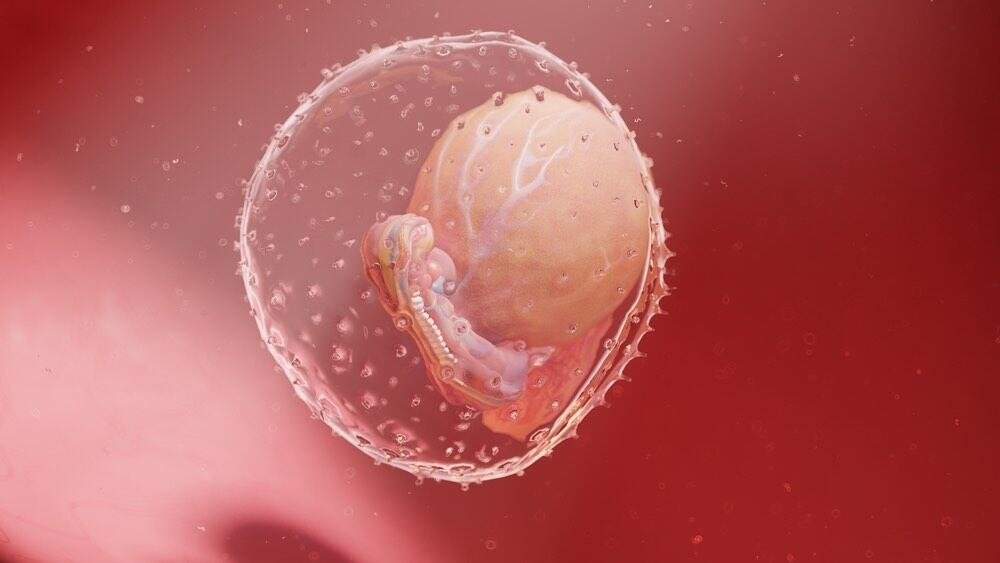
    3D illustration of a human embryo at 4 weeks during first trimester pregnancy
    3d rendered illustration of a human embryo – week 4

    At 4 weeks pregnant, the fertilized egg has implanted into the uterine lining. This tiny cluster of cells is now called a blastocyst, and it’s about the size of a poppy seed.

    In this early stage of first trimester pregnancy, the embryo starts to form two major structures:

    • The embryoblast, which will become the baby
    • The trophoblast, which will later develop into the placenta

    You might start experiencing mild cramping, spotting (known as implantation bleeding), or no symptoms at all. Some women notice a missed period and take their first pregnancy test around this time. If positive, it’s usually because the hormone hCG has started to rise in your bloodstream and urine.

    Internally, the foundations of your baby’s brain, heart, and spinal cord are beginning to take shape. It’s truly the beginning of everything.


    First Trimester Pregnancy: 5 Weeks

    At 5 weeks, your pregnancy becomes more biologically active—and so do your symptoms. You may now experience stronger fatigue, tender or swollen breasts, mood swings, and possibly the first waves of morning sickness. For many, this is when pregnancy starts to feel “real.”

    The embryo is now about the size of a sesame seed, and it’s beginning to grow rapidly. Major organ systems are starting to form, and a tiny neural tube is developing—this will eventually become your baby’s brain and spinal cord. It’s why folic acid is so crucial during this stage.

    A primitive heart tube also begins to beat, although it’s not yet fully formed. If you were to see an ultrasound now, the embryo would still look like a small curved shape—but the foundations of life are well underway.


    First Trimester Pregnancy: 6 Weeks

    At 6 weeks, your baby has doubled in size and now measures around 5 to 6 mm—about the size of a lentil. One of the most exciting developments this week is the appearance of a tiny, flickering heartbeat, which might be detectable via a transvaginal ultrasound.

    The embryo’s shape is becoming more defined, with small bumps that will form the arms and legs. Inside, the brain and spinal cord are growing rapidly. Facial features are starting to form too, including early eye pits and nostrils.

    For you, pregnancy hormones are peaking, especially hCG and progesterone. You might notice increased nausea, food aversions, and emotional ups and downs. Spotting can still be normal at this stage—but if it’s heavy or painful, it’s always a good idea to contact your provider.


    First Trimester Pregnancy: 7 Weeks

    By 7 weeks, the embryo has grown to the size of a blueberry—about 10 mm in length. The most exciting development this week is that your baby now has a beating heart with a more regular rhythm, and the basic structure of the brain is becoming more complex.

    Tiny buds that will become arms and legs are starting to lengthen and flatten. Small black dots mark the places where the eyes and nostrils are forming, and ears are beginning to take shape on the sides of the head.

    As for you, symptoms may intensify. Nausea, vomiting, and extreme fatigue are common due to the high levels of hCG. You may also notice food aversions, extra saliva, and even a heightened sense of smell.

    This week marks a critical period in fetal development, as organs are beginning to specialize and cells are dividing rapidly. This is why avoiding alcohol, smoking, and certain medications is more important than ever.


    First Trimester Pregnancy: 8 Weeks

    3d rendered medical illustration of cardiovascular system of 8 week old embryo

    At 8 weeks pregnant, your baby is now the size of a raspberry, measuring around 14–16 mm in length. The embryo now officially becomes a fetus—a word that means “offspring” in Latin.

    This week, fingers and toes begin to form from the paddle-like hand and foot buds. The eyelids, though fused shut, are also developing, and facial features become more distinct. Internal organs such as the liver, kidneys, and lungs are starting to organize into place, and muscles begin to form as well.

    You may feel bloated or notice your waistline expanding slightly, even if your uterus is still deep in the pelvis. Hormonal changes can also bring mood swings, frequent urination, and acne.

    This is a week of major cellular activity for your baby—and a week when many women begin their first prenatal appointment. Seeing the heartbeat on ultrasound can be a deeply emotional and affirming moment.

    First Trimester Pregnancy: 9 Weeks

    3d rendered medically accurate illustration of a fetus in week 9

    At 9 weeks, your baby is about the size of a cherry, measuring around 2.3–2.5 cm (1 inch). This stage marks a transition from an embryo to a fetus, and development continues at an astonishing pace.

    The baby’s arms and legs are growing longer and developing elbows and knees. Tiny fingers and toes are becoming more defined—no longer just webbed paddles. Facial features are taking shape too, with a more recognizable profile and the beginnings of ears, eyes, and a nose.

    Internally, the heart has developed four chambers and beats strongly. Organs like the pancreas, gallbladder, and reproductive structures are forming, though the baby’s sex won’t be distinguishable on ultrasound just yet.

    For you, hormonal surges may still cause intense fatigue, nausea, and frequent urination. Your uterus is now about the size of a grapefruit. You may also notice more visible veins, due to increased blood volume.


    First Trimester Pregnancy: 10 Weeks

    At 10 weeks, your baby is now the size of a kumquat or a small prune, measuring about 3–4 cm. All the major body structures have formed, and the fetal stage is well underway.

    The most exciting part of this week in first trimester pregnancy is that your baby begins to make small, jerky movements—although you won’t feel them just yet. Elbows and knees bend, and bones start to harden. The outer ears take their final shape, and tiny tooth buds are forming under the gums.

    Inside, vital organs like the liver, kidneys, intestines, and brain are rapidly maturing. Fingernails and toenails are beginning to grow, and the spine is more visible on ultrasound.

    As for your symptoms, nausea may peak around this time, but many women start to feel slightly better as they approach the second trimester. Your mood may stabilize, and early pregnancy bloating could start to ease.


    First Trimester Pregnancy: 11 Weeks

    At 11 weeks, your baby is about the size of a fig—around 4–5 cm long and weighing roughly 7 grams. This week marks the end of the most vulnerable phase of development. While still very small, the fetus now has fingers, toes, ears, and even tiny fingernails.

    The head still makes up nearly half of the baby’s body, but the neck is elongating, allowing more movement. The bones are starting to harden, and the baby’s body is gradually straightening out from the previously curved position.

    Internally, the diaphragm is forming, setting the stage for future breathing. The kidneys are producing small amounts of urine, and the intestines, which were developing outside the body, begin to migrate into the abdominal cavity.

    You might notice that your waistline is expanding, and some early pregnancy symptoms may begin to ease. Many women feel a sense of relief and even energy returning as they approach the second trimester.


    First Trimester Pregnancy: 12 Weeks

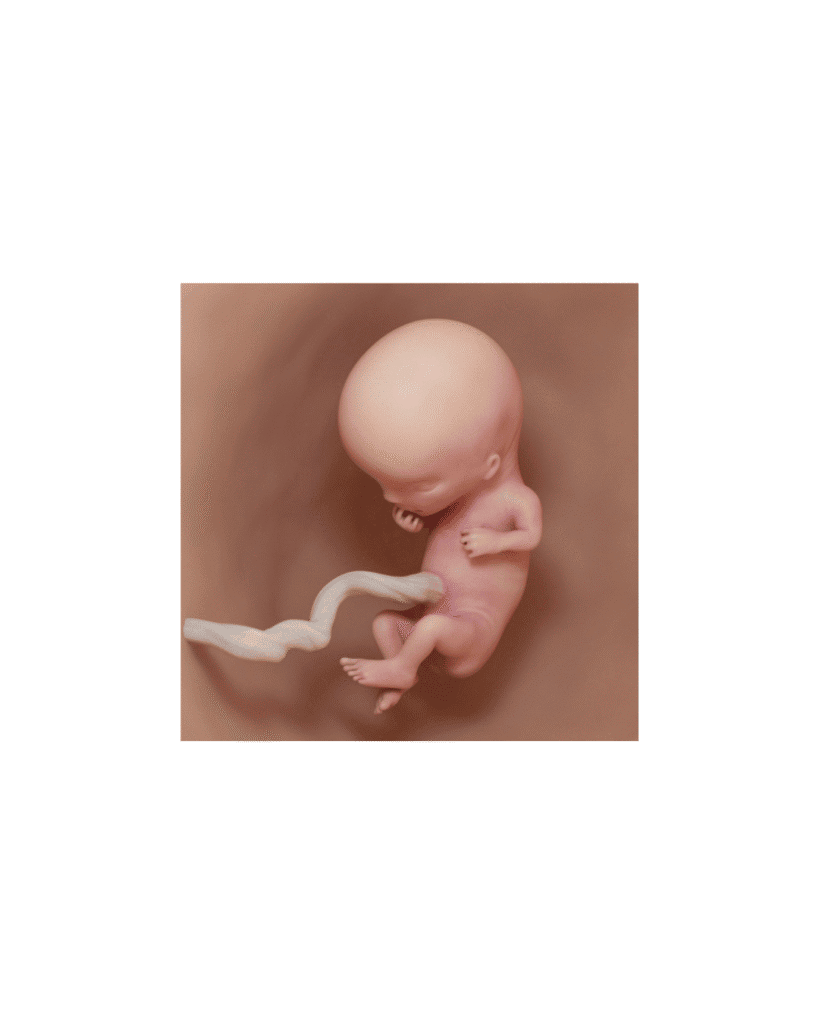
    At 12 weeks pregnant, your baby is about the size of a lime, measuring 5–6 cm in length and weighing 14–18 grams. All of the major organs and body systems are now present—just tiny and still developing.

    The reflexes begin this week! Your baby may start to move when touched, although you won’t feel it yet. Fingers can curl, and the baby may make tiny mouth movements. The brain continues to grow rapidly, and nerve connections are forming quickly.

    The face now looks much more human, with well-formed eyelids, nose, and lips. External genitalia are developing and may be distinguishable on ultrasound soon.

    For you, this week marks the end of the first trimester pregnancy. Many women feel less nauseated and more energetic, though some symptoms—like frequent urination and breast tenderness—may persist. A growing number of parents choose this time to share the news of their pregnancy with friends and family.


    First Trimester Pregnancy: Conclusion

    The first trimester of pregnancy is nothing short of miraculous. In just 12 weeks, a single fertilized cell transforms into a fetus with a beating heart, a developing brain, limbs, and facial features. For many expectant parents, this period is filled with wonder, anxiety, symptoms, and immense change.

    From a medical perspective, the first trimester pregnancy is also the most critical window for fetal development—a time when nutrition, rest, and avoiding harmful substances have lasting impact. It’s also when most pregnancy losses tend to occur, which can make this stage emotionally intense.

    Understanding what’s happening week by week helps reduce anxiety and empowers pregnant women to make informed choices. As the second trimester approaches, energy often returns, nausea tends to fade, and the joys of pregnancy begin to shine more brightly.


    First Trimester PregnancyReferences:

    1. AMERICAN COLLEGE OF OBSTETRICIANS AND GYNECOLOGISTS (ACOG). (2021). Prenatal Development: How Your Baby Grows During Pregnancy. Available at: https://www.acog.org/womens-health/faqs/how-your-fetus-grows-during-pregnancy
    2. SADLER, T. W. (2018). Langman’s Medical Embryology, 14th ed. Philadelphia: Wolters Kluwer. https://shop.lww.com/Langman-s-Medical-Embryology/p/9781496383907
    3. MOORE, K. L., PERSAUD, T. V. N., & TORCHIA, M. G. (2020). The Developing Human: Clinically Oriented Embryology, 11th ed. Philadelphia: Elsevier. https://www.elsevier.com/books/the-developing-human/moore/978-0-323-54671-9
    4. NATIONAL INSTITUTES OF HEALTH (NIH). (2023). Pregnancy Week by Week. Available at: https://www.nichd.nih.gov/health/topics/pregnancy/conditioninfo/week-by-week

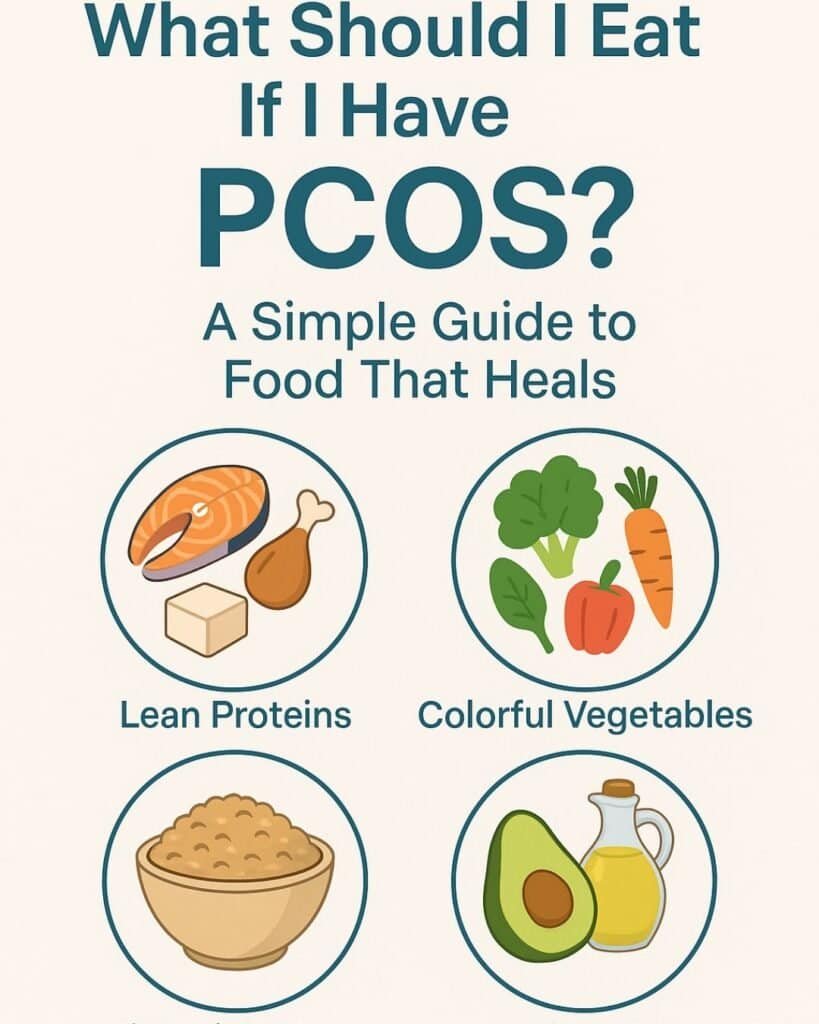
  • What Should I Eat If I Have PCOS? A Simple Guide to Food That Heals

    Diet plan for hormonal balance in PCOS

    Imagine waking up every day wondering why your body doesn’t seem to listen to you. The stubborn weight gain, the painful acne, the irregular periods—it’s not “just in your head.” For millions of women living with Polycystic Ovary Syndrome (PCOS), this daily battle is real. But here’s the good news: food can be your strongest ally.

    What Is PCOS and Why Does Diet Matter?

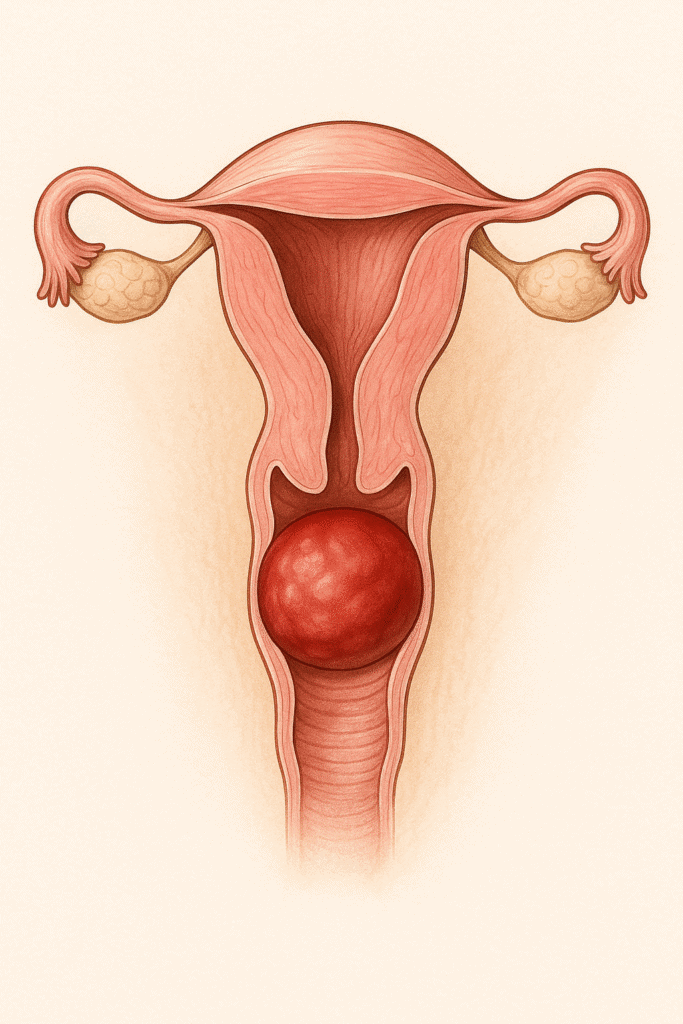
    PCOS is a hormonal condition that affects up to 1 in 10 women. It’s linked to high levels of insulin (a hormone that controls blood sugar), inflammation, and imbalances in reproductive hormones. Many women with PCOS struggle with weight gain, facial hair, infertility, or mood swings.

    Your diet can help balance hormones, lower insulin levels, reduce inflammation, and ease symptoms. It’s not about perfection—it’s about small choices that add up.

    Top Foods to Help Manage PCOS

    • Lean Proteins:

      Think chicken, fish, turkey, tofu. Protein helps keep you full and stabilizes blood sugar.
    • High-Fiber Carbs:

      Whole grains like oats, quinoa, and brown rice slow down sugar spikes, preventing energy crashes.
    • Colorful Vegetables:

      Broccoli, spinach, kale, and bell peppers are loaded with antioxidants and fiber to fight inflammation.
    • Healthy Fats:

      Avocados, olive oil, nuts, and seeds help balance hormones and improve cholesterol.
    • Low-Glycemic Fruits:

      Berries, apples, pears—these won’t spike your blood sugar as quickly as tropical fruits.

    PCOS: Foods to Limit (But Not Fear)

    You don’t have to cut out everything you love. But reducing sugary drinks, white bread, and processed snacks can make a big difference. Instead of thinking “I can’t have this,” ask, “What’s a better choice for me today?”

    Can Supplements Help Women Struggling with PCCOS?

    Studies show that inositol may improve insulin sensitivity and restore ovulation. Some doctors also recommend vitamin D if your levels are low, since it’s often deficient in women with PCOS. Always talk to your doctor before starting supplements.

    PCOS Is Not Just About Weight

    While many are told to lose weight, not every woman with PCOS is overweight. And weight loss isn’t the only marker of success. Even small improvements in diet and activity can lower inflammation and improve fertility.

    “I started focusing less on the scale and more on how I felt. Within months, my periods returned and my skin started clearing up.”

    Emotional Impact in PCOS Matters Too

    PCOS isn’t just a physical condition—it affects confidence, relationships, and mental health. Don’t be afraid to ask for help if you feel overwhelmed. Nutrition, therapy, movement, and medical care all play a role.

    PCOS: Your Journey, Your Pace

    There’s no perfect PCOS diet. Some women do well with Mediterranean-style eating; others with low-carb or plant-based approaches. Listen to your body, stay patient, and celebrate every small win.

    Want more support? Visit vittafemme.com for resources, real stories, and expert tips.

    References :

    1. Shahmoradi, L. et al. Nutritional management recommendation systems in polycystic ovary syndrome: a systematic review. BMC Women’s Health, 2024; 24(234):1-26. DOI: https://doi.org/10.1186/s12905-024-03074-3.
    2. Almhmoud, H. et al. Polycystic ovary syndrome and its multidimensional impacts on women’s mental health: a narrative review. Medicine (Baltimore), 2024; 103(25):e38647. DOI: http://dx.doi.org/10.1097/MD.0000000000038647.
    3. Fitz, V. et al. Inositol for Polycystic Ovary Syndrome: A systematic review and meta-analysis. J Clin Endocrinol Metab, 2024; 109(6):1630-1655. DOI: https://doi.org/10.1210/clinem/dgad762.
    4. Katyal, G. et al. Systematic review of the roles of inositol and vitamin D in improving fertility among patients with polycystic ovary syndrome. Clin Exp Reprod Med, 2024; 51(3):181-191. DOI: https://doi.org/10.5653/cerm.2023.06485.
    5. Han, Y. et al. Dietary supplements in polycystic ovary syndrome–current evidence. Front Endocrinol, 2024; 15:1456571. DOI: https://doi.org/10.3389/fendo.2024.1456571.
    6. Mimouni, N. E. H. & Giacobini, P. Polycystic ovary syndrome: progress towards a better understanding and treatment. Comptes Rendus Biologies, 2024; 347:19-25. DOI: https://doi.org/10.5802/crbiol.147.

    Disclaimer: This article is for educational purposes only and does not replace medical advice. Always consult your healthcare provider for personalized guidance.

  • Egg Freezing : Who Should Consider It and How It Works

    Egg freezing explained: Cryopreservation tank for egg freezing with numbered labels

    Egg Freezing Explained

    Egg freezing has become a powerful option for women who want to preserve their fertility for the future. Whether it’s due to career plans, medical reasons, or personal choice, understanding who should consider it — and how the process works — is essential. Let’s break it down.

    You wake up in your 30s or 40s, wondering: will I still be able to have a baby when I’m ready? Maybe you’re focused on your career, or still waiting for the right partner. Or maybe life just hasn’t followed the timeline you imagined. And the clock? It’s ticking louder every year.

    But what if you could press pause? Egg freezing—also known as oocyte cryopreservation—offers women the chance to preserve their fertility, giving hope and options for the future. It’s no longer an experimental procedure; it’s an empowering choice backed by science.

    Egg Freezing Explained:Who Should Consider it?

    Egg freezing isn’t just for celebrities or influencers. It’s for every woman who wants more time and control over her reproductive choices. Here’s who might benefit the most:

    • Women delaying pregnancy for personal or career reasons: If you’re focused on education, building a career, or haven’t met the right partner, freezing your eggs before 35 preserves better-quality eggs for the future.
    • Women facing medical treatments that threaten fertility: Chemotherapy, radiation, or ovarian surgery can damage your egg reserve. Freezing eggs beforehand offers a safeguard.
    • Women with endometriosis or family history of early menopause: These conditions may accelerate fertility decline. Egg freezing keeps doors open later.
    • Women undergoing IVF but wanting flexibility: Some women prefer freezing eggs instead of embryos, avoiding legal or ethical issues linked to embryo storage.

    Egg Freezing Explained: How Does it Work?

    The process may sound intimidating, but advances in technology have made it smoother and more effective. Here’s a step-by-step breakdown:

    1. Ovarian Stimulation: You’ll take hormone injections for 10–14 days to stimulate multiple eggs. Doctors monitor you via ultrasound and blood tests.
    2. Egg Retrieval: When the eggs are mature, a minor procedure retrieves them using a thin needle under light sedation.
    3. Freezing: The eggs are flash-frozen through vitrification—a rapid method that prevents ice crystals and improves survival rates.
    4. Storage: Frozen eggs are kept in liquid nitrogen at -196°C. They can remain stored for years, though most clinics recommend using them within 10–15 years.

    Egg Freezing Explained Success Rates: What Are the Chances?

    One question women ask: “How many eggs do I need to freeze?” The answer depends largely on your age:

    • Under 35: Freeze 10–15 eggs for a strong chance of 1 live birth.
    • 35–37: Freeze 15–20 eggs.
    • 38–40: Freeze 20–30 eggs.
    • Over 40: Freeze 30+ eggs—but understand success rates drop significantly after 40.

    Each egg’s chance of resulting in a live birth declines with age. Freezing before 35 offers the highest success, as younger eggs have better quality and survival after freezing, thawing, and fertilization.

    Egg Freezing Explained – Costs: Is Egg Freezing Affordable?

    Cost is a major consideration. Prices vary by country and clinic:

    CountryAverage Cost per Cycle (USD)
    United States$6,000 – $15,000
    UK$5,000 – $8,000
    Canada$8,000 – $12,000
    Brazil$3,000 – $5,000
    India$2,000 – $4,000

    Storage fees add $300–$1,000 per year. Some employers now cover egg freezing as a benefit, so check your insurance or HR policies.

    Egg Freezing Explained – Risks and Limitations

    While egg freezing offers hope, it’s not a guarantee. Key risks include:

    • Ovarian Hyperstimulation Syndrome (OHSS): Hormonal treatment may cause bloating, nausea, or discomfort. Severe cases are rare.
    • Egg Survival Rate: Not all eggs survive freezing and thawing; survival rates range 80–90% with vitrification.
    • No Guarantee of Pregnancy: Even with many frozen eggs, pregnancy depends on egg quality, sperm quality, and uterine health.

    Egg Freezing ExplainedEgg vs. Embryo Freezing: Which is Better?

    Both options have pros and cons:

    • Egg freezing: Ideal for single women or those wanting flexibility. Avoids legal/ethical issues around embryos.
    • Embryo freezing: Offers slightly higher live birth rates but requires sperm and is less flexible for single women.

    Egg Freezing Explained – Final Thoughts

    Egg freezing isn’t just a medical procedure—it’s an emotional, financial, and personal decision. It offers peace of mind, but it’s not a guarantee. The earlier you freeze, the better your chances. Talk to a fertility specialist to explore your ovarian reserve and personal goals.

    For many women, freezing eggs represents more than biology—it’s about keeping dreams alive, even when life’s timeline shifts.

    This article is for informational purposes only and does not replace medical advice. Consult a healthcare professional for personalized guidance.

    Egg Freezing Explained – References

    1. Cardim, H.J.P. Vencendo a Dificuldade de Engravidar. Editora Pensamento-Cultrix Ltda, 2009.
    2. Practice Committee of the ASRM. “Egg Freezing Guidelines.” Fertility and Sterility, 2022. DOI: 10.1016/j.fertnstert.2022.01.016
    3. ESHRE (European Society of Human Reproduction and Embryology). “Oocyte Cryopreservation: Success Rates and Recommendations.” Human Reproduction Update, 2023. Available at: https://academic.oup.com/humupd/article/29/4/455/7191461
    4. Cobo, A.; Garcia-Velasco, J. “Oocyte Cryopreservation for Age-Related Fertility Decline.” Journal of Assisted Reproduction and Genetics, 2022. DOI: 10.1007/s10815-022-02591-9
    5. Smith, R.; Kilani, S. “Long-Term Outcomes of Egg Freezing: A Systematic Review.” Human Reproduction, 2023. Available at: https://doi.org/10.1093/humrep/dead123
  • Understanding Sudden Infant Death Syndrome (SIDS): Safe Sleep Practices for Your Baby

    Baby sleeping safely on back in a crib to prevent SIDS

    Sudden Infant Death Syndrome (SIDS) is a heartbreaking and unexplained phenomenon where an apparently healthy baby dies during sleep. While the exact cause remains unknown, research has identified several risk factors and preventive measures that can significantly reduce the likelihood of SIDS. This article aims to provide parents and caregivers with essential information on SIDS and practical steps to create a safe sleep environment for infants.

    What is SIDS?

    SIDS refers to the sudden and unexplained death of an infant under one year of age, typically occurring during sleep. Despite thorough investigations, including autopsies and reviews of medical histories, no definitive cause is found in these cases. SIDS is also known as “crib death” due to its occurrence during sleep in a crib or bassinet.

    Risk Factors

    Several factors have been linked to an increased risk of SIDS:

    • Sleep Position: Placing a baby to sleep on their stomach or side increases the risk compared to the back-sleeping position.
    • Sleep Environment: Soft bedding, pillows, and stuffed animals in the crib can pose suffocation hazards.
    • Maternal Factors: Smoking during pregnancy, young maternal age, and inadequate prenatal care are associated with higher SIDS risk.
    • Premature Birth: Babies born prematurely or with low birth weight have a higher susceptibility.
    • Overheating: Excessive clothing or high room temperatures can increase the risk.

    Safe Sleep Practices to Reduce SIDS Risk

    Implementing the following guidelines can help create a safer sleep environment for your baby:

    • Back to Sleep: Always place your baby on their back for naps and nighttime sleep.
    • Firm Sleep Surface: Use a firm mattress with a fitted sheet in a safety-approved crib or bassinet.
    • Keep the Crib Bare: Avoid placing soft objects, toys, or loose bedding in the crib.
    • Room Sharing: Keep your baby’s sleep area in the same room where you sleep for at least the first six months.
    • Pacifier Use: Offering a pacifier at nap time and bedtime may reduce the risk of SIDS.
    • Temperature Control: Dress your baby appropriately for the room temperature to avoid overheating.
    • Avoid Smoking: Maintain a smoke-free environment during pregnancy and after birth.

    Common Myths and Misconceptions About

    It’s essential to address and dispel common myths about infant sleep:

    • Myth: Babies are more comfortable sleeping on their stomachs.
      Fact: Back-sleeping is the safest position and does not increase the risk of choking.
    • Myth: Using sleep positioners can prevent SIDS.
      Fact: Sleep positioners are not recommended and can pose suffocation hazards.
    • Myth: Co-sleeping is safe and promotes bonding.
      Fact: Sharing a bed increases the risk of SIDS; room-sharing without bed-sharing is safer.

    Emotional Support for Parents

    Understanding and implementing safe sleep practices can be overwhelming for new parents. It’s important to seek support from healthcare providers, parenting groups, and trusted resources. Remember, taking proactive steps to ensure your baby’s safety is a significant and commendable effort.

    Conclusion

    While SIDS remains a tragic and unexplained occurrence, adopting recommended safe sleep practices can significantly reduce the risk. By staying informed and vigilant, parents and caregivers can create a secure sleep environment that promotes the health and well-being of their infants.

    References

    1. AMERICAN ACADEMY OF PEDIATRICS. Task Force on Sudden Infant Death Syndrome. SIDS and Other Sleep-Related Infant Deaths: Updated 2016 Recommendations for a Safe Infant Sleeping Environment. Pediatrics, v. 138, n. 5, p. e20162938, 2016.
    2. CENTERS FOR DISEASE CONTROL AND PREVENTION. Providing Care for Babies to Sleep Safely. Available at: https://www.cdc.gov/sudden-infant-death/sleep-safely/index.html. Accessed on: May 6, 2025.
    3. NATIONAL INSTITUTE OF CHILD HEALTH AND HUMAN DEVELOPMENT. Safe Sleep Environment. Available at: https://safetosleep.nichd.nih.gov/reduce-risk/safe-sleep-environment. Accessed on: May 6, 2025.
    4. MAYO CLINIC. Sudden infant death syndrome (SIDS) – Symptoms and causes. Available at: https://www.mayoclinic.org/diseases-conditions/sudden-infant-death-syndrome/symptoms-causes/syc-20352800. Accessed on: May 6, 2025.
    5. HEALTHYCHILDREN.ORG. How to Keep Your Sleeping Baby Safe: AAP Policy Explained. Available at: https://www.healthychildren.org/English/ages-stages/baby/sleep/Pages/a-parents-guide-to-safe-sleep.aspx. Accessed on: May 6, 2025.

  • When Endometriosis Hides in Unusual Places: A Story of a Vaginal Mass

    Illustration of hidden endometriosis as a vaginal mass inside the female reproductive system

    Hidden Endometriosis: Imagine living your life without pain, with regular cycles, and no signs of trouble — until one day, you notice a small lump. That was the reality for a 37-year-old woman who walked into a gynecology clinic thinking she had a simple cyst. But what doctors discovered was something much rarer: endometriosis presenting as a vaginal mass.

    Most people think of endometriosis as a condition that causes pelvic pain, heavy periods, or infertility. But sometimes, it hides in the most unexpected places, causing unusual symptoms that can delay diagnosis.

    Endometriosis is often described as a condition that hides in plain sight. While many women experience painful periods and pelvic discomfort, some carry a more elusive version of the disease — one that defies expectations and challenges diagnosis. This is the reality of hidden endometriosis.

    In most cases, endometriosis is found on the ovaries, fallopian tubes, or pelvic peritoneum. But in rare and surprising scenarios, it can implant in locations far beyond — even in the vaginal wall, abdominal muscles, or distant organs. When this happens, symptoms often don’t match what doctors typically look for, and imaging may offer little help. Women are left with unanswered questions, misdiagnoses, and years of unnecessary suffering.

    In this real and striking case, a woman experienced pain during sex and an unusual sensation of pelvic pressure. No one suspected what was really going on — not until surgery revealed endometrial tissue growing inside her vaginal wall. This discovery not only brought her long-awaited answers, but also highlighted a crucial medical truth: hidden endometriosis can be silent, but not harmless.

    During the operation, they found a cyst containing “chocolate-colored” fluid — a telltale sign of endometriosis. Pathology confirmed: it was an endometriotic cyst in the vaginal wall.

    The woman recovered well after surgery and remained symptom-free three months later.

    Her journey matters. And by sharing it, we hope to raise awareness, shorten diagnostic delays, and give voice to the women whose pain deserves to be taken seriously.

    Hidden Endometriosis: Why is this case important?

    Because endometriosis is often thought of as a pelvic disease, many don’t realize it can appear outside the uterus, even in the vagina — a location reported in only 0.02% of endometriosis cases.

    Doctors usually suspect other conditions when facing a vaginal mass: Gartner’s cyst, urethral diverticulum, Skene’s gland cyst, Bartholin’s cyst, or even a tumor. Endometriosis is rarely on the list.

    That’s why diagnosis often depends on surgical removal and histology (examining tissue under a microscope).

    What does this mean for women?

    If you’ve been diagnosed with endometriosis, or have unexplained pelvic symptoms, remember:
    endometriosis can be sneaky. It can hide in scars, on the bowel, bladder, even in the lungs — and in rare cases, in the vaginal wall.

    Early recognition and treatment can improve quality of life. In this woman’s case, a small mass caused growing discomfort and affected intimacy. Surgery resolved her symptoms.

    Takeaway message

    If you notice a lump, discomfort, or unusual symptoms in your intimate area — seek medical advice. Not every lump is dangerous, but every lump deserves attention.

    Endometriosis may be more common than we think — and sometimes, it hides in the most unexpected places.

    References

    1. Nelson P. Endometriosis presenting as a vaginal mass. BMJ Case Rep. 2018;2017:bcr-2017-222431.
      https://doi.org/10.1136/bcr-2017-222431
    2. Giudice LC. Endometriosis. N Engl J Med. 2010;362(25):2389-2398.
      https://doi.org/10.1056/NEJMcp1000274
    3. Vercellini P, Vigano P, Somigliana E, Fedele L. Endometriosis: pathogenesis and treatment. Nat Rev Endocrinol. 2014;10(5):261-275.
      https://doi.org/10.1038/nrendo.2013.255
    4. Kennedy S, Bergqvist A, Chapron C, et al. ESHRE guideline for the diagnosis and treatment of endometriosis. Hum Reprod. 2005;20(10):2698-2704.
      https://doi.org/10.1093/humrep/dei135
    5. Redwine DB. Was Sampson wrong? Fertil Steril. 2002;78(4):686-693.
      https://doi.org/10.1016/S0015-0282(02)03356-5

    This content is for educational purposes only and does not replace professional medical advice. Always consult your healthcare provider.

  • Your Baby’s Silent Clues: How to Spot Early Signs of Autism and Why Acting Early Matters

    Baby showing limited facial expression while focused on toy, one of the  early signs of autism

    Signs of autism in babies: Every mother dreams of the day her baby looks into her eyes and smiles back. That magical moment of connection—a glance, a giggle, a first word—feels like a promise of all the beautiful milestones ahead. But what if those moments don’t come as expected?

    It’s natural for babies to develop at their own pace. Yet, sometimes, subtle signs in the first months and years could be whispering a message many parents aren’t prepared to hear: your baby might be showing early signs of autism.

    This isn’t about placing labels or fears. It’s about empowering you with knowledge. Knowing what to watch for could mean giving your child the chance to grow with more support, more tools, and more hope.

    What Is Autism?

    Autism Spectrum Disorder (ASD) is a neurodevelopmental condition that affects how a child communicates, interacts socially, and experiences the world around them. It’s called a “spectrum” because it looks different in every child—some may speak, some may not; some may make eye contact, others may avoid it.

    Most diagnoses happen around 2-4 years old. But research shows that signs can appear much earlier—sometimes as early as a few months old .

    The earlier we notice, the earlier we can help.


    The Early Signs of Autism in Babies You Might Not Notice

    Imagine you’re trying to read a map in a foreign language. That’s how confusing early autism signs can feel. They’re not always obvious. But they matter.

    Here’s what experts suggest parents keep an eye on:

    1. Lack of eye contact: If your baby doesn’t seem interested in faces or avoids looking into your eyes during feeding or play.
    2. Not responding to name: By 6-9 months, babies usually turn when you call their name. If they don’t, it might be worth exploring why.
    3. No big smiles or joyful expressions by 6 months: Babies love to smile. A lack of social smiling can be a red flag.
    4. Limited babbling by 12 months: No “ba-ba,” “da-da,” or similar sounds could indicate a delay in communication development.
    5. Not pointing or gesturing by 12-14 months: Babies point to show interest. If yours doesn’t, it might be a sign of social communication challenges.
    6. Repetitive movements: Flapping hands, rocking, spinning objects repeatedly. These movements can be soothing for some children with autism.
    7. Extreme reactions to sensory input: Very sensitive to sounds, lights, textures—or not reacting at all.
    8. Regression: A baby who was talking or waving but suddenly stops.

    Not every baby who shows one or two of these signs has autism. But trust your intuition. If you notice more than one, or if something feels “off” to you, it’s time to talk to your pediatrician.


    Why Early Detection of Signs of Autism Changes Everything

    Some parents worry: “Maybe they’ll grow out of it.” And while it’s true every child develops at their own rhythm, early intervention can transform a child’s future.

    Studies show that children who receive help before age 3 develop better language skills, improved social interactions, and greater independence .

    One mom, Ana, shared:

    “When my son was diagnosed at 2, I felt lost. But looking back, I wish I’d asked sooner. Starting therapy at 18 months could have helped him talk earlier. I didn’t know the signs.”

    That’s why this conversation matters. Early doesn’t mean rushing into labels—it means opening doors to support.


    How to Talk to Your Pediatrician about Signs of Autism

    Feeling nervous about bringing up autism? You’re not alone. But pediatricians are trained to listen.

    Here’s how you can prepare for the visit:

    • Write down specific examples of what you’re observing.
    • Share videos if possible (for example, showing no response to name or lack of gestures).
    • Ask about developmental screenings or tools like M-CHAT (Modified Checklist for Autism in Toddlers).

    Remember: asking questions isn’t accusing—it’s advocating.


    Overcoming the Fear and Stigma

    Many families hesitate to explore autism because of fear, denial, or stigma. In some cultures, seeking a diagnosis feels like accepting blame or shame.

    But knowing earlier doesn’t change who your child is. It simply helps you understand how they experience the world—and how you can guide them through it.

    Your child isn’t broken. They’re unique. They see, hear, and feel differently. And with your love and support, they can thrive in ways you never imagined.


    You Are Not Alone

    If you’re reading this and feeling overwhelmed, take a deep breath. Thousands of parents have stood where you’re standing. And they’ve found communities, resources, and joy in their parenting journey.

    Ask. Reach out. Keep going.

    You are your child’s strongest advocate. By noticing, asking, and acting—you’re already making a difference.


    When to Seek Help

    If your baby shows multiple signs, or if milestones feel delayed, don’t wait for the next check-up. Book an appointment.

    The earlier you ask, the more options you’ll have. Pediatricians can refer you to specialists, speech therapists, developmental psychologists, and early intervention programs.

    Every step you take now builds a bridge for your child’s future.


    Final Words: Trust Yourself

    Parenting doesn’t come with a crystal ball. But your heart already knows when something needs attention.

    If you’re wondering, questioning, observing—trust yourself enough to speak up.

    Because love doesn’t wait. And neither should we.


    References

    AL-BELTAGI, M. Pre-autism: What a paediatrician should know about early diagnosis of autism. World Journal of Clinical Pediatrics, v. 12, n. 5, p. 273-294, 2023. DOI: https://dx.doi.org/10.5409/wjcp.v12.i5.273.

    ZWAIGENBAUM, L. et al. Early Screening of Autism Spectrum Disorder: Recommendations for Practice and Research. Pediatrics, v. 136 Suppl 1, p. S41-S59, 2015. DOI: https://doi.org/10.1542/peds.2014-3667D.

    JONES, W.; KLIN, A. Attention to eyes is present but in decline in 2–6-month-old infants later diagnosed with autism. Nature, v. 504, p. 427-431, 2013. DOI: https://doi.org/10.1038/nature12715.

  • Colic, Gas, Crying: What Worked for Me (And Might Work for You)

    Published on: May 3, 2025

    Baby colic: Crying baby showing signs of colic and gas while being held by parent

    Baby colic and gas : If you’re a parent holding a crying newborn at 2 a.m., wondering what’s wrong, know this: you’re not alone. Infant colic affects up to 40% of babies, causing intense, unexplained crying that can last for hours—usually peaking in the first 3 months of life.

    All babies cry. But some cry a lot — for hours, sometimes for no clear reason. If you’re holding your baby in the middle of the night, feeling helpless while they clench their fists and pull their legs, you’re not alone. It could be normal gas. But it could also be colic — or a sign that something else is going on.

    Baby colic and gas are incredibly common in newborns. They’re part of the adjustment as your baby’s digestive system matures. But as a parent, it’s hard to know when to stay calm and when to worry. How do you tell the difference between normal discomfort and something that needs medical attention?

    This article will help you understand the basics: what causes colic and gas, what symptoms are typical, and when you should contact your pediatrician. You’ll also get simple, evidence-based tips for soothing your baby and taking care of yourself in the process.

    Let’s break down the 5 warning signs that your baby’s discomfort might be more than just gas — and what you can do about it, starting today.

    What Is Baby Colic?

    Colic is traditionally defined as crying for more than 3 hours a day, at least 3 days a week, for 3 consecutive weeks in an otherwise healthy infant (StatPearls, 2023).

    Possible Causes

    • Immature digestive system
    • Gut microbiota imbalance
    • Food intolerances or allergies
    • Overfeeding or underfeeding
    • Gastroesophageal reflux
    • Overstimulation from the environment

    The reassuring news? Colic usually resolves on its own by 3–4 months of age.

    What Actually Helped Baby Colic(From One Mom to Another)

    1. Baby Massage

    Gentle clockwise tummy massages made a noticeable difference. I’d warm my hands first and softly press in circular motions to help trapped gas pass.

    2. Warm Baths

    Giving my baby a warm bath during her usual “witching hour” seemed to soothe her body and calm her crying episodes.

    3. Probiotics

    Adding Lactobacillus reuteri drops, as recommended by our pediatrician, reduced crying time over a few weeks (American Family Physician, 2015).

    4. Feeding Adjustments

    Ensuring she burped after every feed—and not overfeeding—helped prevent excess gas buildup.

    5. White Noise

    Playing gentle white noise mimicked the womb and helped her settle faster during crying spells.

    6. Swaddling and Gentle Rocking

    Swaddling securely (but safely) combined with rhythmic rocking calmed her nerves and seemed to shorten episodes.

    7. Maternal Diet Changes (If Breastfeeding)

    I trialed eliminating dairy for two weeks, which appeared to reduce her discomfort—though the evidence is mixed (PubMed, 2013).

    Things That Didn’t Work (But Might for You)

    I tried gripe water, gas drops, and herbal teas—with little success. But many parents report positive results, so it’s worth discussing with your pediatrician.

    When to Seek Medical Advice

    While colic is common and harmless, excessive crying can sometimes mask other issues. Contact your healthcare provider if your baby has:

    • Fever
    • Vomiting (especially green or forceful)
    • Blood in stool
    • Poor feeding or weight gain
    • Lethargy or reduced responsiveness

    Your instincts as a parent matter. If something feels off, trust them.

    The Emotional Toll of Baby Colic

    No one warns you how hard it is to hear your baby cry inconsolably. Research shows that infant colic can increase parental stress, anxiety, and even risk of postpartum depression (BMC Pediatrics, 2019).

    If you find yourself overwhelmed, angry, or hopeless—put the baby down safely in the crib and take a break. Call a partner, friend, or hotline. You matter too.

    Takeaways

    There’s no perfect cure for colic. What worked for me might not work for you—and that’s okay. This phase is tough but temporary. You’re not failing; you’re surviving.

    Above all: ask for help. Let others cook, clean, hold the baby so you can nap. Caring for a crying newborn takes a village—and you deserve support.

    Want more guidance? Visit vittafemme.com for evidence-based articles and listen to our podcast for real stories from parents like you.

    Disclaimer: This article is for educational purposes only and does not substitute medical advice. Always consult your pediatrician for concerns about your baby’s health.

    References :

    1. StatPearls. Infantile Colic. In: StatPearls [Internet]. Treasure Island (FL): StatPearls Publishing; 2023.
      https://www.ncbi.nlm.nih.gov/books/NBK519512/
    2. American Family Physician. Infantile Colic: A Clinical Review. Am Fam Physician. 2015;92(7):577–582.
      https://www.aafp.org/pubs/afp/issues/2015/1001/p577.html
    3. Szatkowski A, Kandel R. Maternal hypoallergenic diet for treating infantile colic. Pediatrics. 2013;131(6):e1572–e1580.
      https://doi.org/10.1542/peds.2012-1795
    4. Olsen AL, Reeder MR, Magnusson BM. Impact of infantile colic on parental stress and depression. BMC Pediatr. 2019;19:1422.
      https://doi.org/10.1186/s12887-019-1512-2