Author: contact@vittafemme.com

  • Endometriosis and Fertility: What You Need to Know

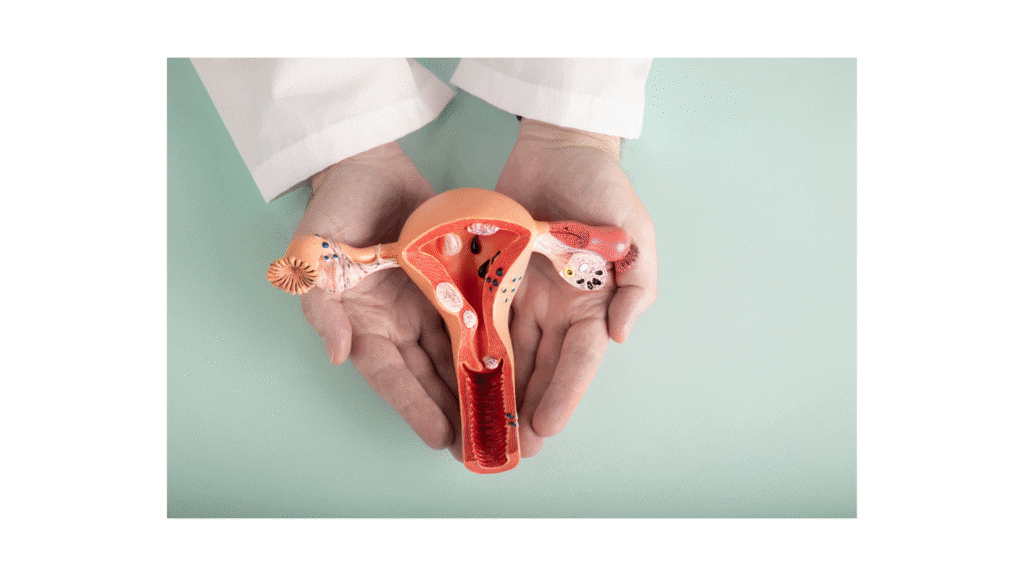
    Medical model of the female reproductive system held in hands—illustrating the impact of endometriosis and fertility.

    Endometriosis and Fertility: 1 Silent Journey, 1 Hopeful Answer

    By Dr. Pereira

    I still remember Shirley’s eyes—bright, curious, but carrying the quiet weight of a question no one had yet answered. She had been trying to get pregnant for three years. No pain, no heavy periods, no obvious signs. Just absence—of conception, of answers, of direction.

    Like many women, she never suspected endometriosis. After all, isn’t it a disease of pain? Of doubled-over cramps, missed workdays, pain during sex? But Shirley had none of that. What she did have was infertility—relentless, unexplained, and heartbreaking.

    Her case changed the way I talk about endometriosis and fertility with all my patients.

    The Hidden Link Between Endometriosis and Fertility

    Endometriosis and fertility are deeply connected, though not always in obvious ways. Endometriosis is often thought of as a painful menstrual disorder, but it can also exist silently, without symptoms, and still impact a woman’s ability to conceive.

    In Shirley’s case, it was the subtle clues that pointed me in the right direction.

    During her pelvic exam, I noted that her uterus was fixed in a retroverted position—tilted backward and seemingly stuck. It wasn’t a normal finding, and it raised my suspicion of something more complex going on.

    I ordered a transvaginal ultrasound and an MRI.

    The images revealed the truth.

    Shirley had deep endometriosis involving both ovaries—large endometriomas, adhesions, and inflammation. It had silently wrapped itself around her reproductive organs, damaging the terrain without ever raising alarm bells. She had what we call “silent endometriosis.”

    How Endometriosis Affects Fertility

    1. Inflammation Creates a Hostile Environment

    Endometriosis leads to chronic inflammation. This doesn’t just cause pain—it also changes the environment of the pelvis. The inflammatory fluid can damage eggs, sperm, and even embryos trying to implant.

    In Shirley’s case, the inflammation wasn’t felt—but it was visible on her scans. Her ovaries were surrounded by dense tissue. The environment meant to nurture life had become a barrier.

    2. Hormonal Imbalances Disrupt Ovulation

    Women with endometriosis often have elevated estrogen and resistance to progesterone. This hormonal imbalance can disrupt ovulation and make the uterus less responsive to implantation.

    Though Shirley’s cycles were regular, hormonal resistance may have made it harder for her body to support early pregnancy.

    3. Scar Tissue and Adhesions Block Natural Conception

    One of the most direct effects of endometriosis and fertility issues is physical. Scar tissue (adhesions) can block fallopian tubes or twist ovaries out of position. Endometriomas—chocolate cysts—can also damage healthy ovarian tissue and reduce egg reserve.

    Shirley had large endometriomas on both ovaries. Her ovarian reserve was lower than expected for her age. Her fallopian tubes were distorted. She wasn’t ovulating efficiently, and even if she was, the egg and sperm may never have found each other.

    4. Egg Quality Can Be Affected

    Endometriosis increases oxidative stress in the pelvic environment, which can damage eggs. Even if ovulation occurs, the quality of those eggs might be compromised, reducing the chances of fertilization or early embryo development.

    Diagnosis: The Moment That Changed Everything

    What made the difference for Shirley was timing—but also a careful exam.

    During the pelvic examination, I immediately noticed something abnormal. Her uterus wasn’t mobile—it was tilted backward, firmly adhered to deep pelvic structures. This wasn’t just a variation of normal. It was a red flag.

    Right there in my office, I performed a transvaginal ultrasound.

    There were no more doubts. Both ovaries were affected by endometriomas—large, dark cysts typical of advanced endometriosis. The ovaries were not free; they were stuck to the back of the uterus and also to loops of the bowel. The anatomy was distorted. Shirley’s case wasn’t just endometriosis—it was deep endometriosis.

    To confirm the extent, I ordered an MRI.

    The results matched exactly what we saw on ultrasound. The scan showed deep endometriosis in both uterosacral ligaments and also revealed a superficial lesion involving the bowel. Her uterus was completely fixed in retroversion, explaining the abnormal findings on exam.

    For the first time, she had a name for the years of uncertainty: endometriosis and fertility were now connected in her story.


    Treatment Options and Fertility Planning

    After confirming the diagnosis, my next step was to talk with Shirley about what this meant for her chances of becoming a mother.

    She had been trying to conceive for over three years without success. Now we knew why.

    The deep endometriosis involving both ovaries, the uterus, and even a segment of the bowel had silently affected her reproductive anatomy. The egg reserve might still be intact, but access was the issue. The inflammation, scar tissue, and endometriomas created both mechanical and biological barriers to conception.

    I explained to her that in cases like this, natural pregnancy is still possible — but much less likely.

    Given her age and how long she had already been trying, I recommended we act quickly. In-vitro fertilization (IVF) offered the highest success rate in her situation.

    IVF would allow us to bypass the blocked fallopian tubes, retrieve eggs directly from the ovaries, fertilize them in the lab, and transfer a healthy embryo into her uterus — assuming we could prepare her uterine lining and control the disease beforehand.

    But first, we needed to consider pre-IVF preparation:

    • Suppression therapy to reduce inflammation and improve implantation rates.
    • Careful monitoring of her ovarian reserve, especially due to the damage caused by the endometriomas.
    • A surgical consultation, not for aggressive removal, but for gentle separation of adhesions if they interfered with egg retrieval or embryo transfer.

    Shirley was quiet for a moment.

    Then she asked the question I hear so often: “Will I ever be a mother?”

    And the truth is — yes. Endometriosis and fertility may be linked by obstacles, but they are not mutually exclusive. With the right strategy, the right timing, and the right support, motherhood is still within reach.

    Shirley left my office that day with a clear plan and something she hadn’t felt in years — hope.

    A Path Forward: Hope, Choices, and Empowerment

    n the days that followed, Shirley began her treatment. We started hormonal therapy to calm the disease activity and prepare her body for IVF. But more importantly, we gave her back control — something endometriosis had slowly taken from her.

    She asked if pregnancy could still happen naturally.

    In some women, it can.

    If endometriosis is mild, if the fallopian tubes are open, if ovulation is regular, natural conception is absolutely possible. Many women conceive without needing IVF. But in Shirley’s case, deep infiltrating lesions, bilateral endometriomas, and three years of unsuccessful attempts all pointed toward a lower probability.

    That’s why timing matters. Age plays a crucial role. After 35, fertility declines more sharply. And every year of delay due to undiagnosed endometriosis reduces the ovarian reserve, especially when the ovaries are affected.

    Endometriosis and Fertility – What Can Be Done?

    Shirley’s story is not unique. Many women face the heartbreak of infertility without answers.

    But there are multiple treatment paths available, including:

    Treatment Options for Endometriosis And Infertility

    If you’re struggling to get pregnant, several options can help:

    1. Medications to Reduce Inflammation and Balance Hormones

    • Birth control pills, progestins, or hormone treatments can help control endometriosis symptoms.
    • However, these treatments don’t improve fertility—they’re used more for symptom relief.  

    2. Surgery to Remove Endometriosis Lesions and Scar Tissue

    • Laparoscopic surgery can remove cysts, scar tissue, and other blockages that may be interfering with pregnancy.
    • Many women see an increase in fertility after surgery, especially if their fallopian tubes are not affected​.  

    3. Fertility Treatments (IUI and IVF)

    If natural conception isn’t happening, doctors may recommend:

    • Intrauterine Insemination (IUI): A procedure where sperm is placed directly into the uterus to improve the chances of fertilization.
    • In Vitro Fertilization (IVF): A process where eggs are taken from the ovaries, fertilized with sperm in a lab, and then placed back into the uterus​.

    IVF can be especially helpful for women with moderate to severe endometriosis, as it bypasses some of the barriers caused by scarring and inflammation.

    Ways to Improve Fertility with Endometriosis

    Even if you’re not undergoing treatment, there are steps you can take to support your fertility naturally, thought they are not a treatment:

    Eat an Anti-Inflammatory Diet

    • Focus on leafy greens, omega-3-rich foods (salmon, walnuts, flaxseeds), and whole grains.
    • Avoid processed foods, sugar, and excessive dairy, which can trigger inflammation​.  

    Manage Stress

    • High stress can interfere with hormones that control ovulation.
    • Activities like yoga, meditation, and acupuncture may improve relaxation and hormonal balance​.  

    Stay Active but Avoid Overexercising

    • Moderate exercise (walking, swimming, yoga) helps reduce inflammation and supports fertility.
    • However, excessive exercise can disrupt ovulation, so it’s important to find balance.  

    Consider Supplements

    • Vitamin D, vitamin C, and antioxidants can help reduce inflammation and support reproductive health​.
    • Talk to your doctor before starting any new supplements.  

    Each plan must be personalized. Endometriosis and fertility are deeply interconnected — but no two cases are alike.

    Endometriosis And Fertility – When to See a Doctor

    If you’ve been trying to conceive for over a year (or six months if over 35), it’s time to speak to a specialist. And if you’ve ever experienced painful periods, bloating, pelvic pressure, or fatigue — don’t wait.

    In Shirley’s case, she had none of the classic signs. No menstrual pain. No sexual pain. Just the silent erosion of her reproductive capacity.

    That’s what makes endometriosis so dangerous: sometimes, it hides in plain sight.

    If I had waited longer, if I hadn’t trusted the signs her body was showing me — a fixed uterus, immobile ovaries, a backward tilt during the pelvic exam — we might have missed our window.

    But we didn’t.

    Endometriosis And Fertility -The Outcome: A New Beginning

    Months later, Shirley began her IVF cycle.

    We retrieved several eggs — fewer than ideal, but enough. One beautiful embryo was transferred successfully. The wait was agonizing.

    Then the call came.

    She was pregnant.

    It wasn’t just a medical victory. It was a triumph of timing, listening, and fighting for her chance. And when I saw her first ultrasound, tears came to her eyes — and mine too.

    Not every journey ends this way. But every woman deserves the opportunity, the answers, and the compassion to find her path.

    Endometriosis and fertility do not have to mean despair. With the right care, motherhood is still possible.

    Endometriosis And Fertility – Conclusion

    Endometriosis doesn’t mean infertility—but it can make conception more challenging. The good news is that many women with endometriosis go on to have healthy pregnancies, whether naturally or with the help of fertility treatments.

    Understanding how endometriosis affects fertility, available treatment options, and lifestyle changes can help you take control of your reproductive health and increase your chances of conceiving.

    If you’re living with endometriosis and struggling to conceive, you’re not alone — and it’s not your fault.

    Early evaluation, individualized treatment, and emotional support can change everything.

    Don’t accept pain or infertility as your destiny. Talk to a doctor. Ask questions. Get the care you deserve.

    At vittafemme.com, we’re here to guide you every step of the way.

    Endometriosis And FertilityReferences

      1. Latif, S., et al. Endometriosis and In Vitro Fertilization. Medicina 2024 .
      2. Tsuei, A., et al. Comprehensive Management of Bowel Endometriosis : Surgical Techniques, Outcomes, and Best Practices. J. Clin. Med. 2025.
      3. Dymanowska-Dyjak, I., et al. Oxidative Imbalance in Endometriosis-Related Infertility—The Therapeutic Role of Antioxidants. Int. J. Mol. Sci. 2024 .
      4. Bayu, P., et al. Vitamin C and E Antioxidant Supplementation May Significantly Reduce Pain Symptoms in Endometriosis. PLoS ONE 2024 .
      5. Chen, C., et al. Acupuncture for Clinical Improvement of Endometriosis-Related Pain: A Systematic Review and Meta-Analysis. Arch Gynecol Obstet 2024 .
    1. Managing Endometriosis Pain: Effective Strategies and Therapies

      Doctor supporting endometriosis awareness with yellow ribbon, highlighting endometriosis pain treatment

      The Emotional Toll of Endometriosis Pain

      Endometriosis pain isn’t just a physical experience—it can quietly unravel a woman’s confidence, energy, and sense of self. Many, like Julia, spend years feeling like their bodies are betraying them. They miss birthdays, cancel plans, skip work, and sometimes, question their worth.

      The emotional weight of chronic pain is heavy. Being dismissed by doctors, misunderstood by friends, or told “it’s just bad cramps” leaves deep emotional scars. Anxiety builds with each new cycle. Depression can creep in when the pain won’t stop. And isolation becomes common when others don’t see what you’re going through.

      Julia often smiled through tears. On the outside, she looked “fine.” But inside, she was breaking.

      “The hardest part wasn’t just the pain—it was pretending I wasn’t in pain all the time.”

      If you’ve ever felt that way, you’re not alone. Your pain is valid. Your story matters. And healing includes your heart and mind—not just your body.

      Endometriosis Pain: Finding Hope Through Small Daily Changes

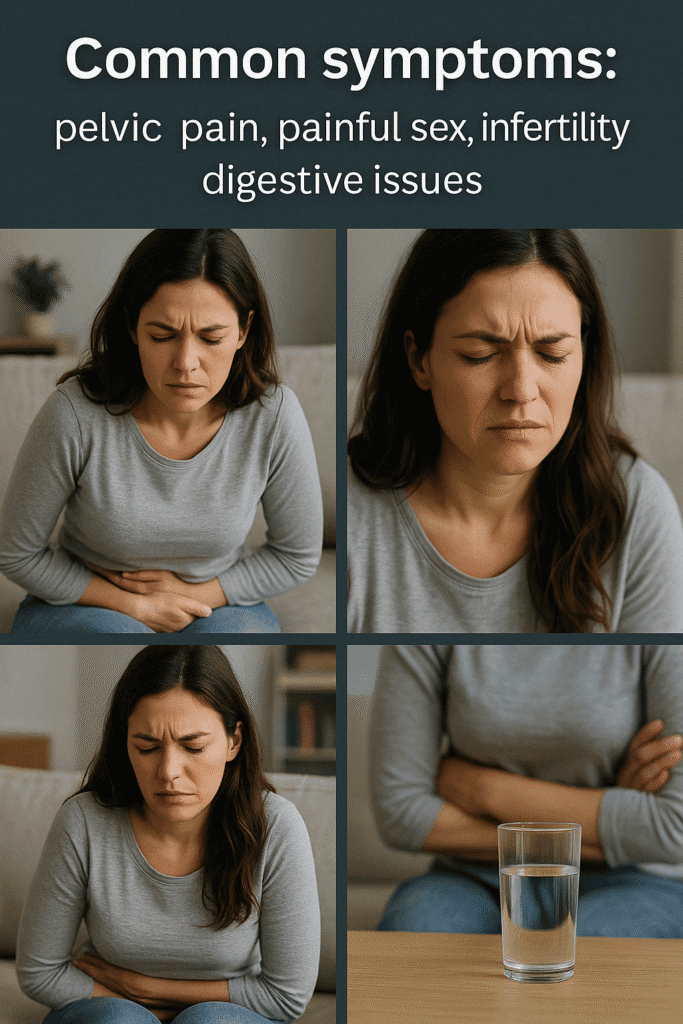
      Endometriosis pain is not just physical—it’s emotional, mental, and deeply personal. For millions of women around the world, it’s a silent weight carried through every phase of life. The stabbing cramps, aching lower back, digestive discomfort, and sheer exhaustion aren’t “just bad periods”—they’re a daily reality that can feel overwhelming and isolating.

      If you’ve been told to “just deal with it” or offered temporary relief without real answers, you’re not alone. Understanding endometriosis pain goes beyond medical jargon—it’s about connecting the dots between your symptoms, your lifestyle, and your overall health.

      One of the most overlooked areas is how food and everyday choices can influence endometriosis pain. While there’s no one-size-fits-all cure, many women have found significant relief by making simple, sustainable changes to their diet and routine.

      This guide is for you. Whether you’re newly diagnosed or have been managing this condition for years, we’ll walk through what works, what doesn’t, and how you can take control—one gentle, empowering step at a time.

      1. Medical Treatments for Endometriosis Pain Relief: Julia’s Story

      When Julia was 28, she found herself curled up in bed every month, missing work, social events, and even her sister’s wedding rehearsal. The pain wasn’t just “bad cramps.” It felt like something deeper—sharp, twisting, and relentless. Doctors dismissed her for years, handing her painkillers and sending her home. But nothing changed.

      It wasn’t until a compassionate OB-GYN finally mentioned the word endometriosis that everything started to make sense.

      Treating Endometriosis Pain: What Helped Julia (and Could Help You Too)

      Medical treatments for endometriosis pain are not about “fixing” you—they’re about reducing the intensity of symptoms and giving you your life back, one day at a time.

      Endometriosis Pain-Relieving Medications

      For Julia, the first step was learning to treat endometriosis pain early, not after it became unbearable. Over-the-counter anti-inflammatories helped a bit, but some days, she needed prescription-strength medication just to get out of bed. Starting these medications before her period began gave her a little more control.

      Hormonal Therapies

      After discussing her options, Julia began hormonal therapy—not for birth control, but to manage her endometriosis pain. There are several options, each with pros and cons:

      • Hormonal contraceptives helped regulate her cycle, which meant fewer flare-ups and more predictable pain patterns.
      • Progestin-based therapies worked to shrink the tissue growing outside the uterus. It took time, but her pain became more manageable.
      • Estrogen suppressants gave her even more relief—but came with side effects like mood changes and hot flashes, so her doctor closely monitored her.

      It’s important to know that symptoms can return once hormonal treatment stops. Julia had to find the right balance—what worked for her body, her lifestyle, and her mental health.

      Note: Symptoms can return after stopping hormonal treatments.

      2. Surgical Options for Endometriosis Pain Relief

      When Medication Isn’t Enough: Julia Faces a Bigger Decision

      Despite months of trying hormonal therapies, Julia still woke up some mornings with sharp, burning pain radiating through her pelvis and lower back. She felt like she was doing everything right—but her body wasn’t responding the way she hoped.

      That’s when her doctor gently brought up the next step: laparoscopic surgery.

      Laparoscopic Surgery: A Closer Look at Relief

      Julia was terrified at first. The idea of surgery sounded extreme. But her doctor explained that laparoscopy is a minimally invasive procedure—tiny incisions, tiny cameras, and expert hands working to remove the endometriosis tissue and scar formations that medications couldn’t reach.

      For Julia, the procedure revealed something shocking: endometriosis had wrapped around parts of her bowel and bladder. No wonder she had struggled for so long. The surgeon carefully removed the lesions, and for the first time in years, Julia woke up with a real sense of relief.

      Laparoscopic surgery isn’t a cure, but it gave her a fresh start. Her periods became more manageable. Her fatigue eased. She laughed more. She danced again.

      “I didn’t realize how much pain I had normalized… until I wasn’t in pain anymore.” —Julia

      When Hope Fades: Considering a Hysterectomy

      Years later, the pain started creeping back. Not as intense, but enough to disrupt her sleep and affect her daily life. She was older now. She had made peace with not having children. So when her doctor brought up hysterectomy, she didn’t shut down the idea—but she asked questions.

      A hysterectomy removes the uterus, and in some cases, the ovaries too. For women with severe, treatment-resistant endometriosis, it can reduce or even eliminate certain types of pain. But it’s not always a cure—especially when endometriosis grows outside the uterus, like in Julia’s case.

      After long talks with her doctor and her partner, Julia chose to move forward with the surgery. It wasn’t easy. But she felt empowered—this was her choice, not something forced upon her. Recovery took time, and some symptoms lingered, but she finally felt like she was reclaiming her body.

      3. Finding Comfort Beyond Medicine: Julia Discovers Supportive Therapies

      After surgery, Julia finally had a window of peace—but like many women with endometriosis pain, she knew that healing wasn’t linear. Some discomfort returned. Not the sharp, unbearable pain from before, but a dull ache that lingered and stole her focus on certain days.

      Instead of jumping back into medications, Julia decided to explore supportive therapies—gentler approaches that focused on her body’s healing, not just its symptoms.

      Pelvic Floor Physical Therapy: Reclaiming Her Body

      Her first stop was pelvic floor physical therapy. At first, Julia felt embarrassed. She had never even heard of it, and the idea of talking about her pelvic muscles made her nervous.

      But her therapist was kind, patient, and incredibly knowledgeable. Together, they worked on releasing the tight, overactive muscles that had tensed up from years of guarding against pain. Slowly, Julia started to feel more mobile, less sore, and more in tune with her own body.

      “I didn’t know how much my body had been bracing for pain—until it finally relaxed.”

      Heat Therapy: Small Acts of Self-Care

      Some days, Julia didn’t want to talk or move. On those days, she turned to something simple but powerful: heat therapy. A warm bath. A heating pad tucked under her blanket. It wasn’t fancy—but it helped.

      The heat melted away cramping and muscle tension, offering gentle relief that made her feel cared for. It was a reminder that rest was not weakness—it was part of healing.

      Acupuncture: A New Perspective

      A friend recommended acupuncture, and Julia hesitated. Needles? Really?

      But she gave it a try. The sessions were surprisingly peaceful. Soft music. Dim lights. A quiet room where she could just be. Some sessions brought more relief than others, but overall, she noticed her nervous system felt calmer, and her pelvic pain less reactive.

      Science is still catching up on how acupuncture works, but for Julia—and many others—it became part of her toolbox for managing endometriosis and pain in a holistic way.

      4. Lifestyle Adjustments That Helped Julia Manage Her Endometriosis Pain

      After years of battling endometriosis pain with surgeries, hormonal treatments, and medications, Julia realized that healing wasn’t just about what happened in the doctor’s office—it was also about the small choices she made every day.

      These lifestyle adjustments didn’t cure her condition, but they helped her reduce the intensity of her endometriosis pain, feel stronger, and reconnect with her body.

      Balanced Nutrition: Calming the Inflammation from the Inside Out

      One of the first things Julia learned was that endometriosis pain is deeply connected to inflammation. And food, she discovered, could be either a trigger or a powerful ally.

      She began making small, consistent changes:

      • Adding omega-3-rich foods like salmon, walnuts, and flaxseeds, known to reduce inflammation.
      • Eating more leafy greens like kale and spinach to support hormonal balance.
      • Switching to whole grains like quinoa and brown rice to stabilize her energy.
      • Choosing antioxidant-rich fruits like berries and citrus to fight oxidative stress.

      She also limited:

      • Processed foods and red meat, which worsened her symptoms.
      • Dairy, which seemed to trigger bloating.
      • Excess caffeine and alcohol, which made her more sensitive to pain.

      Within a few weeks, she noticed a shift—not just in her digestion, but in her endometriosis pain levels. Flares became less intense, and she felt more in control.

      Gentle Exercise and Stretching: Moving Without Fear

      Julia had long feared that physical activity would make her endometriosis pain worse. But her doctor encouraged her to try low-impact movement, and it changed everything.

      Yoga helped her stretch tight muscles without pushing her limits. Swimming made her feel light and free, even on hard days. And walking in the early morning brought peace and clarity.

      These gentle exercises boosted endorphins, which acted as natural painkillers. Instead of dreading movement, Julia began to crave it as a part of her healing routine.

      Mindfulness and Stress Reduction: Easing the Pain Loop

      Living with endometriosis pain often meant living with anxiety. Julia constantly worried about when the next flare-up would strike. Through mindfulness, she learned to quiet that fear.

      Simple practices like deep breathing, guided meditation, and CBT (Cognitive Behavioral Therapy) helped her reframe the way she experienced pain. She learned that emotional stress could actually amplify endometriosis pain—and calming her mind could help ease her body.

      Journaling, gratitude lists, and even five minutes of stillness each morning became her way of showing up for herself.

      Supportive Supplements: Small Boosts That Made a Difference

      With her doctor’s guidance, Julia started using natural supplements that supported her healing:

      • Vitamin D helped strengthen her immune system.
      • Magnesium eased cramping and promoted muscle relaxation.
      • Turmeric (curcumin), known for its anti-inflammatory effects, became part of her daily tea ritual.

      Though subtle, these supplements became part of her overall plan to manage endometriosis pain from the inside out.

      Endometriosis Pain : When Should You See a Doctor?

      Julia often blamed herself for not speaking up sooner. She spent years thinking her symptoms were just “normal period pain.” Friends told her to tough it out. Some doctors dismissed her concerns. But endometriosis pain is not normal, and it should never be ignored.

      Knowing when to seek medical help can change the course of your journey.

      You should absolutely see a doctor if:

      • The pain is severe and disrupts your daily life.If you’re missing work, canceling plans, or unable to sleep due to endometriosis pain, it’s time to talk to a specialist. Julia spent too many nights curled up on the bathroom floor, thinking she just needed to push through. But pain that stops you from living isn’t something you should endure—it’s something you deserve relief from.
      • The pain persists despite treatment.Have you tried hormonal pills, painkillers, or diet changes with no improvement? That’s a sign something deeper might be going on. Endometriosis can be resistant to certain treatments, and persistent endometriosis pain needs to be re-evaluated.
      • You experience painful sex, bowel issues, or infertility.These symptoms aren’t “in your head”—they’re classic signs of endometriosis pain spreading to areas like the pelvic floor, bladder, or intestines. Julia was shocked to learn that her digestive symptoms were connected to her condition all along.
      • Your symptoms return after stopping medication.Many women experience a return of endometriosis pain once they stop hormonal therapies. This doesn’t mean the treatment failed—it means your doctor needs to help you find a longer-term plan, possibly including surgery, physical therapy, or lifestyle shifts.

      “If I had gone sooner,” Julia reflects, “I might have spared myself years of pain.”

      Early diagnosis and treatment can make a world of difference. If something doesn’t feel right—trust your body. Endometriosis pain is real, and your experience matters.


      Tracking and Journaling Endometriosis Pain

      One of the most empowering tools Julia discovered was tracking her endometriosis pain.

      At first, it was just notes on her phone—when the pain started, what she ate, how she slept, her mood. But over time, patterns began to emerge. Certain foods triggered bloating. Stressful weeks led to stronger cramps. Lack of sleep made everything worse.

      By keeping a simple journal, Julia gained something she hadn’t felt in years: control.

      Journaling helped her communicate more clearly with her doctor. Instead of vague descriptions, she could say:

      “The pain starts two days before my period and lasts for five.”

      “It worsens after I eat dairy.”

      “It’s sharp on the left side after ovulation.”

      Her doctor used this data to tailor her treatment and recommend lifestyle adjustments. It also helped Julia prepare emotionally for hard days—and celebrate the good ones.

      Apps, notebooks, voice notes—there’s no wrong way to track your symptoms. What matters is listening to your body and honoring what it’s trying to tell you.

      “My pain journal didn’t just help my doctor. It helped me trust myself again.”

      If you’re living with endometriosis pain, consider journaling as a tool—not just for managing symptoms, but for reconnecting with yourself.

      Managing Endometriosis Pain: You Are Not Alone

      Endometriosis pain can feel overwhelming, but it doesn’t have to control your life. You don’t have to choose between suffering in silence or living in fear. There is a middle ground—and it starts with knowledge, support, and a plan that works for you.

      Throughout her journey, Julia discovered that no single treatment was enough. What helped her was a combination of:

      • Medical therapies, like hormonal treatments and eventually surgery
      • Supportive care, including pelvic physical therapy and acupuncture
      • Daily lifestyle changes, like mindful eating, movement, and supplements
      • And above all, emotional healing, through therapy, community, and self-compassion

      The most effective way to manage endometriosis pain is with a personalized plan, built around your specific symptoms, needs, and goals. What works for one woman might not work for another—and that’s okay.

      “You are not weak. You are not exaggerating. And you are definitely not alone.”

      If you or someone you love is struggling with endometriosis pain, don’t wait. Seek a specialist. Build a support system. Keep asking questions. Relief is possible—even if it takes time.

      Let Julia’s story be a reminder: healing is not linear, but it is possible. And every step you take—every choice to listen to your body—is a step toward reclaiming your life.

      References

      1. Coxon, L., et al. Current Developments in Endometriosis-Associated Pain. Cell Reports Medicine, 2024.
      2. Tsuei, A., et al. Comprehensive Management of Bowel Endometriosis. Journal of Clinical Medicine, 2025.
      3. Saunders, P., et al. Endometriosis: Improvements and Challenges in Diagnosis and Symptom Management. XCRM, 2024.
      4. Alonso, A., et al. Medical Management of Endometriosis. Current Opinion in Obstetrics & Gynecology, 2024.
      5. Bayu, P., et al. Vitamin C and E Antioxidant Supplementation May Significantly Reduce Pain Symptoms in Endometriosis. PLoS ONE, 2024.
    2. Diet and Endometriosis: Foods to Embrace and Avoid

      Woman stretching outdoors as part of a healthy lifestyle focused on diet and endometriosis.

      Top 10 Diet and Endometriosis Tips Backed by Science (You’ll Love #6!)

      Understanding the Connection Between Diet and Endometriosis

      Living with endometriosis can be isolating, frustrating, and often misunderstood. Many women suffer in silence for years, dismissed or misdiagnosed, while the pain quietly steals joy from everyday life. But there is hope. Through something as simple and fundamental as diet, healing and relief can begin. The relationship between diet and endometriosis is not just clinical—it’s deeply personal.

      Every bite of food can either fuel inflammation or help calm it. Understanding diet and endometriosis means recognizing that your meals are not just about calories—they’re about hormones, immune responses, gut health, and emotional wellbeing. Women who embrace dietary changes often report less bloating, less pelvic pain, and a renewed sense of empowerment.

      This isn’t about restriction—it’s about nourishment. Choosing anti-inflammatory, hormone-balancing foods is one of the most impactful, natural ways to support your body. Let’s explore together what to eat, what to avoid, and how to turn your plate into a place of healing.

      1. Embrace Omega-3s

      Omega-3 fatty acids are your anti-inflammatory allies. Found in salmon, chia seeds, and walnuts, these healthy fats may help reduce the severity of cramps and lower inflammation. A consistent intake of omega-3s is essential for women managing diet and endometriosis in a holistic way.

      2. Load Up on Leafy Greens

      Spinach, kale, arugula, and other leafy greens are rich in antioxidants, iron, and fiber. They help the liver metabolize estrogen and reduce oxidative stress—two crucial factors in diet and endometriosis management. Try adding a handful to your smoothies or sautéing them with garlic and olive oil.

      3. Choose Cruciferous Vegetables

      Broccoli, cauliflower, and Brussels sprouts are high in indole-3-carbinol, a compound known to support estrogen detoxification. Including these vegetables regularly can reduce estrogen dominance and help with pain and swelling associated with endometriosis.

      4. Swap to Whole Grains

      Refined grains can spike blood sugar and worsen inflammation. Switch to brown rice, oats, quinoa, and whole wheat to support stable insulin levels. When considering diet and endometriosis, fiber-rich whole grains also promote healthy digestion and hormone balance.

      5. Prioritize Berries and Citrus Fruits

      Blueberries, strawberries, oranges, and lemons are rich in vitamin C and flavonoids. These antioxidants combat oxidative stress and support immune health—important for women with endometriosis. Snack on berries or squeeze fresh lemon into water to boost your day and reinforce your diet and endometriosis plan.

      6. Spice It Up with Turmeric and Ginger

      Curcumin (from turmeric) and gingerol (from ginger) have powerful anti-inflammatory and pain-relieving effects. Try golden milk, turmeric tea, or ginger-infused smoothies. These natural remedies are stars in the world of diet and endometriosis.

      7. Stay Hydrated and Support Liver Function

      Water helps flush out toxins and supports liver detox—vital for processing excess estrogen. Aim for at least 8 glasses daily, and consider herbal teas like dandelion or nettle for added support. Hydration is often overlooked in diet and endometriosis plans, but it’s a game changer.

      8. Watch Out for Inflammatory Triggers

      Common triggers include processed meats, refined sugar, alcohol, and caffeine. These foods increase inflammation and disrupt hormonal balance. If you’re adjusting your diet and endometriosis plan, consider slowly removing these culprits and noting any improvements in your symptoms.

      9. Try Going Dairy-Free (if Sensitive)

      Some women with endometriosis find relief when reducing dairy intake. Cow’s milk contains arachidonic acid, which can worsen inflammation. Switching to almond, oat, or coconut milk may be a gentle change with big benefits in your diet and endometriosis journey.

      10. Consider Gluten Elimination (if Symptomatic)

      For women with gluten sensitivity or celiac markers, gluten may worsen inflammation and pelvic pain. A 12-week gluten-free trial could reveal whether it’s contributing to your endometriosis symptoms. Always consult with a dietitian before making long-term changes to your diet and endometriosis strategy.

      Sample Anti-Inflammatory Meal Plan

      MealWhat to Eat
      BreakfastOatmeal with chia seeds, blueberries, and almond milk
      SnackWalnuts and an orange
      LunchGrilled salmon, quinoa, and steamed broccoli
      SnackGreen smoothie with kale, ginger, and turmeric
      DinnerTofu stir-fry with brown rice and vegetables
      DessertDark chocolate with almonds

      Final Thoughts

      No single diet will cure endometriosis, but every bite you take is an opportunity to support your body. The connection between diet and endometriosis is personal and powerful. Start small, stay consistent, and listen to your body’s signals.

      This journey isn’t about being perfect. It’s about learning what helps you feel better—physically, emotionally, and hormonally. You deserve to feel strong, vibrant, and in control. Your healing can begin with what’s on your plate. You are not alone, and with time and care, life with endometriosis can become more manageable, less painful, and more hopeful.

      Want to Go Further?

      If you’re looking for additional strategies beyond nutrition, don’t miss our full article on managing endometriosis pain. It offers holistic insights and practical tips to help you feel better every day.

      References

    3. Diet and Lifestyle: Natural Ways to Manage Fibroid Symptoms

      Woman exercising outdoors as part of natural ways to manage fibroid symptoms.

      6 Amazing Natural Ways to Manage Fibroid Symptoms

      A Personal Journey: From Pain to Empowerment

      When Maya was diagnosed with uterine fibroids at 34, she felt lost. Her cycles were heavy and painful, her energy drained, and her dreams of having a baby seemed to drift further away each month. The word “fibroids” echoed in her head like a sentence, not a diagnosis.

      After her doctor offered surgery as a first option, she began to search for something more—something gentle, effective, and in harmony with her body. That’s when she discovered that Natural Ways to Manage Fibroid Symptoms could offer real relief.

      This guide is for women like Maya—and like you. Whether you’re dealing with bloating, cramps, infertility, or just fear of the unknown, know this: you are not alone. And there are natural, evidence-backed strategies that can make a difference.

      Let’s explore together.


      1. Nourish Your Body: Anti-Inflammatory Foods

      Food is medicine, and in the case of fibroids, it’s your first line of defense. Some studies suggest that women who eat a plant-based, low-inflammatory diet have fewer fibroid symptoms.

      Key nutrients include:

      • Vitamin D: Deficiency is linked to fibroid growth.
      • Green leafy vegetables: Packed with antioxidants and magnesium.
      • Berries: Natural anti-inflammatory powerhouses.
      • Whole grains: Support estrogen metabolism.

      Avoiding processed foods, red meat, and excess sugar is equally important. These can worsen inflammation and estrogen dominance, both of which feed fibroid growth.

      A mindful diet is one of the most powerful Natural Ways to Manage Fibroid Symptoms—and it’s completely within your control.


      2. Move with Intention: Exercise and Fibroid Relief

      Many women think rest is the answer when they feel pelvic discomfort. But in reality, movement can be healing.

      Moderate, consistent exercise:

      • Regulates hormones (especially estrogen and progesterone)
      • Reduces insulin resistance
      • Lowers stress (a major contributor to hormonal imbalance)

      Yoga, walking, cycling, and strength training have all shown benefits. For Maya, joining a women’s pilates class transformed not just her body—but her confidence.

      When considering Natural Ways to Manage Fibroid Symptoms, don’t underestimate the power of movement.


      3. Balance Hormones Naturally: Sleep, Stress & Lifestyle

      Hormonal imbalance is the root of fibroid formation for many women. And lifestyle factors—often overlooked—play a major role.

      • Sleep: Aim for 7–9 hours per night. Poor sleep increases cortisol and disrupts estrogen levels.
      • Stress management: Chronic stress raises cortisol, which can lead to more fibroid growth.
      • Environmental toxins: Phthalates, parabens, and BPA (found in plastics, cosmetics, and some cleaning products) can mimic estrogen.

      Try incorporating:

      • Meditation or breathwork
      • Herbal teas (like chasteberry, dandelion root, or nettle)
      • Clean, fragrance-free body products

      These Natural Ways to Manage Fibroid Symptoms help your body restore its own rhythm.


      4. Herbal Support & Supplements: Nature’s Gentle Helpers

      Herbs and supplements are often overlooked in conventional medicine—but many have shown real promise.

      • Vitex (chasteberry): Helps regulate progesterone.
      • Curcumin (from turmeric): Reduces inflammation and may slow fibroid growth.
      • Green tea extract: May shrink fibroids due to anti-proliferative effects.
      • Omega-3 fatty acids: Help reduce inflammation.

      Before starting any supplement, consult a healthcare provider—especially if you’re trying to conceive.

      These gentle options are some of the most effective Natural Ways to Manage Fibroid Symptoms without harsh interventions.


      5. Emotional Healing: Your Mind Matters Too

      Living with fibroids can bring grief, shame, or frustration. Many women suffer silently, feeling like their bodies have betrayed them.

      It’s okay to feel sad or overwhelmed. But remember: healing isn’t just physical—it’s emotional too.

      • Join a fibroid support group (online or local)
      • Talk to a therapist who understands women’s health
      • Share your story with a trusted friend

      Maya’s turning point wasn’t a medical one—it was the moment she stopped blaming herself and started caring for herself.

      One of the most overlooked Natural Ways to Manage Fibroid Symptoms is self-compassion.


      6. Partnering with Your Doctor: A Holistic Plan

      Natural doesn’t mean you have to go it alone. A good gynecologist will support your goals, even if they don’t prescribe herbs themselves.

      Ask your doctor:

      • Can I try lifestyle changes before considering surgery?
      • What is the size and location of my fibroids?
      • Can we monitor growth every 6–12 months?

      You can blend conventional care with holistic healing. That synergy can lead to better outcomes and fewer side effects.

      The best Natural Ways to Manage Fibroid Symptoms happen when you’re informed, empowered, and supported.


      A Hopeful Tomorrow

      You are more than your diagnosis. And while fibroids are common, suffering doesn’t have to be. There are Natural Ways to Manage Fibroid Symptoms that work—gently, gradually, and powerfully.

      Maya now lives pain-free, and she’s expecting her first baby.

      Let this be your reminder: your story is still being written.


      References

    4. When to See a Doctor: Recognizing Serious Fibroid Symptoms

      1. Fibroid Symptoms:Heavy or Prolonged Menstrual Bleeding

      young woman experiencing fibroid symptoms

      When It’s a Concern

      • Soaking through one or more pads or tampons every hour for several hours.
      • Periods lasting longer than seven days.
      • Passing large blood clots (larger than a quarter).
      • Feeling dizzy, weak, or fatigued, which could indicate anemia.  

      Why It’s Important:

      • Heavy bleeding can lead to iron deficiency anemia, causing extreme fatigue and weakness.
      • May indicate submucosal fibroids, which grow inside the uterine cavity and disrupt the endometrial lining.  

      2. Fibroid Symptoms: Severe Pelvic Pain or Pressure

      When It’s a Concern

      • Chronic, dull pelvic pain that does not go away.
      • Sharp, stabbing pain that occurs suddenly.
      • Lower back pain that worsens over time.  

      Why It’s Important:

      • Large fibroids can press on nearby organs, causing pelvic pressure and discomfort.
      • Sudden, severe pain could indicate fibroid degeneration, where a fibroid outgrows its blood supply and starts breaking down.  

      3.Fibroid Symptoms: Frequent Urination or Difficulty Emptying the Bladder

      When It’s a Concern

      • Needing to urinate often (even at night).
      • Feeling the urge to urinate but passing only a small amount.
      • Difficulty fully emptying the bladder.  

      Why It’s Important:

      • Fibroids located near the bladder can compress the urinary tract, leading to urinary issues or infections.
      • Severe cases may cause kidney damage if the urine flow is blocked.  

      4.Fibroid Symptoms:Bloating or Constipation

      When It’s a Concern

      • Persistent bloating or a feeling of fullness in the abdomen.
      • Difficulty passing stool or experiencing constipation that lasts for days.
      • Hemorrhoids or pain during bowel movements.  

      Why It’s Important:

      • Fibroids near the rectum can press on the intestines, causing bowel issues.
      • Severe constipation may lead to digestive complications if untreated.  

      5.Fibroid Symptoms: Pain During Intercourse (Dyspareunia)

      When It’s a Concern

      • Deep, persistent pain during or after intercourse.
      • Pain that worsens over time.  

      Why It’s Important:

      • Fibroids located in the cervix or near the vaginal wall can cause discomfort or pain during intercourse.
      • This can also lead to emotional distress and relationship difficulties if left unaddressed.  

      6.Fibroid Symptoms: Difficulty Getting Pregnant or Recurrent Miscarriages

      When It’s a Concern

      • Trying to conceive for over a year without success.
      • Multiple miscarriages without a known cause.  

      Why It’s Important:

      • Fibroids in certain locations, such as inside the uterine cavity (submucosal fibroids), can interfere with implantation and pregnancy.
      • Removing fibroids in select cases has been shown to improve pregnancy rates.  

      7.Fibroid Symptoms: Sudden, Severe Abdominal Pain

      When It’s a Concern

      • Intense, sharp pain that does not subside.
      • Nausea, fever, or vomiting accompanying abdominal pain.
      • Swelling or tenderness in the lower abdomen.  

      Why It’s Important:

      • Could indicate fibroid torsion, where a fibroid on a stalk (pedunculated fibroid) twists, cutting off its blood supply.
      • This is a medical emergency requiring immediate treatment.  

      8.Fibroid Symptoms: Rapidly Growing Fibroids or Enlarged Abdomen

      When It’s a Concern

      • Noticeable increase in abdominal size (similar to pregnancy).
      • Sudden growth of fibroids over a short period.  

      Why It’s Important:

      • While fibroids grow slowly, rapid growth may require further testing to rule out other conditions.
      • Fibroids larger than 10 cm may require surgical intervention.  

      When to Seek Emergency Care:

      Go to the doctor or emergency room if you experience:

      • Severe, sudden pelvic pain.
      • Uncontrolled heavy bleeding.
      • Signs of anemia (extreme fatigue, dizziness, pale skin).
      • Severe constipation with abdominal swelling.  

      What to Expect at the Doctor’s Office

      A doctor may perform:

      • Pelvic exam to check for enlarged uterus.
      • Ultrasound or MRI to assess fibroid size and location.
      • Blood tests to check for anemia or hormonal imbalances.  

      Fibroid Symptoms: Treatment Options

      Treatment depends on severity of symptoms and future pregnancy plans:

      1. Medications – Hormonal treatments (e.g., GnRH antagonists like Relugolix) to shrink fibroids.
      2. Minimally invasive proceduresUterine artery embolization (UAE) or MRI-guided focused ultrasound (FUS).
      3. SurgeryMyomectomy for women wanting to conceive; hysterectomy for severe cases.  

      Conclusion

      Uterine fibroids do not always require treatment, but serious symptoms should never be ignored. If you experience persistent pain, excessive bleeding, or fertility issues, consult a doctor for proper evaluation and treatment options.

      References

      References

      1. Micić, J. et al. Currently Available Treatment Modalities for Uterine Fibroids. Medicina, 2024, 60(868). Available at: https://doi.org/10.3390/medicina60060868.
      2. Krzyżanowski, J.; Paszkowski, T.; Woźniak, S. The role of nutrition in pathogenesis of uterine fibroids. Nutrients, 2023, 15(23): 4984. Available at: https://doi.org/10.3390/nu15234984.
      3. Wang, Y. et al. Minimally invasive surgery for uterine fibroids. Ginekologia Polska, 2020, 91(3): 149-157. Available at: https://doi.org/10.5603/GP.a2020.0034.
      4. Donnez, J.; Dolmans, M. M. GnRH antagonists with or without add-back therapy: A new alternative in the management of endometriosis? International Journal of Molecular Sciences, 2021, 22(21): 11342. Available at: https://doi.org/10.3390/ijms222111342.
      5. Memon, S. I.; Acharya, N. S.; Potdar, J. Spontaneous Expulsion of a Huge Cervical Fibroid After Uterine Artery Embolization. Cureus, 2022, 14(10): e30163. Available at: https://doi.org/10.7759/cureus.30163.
    5. Understanding IVF: How It Works and What to Expect

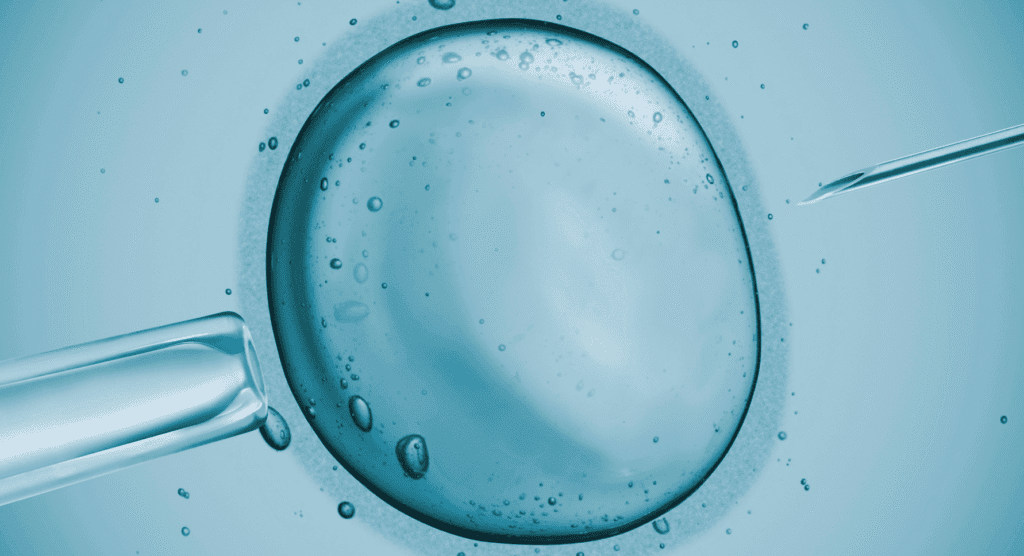
      Understanding IVF: ICSI

      Understanding IVF: The Beginning of Edgard and Patricia’s Journey

      By Dr Pereira

      “Doctor, we’ve tried everything,” Patricia began, her voice trembling. “Ovulation kits, vitamins, tracking apps… but still no baby.”

      Edgard sat beside her, silent but supportive. He squeezed her hand as I reviewed their medical file. They had been trying to conceive for two years. Patricia’s tests came back normal, but Edgard’s semen analysis revealed low sperm count and reduced motility.

      That day marked the beginning of their journey into understanding IVF.


      What Does Understanding IVF Really Mean?

      IVF stands for In Vitro Fertilization, a process where eggs and sperm are combined outside the body to create embryos. For couples like Edgard and Patricia, understanding IVF means more than memorizing steps; it’s about emotionally preparing for a journey that involves patience, science, and hope.

      Understanding IVF is important for:

      • Women with blocked or damaged fallopian tubes
      • Women with poor egg quality or low ovarian reserve
      • Couples with unexplained infertility
      • Men with low sperm count or poor sperm motility
      • Those with genetic conditions requiring embryo testing
      • LGBTQ+ couples and individuals using donor eggs, sperm, or surrogates

      Edgard and Patricia checked more than one of these boxes. They were ready to begin.


      Step 1: Ovarian Stimulation

      “To increase your chances of success,” I explained to Patricia, “we need more than one egg.”

      She would begin daily hormonal injections for 10 to 14 days. These medications stimulate the ovaries to produce multiple follicles instead of just one.

      We monitored her closely with:

      • Ultrasounds, to measure follicle size and number
      • Blood tests, to track hormone levels

      When her follicles reached 17–20 mm, we administered a final trigger injection of hCG. This step is crucial in understanding IVF, as timing affects egg quality and quantity.


      Step 2: Egg Retrieval

      Exactly 36 hours after the trigger shot, Patricia returned for the egg retrieval procedure. Guided by ultrasound, we used a thin needle to gently aspirate the eggs through the vaginal wall.

      It was a quick, 15- to 20-minute outpatient procedure under light sedation. She felt no pain, only relief that one major step was over.

      That morning, Edgard provided a sperm sample. Because of his low count, we chose ICSI (Intracytoplasmic Sperm Injection), where a single healthy sperm is injected directly into each egg. This part of understanding IVF can feel intimidating, but it’s often the best approach in male factor infertility.


      Step 3: Fertilization and Embryo Development

      Over the next five to six days, the fertilized eggs developed into embryos. Our embryologists monitored them for quality, cell division, and development.

      On Day 5, we had three healthy blastocysts ready. The rest were frozen for future use. Understanding IVF involves preparing for today and tomorrow—because not every cycle results in a pregnancy, and backups matter.

      Patricia and Edgard chose to transfer one embryo to reduce the risk of twins. The procedure was simple: a soft catheter placed the embryo into her uterus in less than 10 minutes.

      She rested for a few minutes and went home. And so began the hardest part of understanding IVF: the wait.

      The Two-Week Wait: Patience and Hope

      Those 12 days felt like 12 months. Patricia tried to stay calm. She avoided Google, walked gently around the block, and whispered hopeful thoughts to her belly.

      Understanding IVF also means understanding how emotional this phase is. Every twinge, every symptom, becomes a guessing game. We tell patients not to test early. But many do. That’s human. That’s hope.

      On Day 12, Patricia took her blood test. Her hCG was positive.

      She was pregnant.

      Understanding IVF: Emotional Highs and Unexpected Risks

      The day after Patricia’s positive pregnancy test, she sat quietly in my office.

      “I thought I would feel nothing but joy,” she said. “But I’m still scared.”

      IVF Success Rates: What to Expect

      Understanding IVF also means managing expectations. Success rates depend on several factors:

      • Age of the woman: Younger women have better success.
      • Egg and sperm quality: Poor quality lowers chances.
      • Embryo quality: Chromosomal abnormalities affect implantation.
      • Uterine health: Fibroids, thin lining, or inflammation may interfere.
      • Lifestyle: Smoking, obesity, stress all reduce success.

      Here’s a rough guide by age:

      • Under 35: 45–70%
      • 35–37: 40%
      • 38–39: 30–35%
      • 40–42: 8–25%
      • Over 42: Less than 10%

      Because Patricia was 34 and we transferred a top-grade embryo, her chances were strong.

      That’s when I reminded her: understanding IVF isn’t only about the technical steps—it’s also about embracing the emotional rollercoaster and acknowledging the real risks that come with it.

      Let’s walk through them together.


      1. Ovarian Hyperstimulation Syndrome (OHSS)

      One of the most serious risks in the IVF journey is OHSS, a condition that can occur when the ovaries over-respond to stimulation medications. While most women have mild symptoms, a few experience something more intense.

      Mild OHSS may include:

      • Abdominal bloating
      • Mild weight gain
      • Nausea and fatigue

      But in rare cases, severe OHSS can cause:

      • Rapid abdominal distension
      • Difficulty breathing due to fluid buildup
      • Blood clots or kidney issues

      Understanding IVF means knowing how your body might react. That’s why we tailor stimulation protocols carefully, especially for women with polycystic ovary syndrome (PCOS) or those who respond quickly to hormones.

      When Patricia began bloating and felt uncomfortable walking, we acted fast—adjusting her medications and adding fluids. She was lucky. No hospitalization was needed. But she understood the seriousness.


      2. Multiple Embryo Transfer and Twin Pregnancies

      Many couples come to me asking for two embryos to be transferred. “Twins would be a blessing,” they say.

      But here’s the truth: understanding IVF includes knowing that twin pregnancies carry higher risks—for both mother and babies. These include:

      • Preterm birth
      • Low birth weight
      • Gestational diabetes
      • Cesarean section risks

      With advances in embryo freezing and blastocyst selection, single embryo transfer (SET) is now preferred in most cases.

      For Patricia and Edgard, we transferred one excellent embryo. And when that pregnancy test turned positive, they were grateful we prioritized safety.


      3. Emotional and Mental Toll

      Perhaps the most underestimated part of understanding IVF is the emotional burden.

      The injections. The ultrasounds. The waiting. The uncertainty. And yes, the hope—which rises and falls with every test, every phone call, every day.

      Patricia once said, “It feels like I’m living in two realities—half hope, half fear.”

      She isn’t alone.

      Many patients experience:

      • Mood swings
      • Sleep disturbances
      • Anxiety or depression
      • Relationship strain

      Counseling can help. Support groups are invaluable. And acknowledging that this is not an easy path makes all the difference.


      4. Physical Side Effects of IVF Medications

      During the ovarian stimulation phase, the body goes through hormonal shifts that can cause side effects like:

      • Breast tenderness
      • Hot flashes
      • Headaches
      • Mood changes

      While temporary, these symptoms are real and can impact a woman’s daily functioning.

      Understanding IVF also means learning how to cope—through hydration, rest, and clear communication with your care team.


      5. IVF Failure and Grief

      Perhaps the hardest part to talk about: what happens when IVF doesn’t work?

      Even with perfect embryos and perfect timing, some cycles fail. When the two-week wait ends with a negative test, it feels like a small death—of a dream, a possibility.

      Couples may feel:

      • Guilt (“Did I do something wrong?”)
      • Anger (“Why us?”)
      • Despair (“How much more can we take?”)

      This is why understanding IVF means more than memorizing statistics. It’s preparing emotionally—for both the joy and the heartbreak.

      Some couples need to take a break. Others move straight into the next cycle. There’s no wrong answer—only what feels right for you.

      Understanding IVF: Cost, Accessibility, and Making It Possible

      When Edgard and Patricia began their IVF journey, one of their first concerns was cost.

      “Doctor,” Edgard asked quietly, “can we actually afford this?”

      Understanding IVF means recognizing that finances play a major role—not just in deciding to start, but in sustaining hope through the process.

      Let’s break down the reality.

      Global Costs of IVF

      The cost of a single IVF cycle can vary significantly depending on the country, clinic, and services included. Some centers bundle medication, monitoring, and procedures into one fee—others bill separately.

      Here’s a general breakdown by region:

      CountryAverage Cost per Cycle (USD)
      United States$12,000 – $25,000
      United Kingdom$7,000 – $10,000
      Canada$10,000 – $15,000
      Australia$7,000 – $9,000
      Brazil$4,000 – $6,000
      India$2,000 – $4,000

      In some places, government subsidies or insurance plans partially cover treatment—but most couples still pay a significant amount out of pocket.

      Understanding IVF includes preparing for not one, but potentially multiple cycles. Success may not come on the first try, and costs can multiply fast.


      What’s Included in IVF Costs?

      When Edgard and Patricia received their first invoice, they were surprised by how many components were listed:

      • Consultations and baseline tests
      • Hormonal injections and medications
      • Ultrasound monitoring and bloodwork
      • Egg retrieval and anesthesia
      • ICSI (if needed)
      • Embryo culture and blastocyst monitoring
      • Embryo transfer
      • Embryo freezing and storage (optional)
      • Pregnancy test and early monitoring

      In some cases, additional services like PGT-A (genetic testing) or assisted hatching may be recommended, raising the final cost.

      Understanding IVF also means knowing what’s optional and what’s essential, based on your medical history.


      Insurance Coverage and Public Access

      In a few countries—like Canada, the UK, and parts of Europe—IVF may be partially or fully covered by public health systems, especially for patients who meet specific criteria (age limits, no prior children, or specific diagnoses).

      In the U.S., only a few states mandate insurance coverage for infertility, and plans vary greatly. In developing nations, low-cost IVF programs are emerging, but access remains limited for many.

      Understanding IVF includes checking local regulations, employer benefits, and fertility financing programs early on.


      Cost-Saving Strategies

      Many couples explore creative ways to ease the financial burden of IVF:

      • Medication discounts or bulk-order pharmacies
      • Fertility grants and nonprofit aid programs
      • Payment plans offered by clinics
      • Traveling abroad for lower-cost IVF (“fertility tourism”)

      However, cheaper isn’t always better. Understanding IVF also means ensuring your clinic is reputable, your embryologists are experienced, and your protocol is individualized.


      Emotional and Financial Overlap

      For Patricia, the cost wasn’t just about dollars.

      “It’s not just money,” she told me. “It’s everything we’ve put into this—time, pain, energy, and hope.”

      Financial pressure adds to the emotional toll of IVF. That’s why many couples benefit from counseling, not just during treatment, but also while planning how to pay for it.

      Understanding IVF is about the whole picture—emotional, physical, and financial.

      Understanding IVF: Is It the Right Path for You?

      As we closed our final consultation, Patricia looked up with wide, tearful eyes.

      “Doctor,” she asked softly, “if this doesn’t work, does that mean we’ll never be parents?”

      That question breaks my heart every time. Because understanding IVF isn’t just about needles, scans, or lab results. It’s about real people making the hardest decision of their lives—with love, hope, and often heartbreak.


      Who Should Consider IVF?

      IVF isn’t always the first step—but it can be the best option for many couples or individuals who’ve tried other treatments without success.

      You may want to consider IVF if:

      • You’ve been trying to conceive for over a year with no success (or 6 months if over 35)
      • You have a known issue like blocked tubes, endometriosis, or male factor infertility
      • You’ve experienced multiple miscarriages
      • You need to use donor sperm, donor eggs, or a gestational carrier
      • You have a medical condition requiring genetic testing (PGT-A or PGT-M)
      • You’re freezing embryos for future use (e.g. cancer treatment or delayed motherhood)

      Understanding IVF means seeing it not as a last resort, but as a powerful tool. One backed by science, experience, and individualized care.


      Weighing the Emotional Cost

      One of the most important parts of understanding IVF is preparing emotionally. It’s not a linear path—and it’s not always easy.

      • You may face disappointment after a failed cycle.
      • You may question your body, your choices, or even your relationship.
      • You might grieve an embryo that didn’t implant, or a pregnancy that didn’t continue.

      That’s why I always recommend psychological support. Whether it’s a counselor, a support group, or honest conversations with your partner, mental wellness is crucial throughout the IVF process.

      Patricia once told me: “I felt like I was losing myself in hormones and numbers. Until I remembered why we were doing this—for love.”


      Making a Financial Plan

      We talked about IVF costs earlier. But the decision isn’t just about saving money. It’s about creating a strategy:

      • Will you try just one cycle, or are you open to two or three?
      • Will you freeze extra embryos for future use?
      • Do you want genetic testing to reduce miscarriage risk?
      • Will your insurance cover part of the cost?

      Understanding IVF includes thinking long-term. Sometimes patients need to take a break between cycles—emotionally, physically, or financially. That’s okay.


      Alternative Paths

      IVF doesn’t work for everyone. And for some couples, it’s not the right fit.

      If multiple cycles fail, we may discuss:

      • Egg or sperm donation
      • Embryo adoption
      • Surrogacy
      • Traditional adoption

      Understanding IVF means understanding its limits—and embracing the many paths to parenthood that still lie ahead.


      What Edgard and Patricia Taught Me

      They were brave. They asked questions. They cried. They held each other. And when Patricia saw those two pink lines, she didn’t scream—she whispered.

      “We made it.”

      That’s what understanding IVF is really about. It’s about holding onto hope when science feels overwhelming. It’s about turning information into action, and action into life.

      If you’re considering IVF, know this: You’re not alone. Millions of families began where you are now—scared, curious, and searching for answers.

      Talk to a fertility specialist. Get the facts. Ask the hard questions. And when you’re ready, take the first step.

      You deserve answers. You deserve support. You deserve a chance.


      References

      1. Practice Committee of the American Society for Reproductive Medicine (ASRM). "Assisted Reproductive Technology Success Rates." Fertility and Sterility, 2023.“>Practice Committee of the ASRM. “Assisted Reproductive Technology Success Rates.” Fertility and Sterility, 2023.
      2. March 18, 2025
    6. What is Ovarian Reserve? How to Test It. Can You Improve Your Egg Quality?

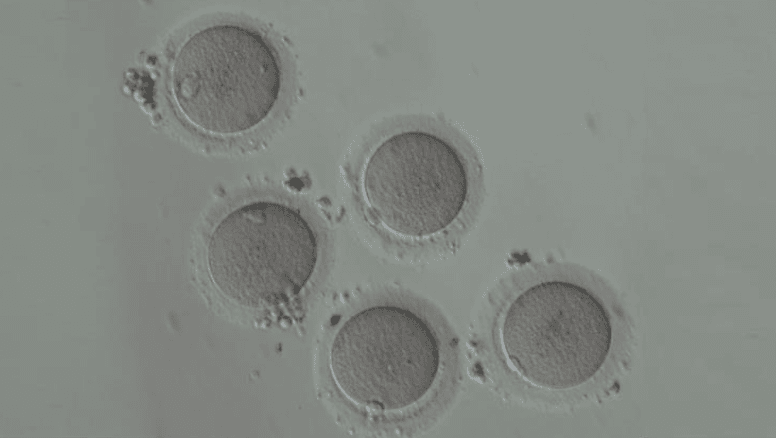
      Microscopic image of multiple eggs retrieved for fertility treatment, representing what is ovarian reserve.

      What Is Ovarian Reserve? Siomara’s Fertility Future

      By Dr Pereira

      What Is Ovarian Reserve? Siomara’s Fertility Future

      Siomara was 30 years old, vibrant, full of plans. She had recently gotten engaged and couldn’t stop smiling. Her wedding would be in the spring, and motherhood was part of her dream—just not yet. “Maybe after 35,” she said casually, brushing off the subject as something far off.

      But when she sat in my office that day, I gently asked a question that made her pause.

      “Siomara, have you ever checked your ovarian reserve?”

      She blinked. “What is ovarian reserve?”

      That single question became a turning point.


      What Is Ovarian Reserve?

      A woman is born with 1 to 2 million eggs, but by the time she reaches puberty, only around 300,000 remain. With each menstrual cycle, several eggs are lost, even though only one typically matures for ovulation. As a woman ages—especially after 30 and more rapidly after 35—her egg count declines. But it’s not just about quantity. Egg quality also diminishes over time.

      So, what is ovarian reserve? It’s a measure of the quantity and quality of eggs left in a woman’s ovaries. And it’s one of the most important indicators of future fertility. Understanding what is ovarian reserve is key for any woman planning her future.

      Why Does It Matter?

      For Siomara, like many women waiting to have children later in life, understanding ovarian reserve is essential. It’s not about panic. It’s about information. Knowledge. Control. Knowing what is ovarian reserve provides a realistic roadmap.


      Why Ovarian Reserve Is So Important

      The concept of ovarian reserve may seem abstract, but its importance is concrete. Here’s why understanding what is ovarian reserve matters:

      • It helps predict natural fertility potential: Women with a strong ovarian reserve are more likely to conceive naturally.
      • It guides fertility treatment planning: If the reserve is low, time-sensitive treatments like egg freezing or IVF may be recommended.
      • It gives insight into menopause timing: While not exact, a diminished ovarian reserve can signal early menopause.

      Low Ovarian Reserve Does Not Mean Infertility

      This is important: having a low ovarian reserve doesn’t mean a woman can’t get pregnant. Many women conceive with a low reserve, especially when guided by a fertility specialist. But it does mean fewer eggs, and potentially lower quality—so timing and strategy become critical. Understanding ovarian reserve means understanding how time impacts your chances. That’s why it’s essential to ask: what is ovarian reserve and how does it apply to me?


      How Do We Test Ovarian Reserve?

      Siomara was surprised to learn that testing ovarian reserve wasn’t difficult. In fact, it can be done with a combination of blood work and an ultrasound. Knowing what is ovarian reserve also means knowing how it’s measured.

      Hormonal Blood Tests

      TestWhat It MeasuresOptimal Range
      Anti-Müllerian Hormone (AMH)Egg supply1.0–4.0 ng/mL
      Follicle Stimulating Hormone (FSH)Ovarian function<10 mIU/mL (Day 3)
      Estradiol (E2)Ovarian response25–75 pg/mL (Day 3)
      Inhibin BFollicle activity>45 pg/mL

      AMH is the most stable marker. It doesn’t fluctuate much during the cycle. FSH and estradiol help give a fuller picture, but they can vary month to month.

      Ultrasound Tests

      • Antral Follicle Count (AFC): Using a transvaginal ultrasound, we count the small resting follicles in each ovary. A higher count (>12) is considered reassuring. A low count (<5) suggests diminished reserve.
      • Ovarian Volume: Larger ovarian size tends to correlate with better reserve.

      When I performed Siomara’s ultrasound that same morning, I quietly counted the follicles. Eight on one side, six on the other. Fourteen in total. A healthy number for her age. That’s the value of understanding ovarian reserve—it allows for timely action.


      Factors That Influence Ovarian Reserve

      The concept of ovarian reserve is dynamic. It’s not the same for everyone, and many variables can affect it. To fully grasp what is ovarian reserve, we must also understand what impacts it.

      1. Aging
      • Natural egg loss accelerates after 30.
      • After 35, both quantity and quality drop faster.
      • Chromosomal abnormalities in eggs increase with age.
      1. Lifestyle
      • Smoking: Toxic to the ovaries. Advances menopause by up to four years.
      • Obesity: Alters hormonal balance and reduces fertility.
      • Excessive alcohol: Lowers AMH and damages DNA in eggs.
      1. Medical Conditions
      • Endometriosis: Can damage ovarian tissue.
      • PCOS: Often presents with high follicle count but poor egg quality.
      • Autoimmune disorders: Can cause premature ovarian failure.
      1. Family History

      If a woman’s mother or sister experienced early menopause, her own reserve may decline sooner than average.

      These insights helped Siomara reflect. Her aunt had menopause at 42. That detail suddenly felt more significant. Another reason why knowing what is ovarian reserve can be so impactful.


      Can You Improve Ovarian Reserve?

      I wish I could promise women like Siomara that a magic pill could increase ovarian reserve. But the truth is:

      • We cannot increase the number of eggs.
      • We cannot reverse aging.

      However, we can protect egg quality, and that makes all the difference. And understanding what is ovarian reserve helps us make these choices wisely.

      What Helps

      • Coenzyme Q10 (CoQ10): May improve mitochondrial function in eggs.
      • Healthy lifestyle: Stop smoking. Eat well. Move your body.
      • Stress reduction: Chronic stress can interfere with hormone levels.
      • Regular screening: Monitoring AMH and AFC over time.

      And most importantly:

      • Fertility preservation.

      That’s what I recommended to Siomara.

      “We can freeze your eggs now while your reserve is healthy. That way, if you decide to wait until after 35, you’ll have better-quality eggs stored.”

      She nodded slowly, absorbing the weight of the information. This was not a scare tactic. This was a gift: foresight. This is why understanding ovarian reserve is a cornerstone of reproductive planning.


      Real Stories, Real Impact: Why Women Are Asking “What Is Ovarian Reserve?”

      Siomara’s case isn’t isolated. Every week, I see women in their late 20s or early 30s who have never heard of the term. Once we explain what is ovarian reserve and how it affects their ability to plan their family in the future, the response is often the same—relief, empowerment, and sometimes a tinge of regret for not knowing sooner.

      Understanding what is ovarian reserve is no longer just for women undergoing fertility treatment. It’s a vital part of reproductive awareness—just like learning about ovulation, contraception, or STIs. It’s the kind of knowledge that can shape life decisions. That’s why more gynecologists, endocrinologists, and wellness professionals are starting conversations earlier, especially with women who plan to delay motherhood.

      There’s a shift happening—women want control. And to gain control, they need education. They need to ask: what is ovarian reserve, and why does it matter to me, now?


      What Is Ovarian Reserve? You Know the Answer

      Siomara’s story is not uncommon. Every day, women are postponing motherhood for valid and empowering reasons—careers, relationships, personal growth. But knowing your body is the most empowering step of all.

      What is ovarian reserve? It’s your window into reproductive health. It allows you to act in time, to explore egg freezing, to protect your dreams. Understanding what is ovarian reserve is the foundation of that journey.

      You don’t need to panic. You just need to plan. And it all starts by understanding ovarian reserve.

      Stay tuned for the next post: Egg Freezing Explained: The Science, Success, and Strategy.

      Would you like to assess your ovarian reserve? Book a consultation today and learn where you stand.

      Share this post and help another woman learn about her fertility future.

      References
      1. American Society for Reproductive Medicine (ASRM). "Ovarian Reserve Testing: What You Need to Know." Fertility and Sterility, 2023. “>American Society for Reproductive Medicine (ASRM). “Ovarian Reserve Testing: What You Need to Know.” Fertility and Sterility, 2023.
      2. Wallace, W.H.B., & Kelsey, T.W. "Human Ovarian Reserve from Conception to Menopause." PLoS ONE, 2010. “>Wallace, W.H.B., & Kelsey, T.W. “Human Ovarian Reserve from Conception to Menopause.” PLoS ONE, 2010.
    7. Investigating Infertility: The Most Accurate Tests for Women and Men

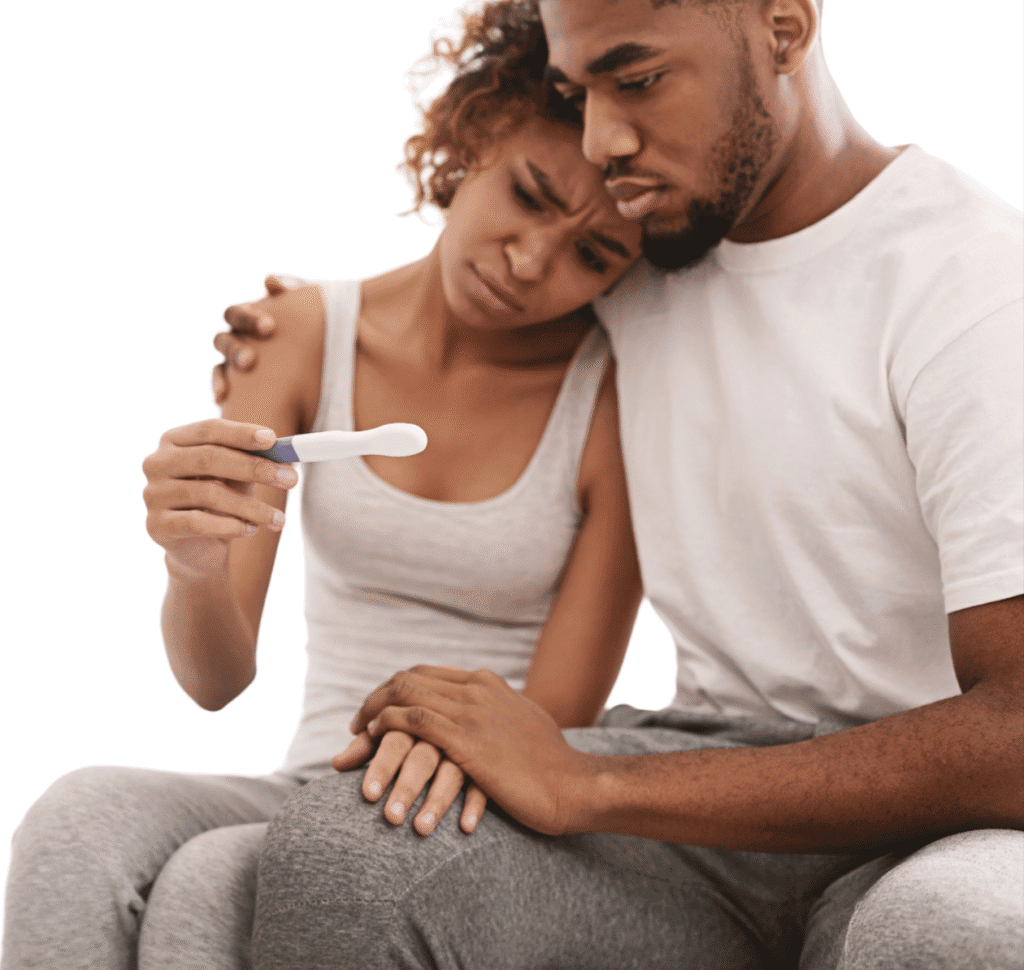
      Investigating infertility: Sad couple holding a negative pregnancy test after infertility testing

      Investigating Infertility: A Journey Toward Answers

      They came to my office with tired eyes but hopeful hearts. A couple in their early thirties—Daniela and Marcos—had been trying to conceive for over a year. “We just want to know what’s wrong,” Daniela said. It was the most common sentence I hear from patients like them. And it’s where every story like this begins: with a search for clarity. With investigating infertility.


      When Should You Start Investigating Infertility?

      Timing is everything in fertility. Investigating infertility doesn’t mean rushing into panic; it means knowing when it’s time to look deeper:

      • If a woman under 35 has been trying for 12 months without success.
      • If a woman over 35 has tried for 6 months with no pregnancy.
      • If the menstrual cycle is irregular, painful, or absent.
      • If a man has had previous testicular issues, low libido, erectile dysfunction, or hormonal disorders.
      • If a couple has experienced multiple miscarriages.

      The goal of investigating infertility is to identify problems early enough to act, because fertility is time-sensitive. Each month matters.


      Investigating Infertility: Female Fertility Testing

      For women, the process of investigating infertility involves multiple steps to evaluate hormone levels, ovulation, egg reserve, and reproductive anatomy.

      1. Hormonal Blood Tests

      These are timed with specific days of the menstrual cycle, especially Day 3 and the luteal phase (about a week after ovulation):

      TestWhat It MeasuresIdeal Fertile Range
      Anti-Müllerian Hormone (AMH)Ovarian reserve1.0–4.0 ng/mL
      Follicle-Stimulating Hormone (FSH)Ovarian stimulation<10 mIU/mL on Day 3
      Estradiol (E2)Ovary response25–75 pg/mL on Day 3
      Luteinizing Hormone (LH)Ovulation trigger5–20 mIU/mL on Day 3
      ProgesteroneConfirms ovulation>3 ng/mL in luteal phase
      ProlactinPituitary function2–29 ng/mL
      TSH / T4Thyroid healthTSH: 0.4–4.0 mIU/L

      The balance of these hormones plays a critical role in egg maturation and release. An imbalance can interfere with conception even if periods appear normal.

      1. Ovulation Tracking

      Ovulation can be tracked through:

      • Basal body temperature (BBT) charting
      • Ovulation predictor kits (LH surge detection)
      • Mid-luteal progesterone blood levels

      In some cases, women ovulate without symptoms, and vice versa. That’s why investigating infertility often includes objective confirmation.

      1. Ultrasound Exams

      Transvaginal ultrasound provides visual insights into:

      • Antral follicle count (AFC): the number of resting follicles in both ovaries
      • Ovarian cysts or PCOS signs
      • Uterine structure: fibroids, polyps, congenital anomalies

      The AFC is particularly relevant when combined with AMH to evaluate ovarian reserve.

      1. Fallopian Tube and Uterus Imaging

      Open fallopian tubes are essential for natural conception. The tests include:

      • Hysterosalpingography (HSG): X-ray with contrast dye to assess tubal patency
      • Saline infusion sonography (SIS): ultrasound to evaluate uterine lining
      • Hysteroscopy: direct visualization of the uterine cavity

      Blocked tubes or intrauterine adhesions may require surgical correction before fertility treatment.


      Investigating Infertility: Male Fertility Testing

      It takes two. Investigating infertility means evaluating male factors with equal seriousness.

      1. Semen Analysis

      A simple test, but often revealing. It analyzes:

      • Volume (1.5 mL or more)
      • Sperm count (15 million/mL or higher)
      • Motility (at least 40% should be moving)
      • Morphology (at least 4% normal forms)

      Any abnormalities may indicate the need for lifestyle changes or specialized reproductive techniques like ICSI.

      1. Hormonal Testing for Men

      Key hormones include:

      • Testosterone (300–1000 ng/dL)
      • FSH & LH (1.5–12.4 mIU/mL)
      • Estradiol (10–40 pg/mL)
      • Prolactin (2–18 ng/mL)

      Low testosterone and elevated FSH can point to impaired spermatogenesis. High prolactin may suggest pituitary issues.

      1. Genetic Testing

      For severe sperm issues, tests can detect:

      • Y-chromosome microdeletions
      • Karyotype abnormalities (e.g., Klinefelter syndrome)

      This information helps in determining if sperm retrieval or donor sperm is needed.


      What Comes After Investigating Infertility?

      Once testing is complete, we develop a plan based on the findings. Options include:

      • Lifestyle optimization: weight management, quitting smoking, reducing alcohol, improving sleep.
      • Timed intercourse: using ovulation timing to increase chances.
      • Ovulation induction: medications like clomiphene or letrozole.
      • Intrauterine insemination (IUI): placing prepared sperm directly in the uterus.
      • In vitro fertilization (IVF): combining egg and sperm in a lab, then transferring embryos.

      Investigating infertility isn’t just about diagnoses. It’s the bridge to action, to healing, to hope. For Daniela and Marcos, it meant uncovering a thyroid imbalance and low AMH. With supplements, stress reduction, and a customized IUI cycle, they conceived within six months.

      Their journey wasn’t short. But it started with one step: investigating infertility.

      Why Investigating Infertility Early Matters

      One of the biggest misconceptions I encounter is the idea that fertility is guaranteed until menopause. In truth, a woman’s reproductive potential starts to decline much earlier—often in her early 30s. That’s why investigating infertility proactively, even before a year of trying, can save time, money, and emotional distress.

      Early investigation can uncover hidden issues such as:

      • Silent ovulatory disorders
      • Mild endometriosis
      • Thyroid dysfunction
      • Low ovarian reserve
      • Male factor infertility that shows no symptoms

      In many cases, couples wait too long. They try for years, assuming nothing is wrong, only to discover that a simple intervention could have helped sooner. Investigating infertility is not about fear—it’s about preparation. It’s about owning your timeline before biology makes the decisions for you.


      Lifestyle Factors to Consider When Investigating Infertility

      Fertility is more than just biology—it’s deeply affected by how we live. When we start investigating infertility, we also examine the daily habits that might be quietly affecting reproductive health.

      1. Nutrition and Weight

      • Being significantly underweight or overweight can disrupt ovulation.
      • High sugar intake and insulin resistance can affect hormone balance.
      • Nutrient deficiencies, such as low vitamin D, iron, or omega-3s, may impair fertility in both men and women.

      2. Smoking and Alcohol

      • Smoking is toxic to eggs and sperm, accelerating ovarian aging and reducing sperm count and motility.
      • Alcohol, especially in large quantities, impacts hormone levels and can delay conception.

      3. Stress

      • Chronic stress may not cause infertility, but it can exacerbate underlying conditions like PCOS or hypothalamic amenorrhea.
      • Couples under prolonged stress may also have reduced libido and intimacy, further reducing chances of conception.

      4. Environmental Exposures

      • Endocrine disruptors like BPA (in plastics), phthalates (in cosmetics), and pesticides can affect egg and sperm quality.
      • Investigating infertility sometimes means reevaluating the products we use every day.

      This is why a comprehensive approach matters. When I begin investigating infertility in my clinic, I don’t just look at test results. I ask about lifestyle, habits, routines, and even sleep. Sometimes the answers are found outside the lab.

      Fertility Preservation and Long-Term Thinking

      When investigating infertility, we also assess long-term reproductive health. For example, Siomara, 30, came to us before trying to conceive. She had no symptoms, no partner pressure—just foresight. She wanted to wait until 36 or 37 to become a mother. After a discussion about age-related decline in egg quality and quantity, we tested her AMH and AFC.

      Her ovarian reserve was average, but she chose to freeze her eggs. Investigating infertility helped her make an informed choice and take control of her future.


      Myths and Misunderstandings in Investigating Infertility

      Many couples delay investigating infertility due to myths:

      • “Infertility is always the woman’s fault.” (False. Male factors are involved in 40% of cases.)
      • “If I get my period, I’m fertile.” (Not necessarily. Ovulation might be absent.)
      • “We’re young, so we have time.” (Fertility can decline even in your early 30s.)
      • “You have to try for years before seeing a doctor.” (Early assessment leads to better outcomes.)

      Dispelling these myths is part of educating couples and empowering them to act. Investigating infertility is not giving up; it’s taking charge.


      Emotional and Psychological Impact

      Investigating infertility can be emotionally draining. Each test, each waiting period, each result brings its own wave of anxiety. Couples often struggle in silence, ashamed or afraid to share what they’re going through.

      But the truth is: 1 in 6 couples face infertility.

      Investigating infertility should be seen as a courageous act—an informed and loving step toward building a family. It’s not weakness. It’s strength. It’s advocacy for your future.

      That’s why, in my practice, we include mental health support in every step of the process. Talking to a therapist who specializes in reproductive health can be as healing as any medication.

      Costs are another factor. Not all tests and treatments are covered by insurance. But delaying investigation can make treatments more complex and expensive later. Knowledge is not just power—it’s financial strategy.

      Conclusion: Investigating Infertility Can Change Everything

      Investigating infertility is more than a diagnostic protocol. It is a journey of courage, of partnership, of trust in science and hope in the future. Whether it leads to timed intercourse, IUI, IVF, egg freezing, or even adoption, the first step remains the same: seeking answers.

      No couple should feel alone or ashamed of seeking help. Investigating infertility gives voice to unspoken pain and light to the unknown. It helps transform tears of confusion into tears of joy.

      If you’re wondering when to begin—start now. Investigating infertility might be the most important decision you ever make.


      References

      Eekelen, R. van, et al. "Natural Conception: Repeated Predictions Over Time." Human Reproduction, Vol.32, No.2, 2017, pp. 346–353. DOI:10.1093/humrep/dew309. “>2. Eekelen, R. van, et al. “Natural Conception: Repeated Predictions Over Time.” Human Reproduction, Vol.32, No.2, 2017, pp. 346–353. DOI:10.1093/humrep/dew309​.

      . Barreto, N.C.N. “Predição do Sucesso de Gestação Utilizando Algoritmos de Machine Learning Após Procedimentos de Fertilização In Vitro.” Universidade Federal de Minas Gerais, Programa de Pós-Graduação em Análises Clínicas e Toxicológicas, 2021​.

      5. March 17, 2025

    8. Menopause and Nutrition: How Diet Impacts Symptoms and Long-Term Health

      Woman checking weight on scale with measuring tape nearby, representing concerns about weight gain during menopause and the importance of healthy choices in menopause and nutrition.

      Menopause and Nutrition: My Patient Samara’s Turning Point

      By Dr. Pereira

      I remember clearly when Samara came into my office. She was 43, glowing with energy, newly engaged, and full of plans. But she wasn’t just asking about birth control or wedding stress. What worried her most was something that felt far away but deeply real: “Will I gain weight in menopause? Is it the hormones that make us fat?”

      As a physician, I’ve seen these questions too many times—and they are valid. Menopause is a natural phase of life, but it comes with real physical changes that deserve our attention. And menopause and nutrition are inseparable when we talk about preventing disease, maintaining quality of life, and preserving self-esteem.

      Let me walk you through what I shared with Samara—and what every woman should know.

      Before I told Samara about diet, supplements, or weight gain, I explained something even more fundamental: what menopause really is.

      Menopause is not a disease. It’s a milestone. A woman officially enters menopause when she has gone 12 consecutive months without a menstrual period, with no other medical cause. It usually occurs between the ages of 45 and 55, with the average age around 51.

      But menopause is just one day—the anniversary of that 12th missed cycle. The years leading up to it? The ups and downs, the night sweats, the mood swings, the missed periods followed by heavy ones? That’s the climacteric—also called the menopausal transition or perimenopause.

      Let me make it clear:

      • Climacteric = the long hormonal rollercoaster before and after menopause
      • Menopause = the official last period
      • Postmenopause = the years after that day, when symptoms may continue or fade

      This transition can last 7 to 10 years, and it’s one of the most biologically intense phases in a woman’s life. And yet, so many women enter it unprepared. That’s why talking about menopause and nutrition isn’t just about avoiding weight gain—it’s about protecting your bones, heart, brain, and emotional health for the decades ahead.

      This phase marks a turning point in preventive care:

      • It’s the time when osteoporosis risk accelerates
      • When cardiovascular risk rises quietly
      • When muscle loss, insulin resistance, and belly fat become real threats
      • And when emotional health, sleep, libido, and memory can be deeply affected

      I told Samara the truth: no one can stop this transition. But how you live through it—how you nourish your body—makes all the difference. And that’s where our journey with menopause and nutrition begins.


      Why Menopause Changes Everything

      The transition into menopause brings a cascade of hormonal shifts—especially the decline of estrogen. This key hormone doesn’t just regulate cycles and fertility. Estrogen touches almost every part of the body: bones, heart, brain, metabolism, and even our emotional responses to food and stress. That’s why menopause and nutrition must be a daily conversation.

      Let’s break it down.

      The Invisible Shift: How Menopause Transforms Your Body

      As I sat across from Samara, I could feel the quiet anxiety in her eyes. Like so many women approaching menopause, she was scared—not just of the hot flashes or the missed periods, but of something deeper and more frustrating: the creeping weight gain, the drop in energy, the change in her reflection.

      I explained to her that during menopause, the decline in estrogen doesn’t just affect the reproductive system. It alters nearly every metabolic pathway in the body. And nutrition during menopause becomes more than just a wellness trend—it becomes a medical necessity.


      Bone Density and Calcium: A Silent Risk

      Let’s begin with bone density.

      Estrogen is a powerful protector of bones. It keeps the cells that build bone (osteoblasts) active and suppresses the ones that break bone down (osteoclasts). When estrogen drops, this balance is lost. Bones become porous. That’s why osteoporosis affects 1 in 2 postmenopausal women, often silently until the first fracture.

      Many women don’t realize it, but we start losing bone mass earlier than we think. Estrogen helps our bones absorb calcium and maintain strength. Without it, the risk of osteoporosis increases dramatically. Some women lose up to 20% of their bone mass within the first five to seven years after menopause.

      Imagine your bones like a bank account. In youth, we deposit calcium through food and exercise. But after menopause, we start withdrawing—rapidly. That’s why nutrition during menopause must focus on calcium-rich foods.

      So when we talk about menopause and nutritioncalcium and vitamin D are your frontline defenders.

      But taking calcium alone isn’t enough.

      You need vitamin D to absorb calcium. You need magnesium to help calcium get into your bones and stay there. You need vitamin K2 to make sure calcium doesn’t deposit in your arteries instead of your skeleton. This triad is critical, and I often prescribe targeted supplementation based on lab results.

      Real-life calcium sources aren’t just dairy. I tell my patients to embrace:

      • Sardines with bones
      • Cooked spinach
      • Tofu set with calcium sulfate
      • Fortified oat milk

      Patient-Friendly Calcium Tips:

      • Think of a yogurt cup as your daily dose of armor. One serving gives you 300–400 mg of calcium.
      • Add leafy greens like kale to your lunch. A cooked cup has about 200 mg.
      • Salmon and sardines with bones? Powerhouses of both calcium and omega-3.

      But calcium isn’t enough. Without vitamin D, calcium cannot be absorbed properly. That’s why menopause and nutritiongo hand in hand with sunlight and supplements.


      Why Vitamin D Is So Famous—And Rightly So

      Vitamin D is more than a “bone vitamin.” It regulates immune health, helps prevent depression, and supports the nervous system. Many women are deficient, especially those who work indoors or live in places with low sunlight.

      What I told Samara—and what I tell all my patients—is this: if you’re over 40 and don’t check your vitamin D yearly, it’s time to start.

      • 15 minutes of daily sunlight (without sunscreen) helps your skin produce it.
      • Fatty fish like tuna and mackerel support your levels.
      • And for most of my patients, a supplement of 800–1,000 IU/day is a smart move after 45.

      The Menopausal Heart: Silent Changes You Must Know

      Many women are surprised to learn that the leading cause of death after menopause isn’t cancer—it’s heart disease.

      Estrogen has a protective role in the cardiovascular system. It helps regulate cholesterol, keeps arteries flexible, and reduces inflammation. Once it drops, bad cholesterol (LDL) rises, good cholesterol (HDL) may fall, and arteries begin to stiffen.

      That’s why nutrition after menopause is so crucial for heart protection.

      I advise increasing fiber intake—which binds cholesterol in the digestive tract—and embracing anti-inflammatory fats. Think olive oil, walnuts, flaxseeds, and especially omega-3 fatty acids from fatty fish.

      Let me pause and explain why omega-3 is so famous.

      Omega-3 fatty acids, particularly EPA and DHA, are essential fats that the body can’t make on its own. They reduce triglycerides, slow plaque buildup in arteries, and support brain function. Women with higher omega-3 intake often report better mood, less brain fog, and more stable blood pressure. I always recommend salmon, sardines, or algae-based supplements for vegans.

      If you eat fish twice a week and sprinkle chia seeds or flaxseeds on your breakfast, you’re already ahead. If not, supplements can help.


      The Battle of the Belly: Metabolism, Insulin, and Weight

      “Why is my belly growing even though I’m eating the same?” Samara asked me. A question I hear every single day.

      The truth is: menopause slows metabolism, changes fat distribution, and increases insulin resistance. Even if you don’t change your eating habits, your body does. It becomes more efficient at storing fat, especially around the abdomen.

      Belly fat isn’t just cosmetic. It’s metabolically active—producing inflammatory hormones, raising insulin, and increasing the risk of type 2 diabetes.

      Here’s where fiber, protein, and magnesium step in.

      • Protein preserves muscle mass, which is vital for metabolism.
      • Fiber slows glucose absorption, balancing blood sugar and reducing cravings.
      • Magnesium improves insulin sensitivity and helps regulate blood sugar.

      Many women in midlife don’t realize they’re developing pre-diabetes. They’re eating what they always did, but gaining weight and losing energy. I teach them to build meals around fiber + protein + good fat and reduce sugar as much as possible.

      Because, let’s be honest, sugar is the enemy.

      It spikes insulin, fuels belly fat, and robs your body of nutrients like magnesium and B vitamins. That’s why menopause and nutrition are inseparable. What you eat truly changes how you feel—and how you age.


      Caffeine, Alcohol, and Menopausal Symptoms

      I also asked Samara about her habits. She enjoyed a glass of wine at night and a few cups of coffee during the day. Many of my patients do.

      But during menopause, these habits can amplify symptoms:

      • Alcohol reduces bone density, disrupts sleep, and worsens hot flashes.
      • Caffeine can trigger anxiety, insomnia, and palpitations.
      • Both can exacerbate night sweats and fatigue the next day.

      I don’t tell my patients to eliminate everything they love. But we experiment. Reducing alcohol to a few times per month and swapping coffee for herbal teas can make a big difference.

      And I remind them: these changes are not punishment. They are strategies to help them feel vibrant and in control again.

      The Power of Protein, Fiber, and Omega-3 in Menopause and Nutrition

      As I guide more and more patients like Samara through this stage of life, I always return to one central message: “Menopause and nutrition are inseparable allies.” No matter what symptoms you’re facing—weight gain, fatigue, brain fog, or bone loss—your plate can either fight for you or against you. Let’s talk about three critical nutrients: protein, fiber, and omega-3 fatty acids.

      Protein: Preserving Strength and Metabolism

      During menopause, a woman can lose up to 10% of her muscle mass each decade, especially without resistance training. This loss doesn’t just make you feel weaker—it slows your metabolism, increases the risk of insulin resistance, and leads to more fat gain, especially around the belly.

      Menopause and nutrition intersect deeply here. Protein isn’t just for athletes or bodybuilders. For menopausal women, protein becomes a daily medicine. Adequate intake helps rebuild and preserve lean muscle, enhances fat-burning, and supports hormone production.

      How much is enough? Aim for at least 1.2 grams of protein per kilogram of body weight per day. That means a 65 kg woman needs around 80 grams of protein daily—spread out through all meals.

      Best protein sources during menopause:

      • Lean meats: chicken, turkey, beef in moderation
      • Fish: salmon, tuna, sardines (with bonus omega-3s!)
      • Eggs: a complete protein
      • Greek yogurt, cottage cheese, tofu, tempeh, and legumes

      Fiber: Stabilizing Sugar, Reducing Bloat, and Feeding the Gut

      When discussing menopause and nutrition, I often remind patients that fiber is underrated and under-consumed. But it’s one of the most powerful tools in managing insulin resistance, weight gain, and even bloating.

      Soluble fiber (from oats, legumes, apples) helps stabilize blood sugar and reduces the absorption of dietary fat. Insoluble fiber (found in whole wheat, vegetables, and seeds) helps with bowel regularity and eases constipation—a common issue post-menopause.

      But there’s more: fiber feeds your gut microbiome, the vast community of bacteria that regulates metabolism, immunity, and inflammation. A diverse, fiber-fed gut is a resilient one.

      Aim for at least 25–30 grams of fiber per day.

      Great fiber sources for menopausal women:

      • Oats, quinoa, brown rice
      • Leafy greens, broccoli, carrots, Brussels sprouts
      • Berries, apples, pears
      • Chickpeas, black beans, lentils, flaxseeds, and chia seeds

      Omega-3 Fatty Acids: Reducing Inflammation and Supporting Brain and Heart

      Few nutrients deserve the spotlight in menopause and nutrition like omega-3s do. These healthy fats are not produced by the body and must come from food. They reduce systemic inflammation, help manage mood swings and brain fog, and improve heart health—which is especially vital post-menopause when estrogen’s protective effects wane.

      Why are omega-3s so famous? Because they work. Studies show that women with higher omega-3 intake have lower levels of depression, better cognitive performance, reduced risk of metabolic syndrome, and improved skin and hair health.

      Where to get omega-3s naturally:

      • Fatty fish like salmon, sardines, trout, mackerel
      • Walnuts, chia seeds, flaxseeds
      • Algae oil (great for vegetarians and vegans)

      Pro tip: If you’re not getting fish twice per week, consider a high-quality omega-3 supplement with EPA and DHA.


      Menopause and nutrition are not about restriction. They’re about strategy. By choosing protein to maintain strength, fiber to stabilize metabolism, and omega-3s to support your mind and heart, you’re not just surviving this stage—you’re thriving.

      Sugar, Magnesium, and the Battle Against Belly Fat in Menopause and Nutrition

      As I sat with Samara in the clinic room, I saw the same concern I see in countless women going through menopause: “Why is my belly changing so much—and why is it so hard to lose weight now?” The answer lies deep in the hormonal and metabolic shifts that happen during this life stage. And the solution? A powerful alignment of knowledge and action rooted in menopause and nutrition.

      Sugar: The Silent Saboteur

      Sugar may seem like a comfort—especially during emotional or hormonal swings—but it works silently against you. During menopause, your estrogen and progesterone levels fall. These hormones help regulate how your body stores fat and uses insulin. Without them, sugar is more likely to be stored as belly fat, increase inflammation, and lead to insulin resistance.

      Consuming high amounts of sugar also worsens hot flashes, fatigue, mood swings, and sleep problems. That sweet dessert or sugary coffee may feel like a treat, but it’s fueling the very symptoms you’re trying to manage.

      Why sugar is especially harmful during menopause and nutrition:

      • Increases belly fat storage due to insulin spikes.
      • Elevates inflammatory markers.
      • Depletes magnesium and B vitamins.
      • Triggers energy crashes and worsens fatigue.

      Tips to reduce sugar in menopause and nutrition:

      • Avoid sugary drinks, energy bars, and sweetened yogurts.
      • Choose whole fruits instead of fruit juices.
      • Satisfy cravings with dark chocolate (85% cacao or more).
      • Read labels—sugar hides under names like maltose, dextrose, and syrup.

      Magnesium: The Memory, Mood, and Metabolism Mineral

      When we talk about menopause and nutrition, few minerals are as versatile and essential as magnesium. It supports over 300 biochemical processes in the body—including hormone regulation, memory, mood, sleep, and muscle function. During menopause, women often experience poor sleep, increased anxiety, and memory fog—all of which are linked to magnesium deficiency.

      Estrogen helps magnesium stay in balance. As it declines, your magnesium levels may fall, especially if your diet is low in whole plant foods.

      Benefits of magnesium during menopause and nutrition:

      • Reduces anxiety and stress by calming the nervous system.
      • Supports quality sleep by regulating melatonin.
      • Improves memory and brain clarity.
      • Helps regulate insulin and prevents blood sugar spikes.
      • Reduces muscle cramps and improves bone density.

      Where to find magnesium in menopause and nutrition:

      • Almonds, cashews, and walnuts
      • Pumpkin and sunflower seeds
      • Spinach, kale, and other dark leafy greens
      • Avocados and bananas
      • Dark chocolate (with high cacao content)

      Many women benefit from taking a magnesium supplement—preferably in the form of magnesium glycinate or citrate for better absorption and gentleness on the stomach.

      Belly Fat: Understanding It—and Fighting Back

      The belly fat that creeps up during menopause isn’t just cosmetic. It’s visceral fat, and it’s linked to inflammation, insulin resistance, heart disease, and even cognitive decline. Understanding why it forms—and what to do about it—is one of the biggest opportunities for reclaiming your health.

      Why belly fat increases after menopause and nutrition considerations:

      • Drop in estrogen leads to more fat stored around the waist.
      • Lower progesterone causes fluid retention and bloating.
      • Slower metabolism burns fewer calories at rest.
      • Loss of muscle mass decreases fat-burning potential.
      • Stress elevates cortisol, which promotes fat around the abdomen.

      Menopause and nutrition tips to fight belly fat:

      • Prioritize protein at every meal to preserve muscle.
      • Avoid added sugars and refined carbs.
      • Walk daily—especially after meals—to control blood sugar.
      • Add resistance training 2–3 times per week.
      • Improve sleep quality—poor sleep is linked to increased belly fat.
      • Manage stress with yoga, journaling, breathing exercises.

      Belly fat isn’t a sentence—it’s a signal. And through the right dietary strategies, movement, sleep, and stress management, it can be addressed effectively.

      Menopause and nutrition together form your best ally in this journey.

      The Hidden Triggers – Alcohol, Caffeine, and Sodium in Menopause and Nutrition

      As I continued my discussion with Samara, her brow furrowed when we shifted topics. “I just want to feel like myself again,” she had said. The truth is, some everyday choices—like that evening glass of wine, morning coffee, or takeout dinner—can quietly worsen symptoms. That’s why menopause and nutrition must go hand in hand, especially when addressing triggers like alcohol, caffeine, and sodium.

      Alcohol: How It Undermines Hormonal Balance

      Many women ask, “Can I still enjoy a glass of wine?” Yes—but with awareness. Alcohol can worsen many menopausal symptoms and weaken your overall health in ways that aren’t obvious at first.

      Why alcohol is harmful in menopause and nutrition:

      • Triggers hot flashes and night sweats.
      • Interrupts sleep cycles, leading to poor rest and fatigue.
      • Affects liver metabolism of estrogen, disrupting hormonal balance.
      • Reduces bone mineral density and increases risk of osteoporosis.
      • Contributes to abdominal weight gain and increases the risk of breast cancer.

      Tips for managing alcohol in menopause and nutrition:

      • Stick to no more than one drink per occasion.
      • Choose dry red wine or light beer instead of sugary cocktails.
      • Drink slowly and pair with meals.
      • Stay hydrated—alcohol depletes key nutrients like magnesium and B vitamins.

      If you find that even small amounts of alcohol worsen your hot flashes or sleep, it may be worth reducing intake further or cutting it out.

      Caffeine: The Energy Spike with a Hidden Cost

      Coffee is part of so many women’s routines, but during menopause, it can turn from a friend to a foe. That’s because caffeine stimulates your nervous system at a time when your hormones are already in flux.

      How caffeine affects menopause and nutrition:

      • Increases anxiety and jitteriness.
      • Can disrupt sleep, especially if consumed after noon.
      • May trigger or intensify hot flashes.
      • Can irritate the bladder, increasing urgency or frequency.
      • Elevates cortisol, the stress hormone, which contributes to belly fat.

      Menopause and nutrition strategies for caffeine:

      • Limit to 1–2 cups of coffee per day, and avoid it after lunch.
      • Switch to green tea or matcha for a gentler energy boost.
      • Try decaf or herbal teas like chamomile, peppermint, or rooibos.
      • Pay attention to caffeine hidden in sodas, energy drinks, and even chocolate.

      A calmer nervous system helps balance hormones—and nutrition choices that reduce stimulation can be powerful in managing menopause.

      Sodium: The Silent Contributor to Bloating and High Blood Pressure

      Sodium is essential for life—but in excess, it quietly sabotages your progress. After menopause, your body becomes more salt-sensitive, and high-sodium foods can cause bloating, water retention, and blood pressure spikes.

      Why sodium is a concern in menopause and nutrition:

      • Estrogen decline impairs sodium balance.
      • Promotes fluid retention and swelling.
      • Increases blood pressure and cardiovascular risk.
      • Makes you feel puffy and uncomfortable.

      How to reduce sodium in menopause and nutrition:

      • Avoid processed and packaged foods—these contain 75% of the sodium in the average diet.
      • Use herbs, spices, lemon, and vinegar for flavor.
      • Choose fresh or frozen vegetables over canned.
      • Check labels—look for “low sodium” or <140 mg per serving.

      Even small reductions in sodium can have a big impact—helping you feel lighter, less bloated, and more in control.

      When I finished this part of the conversation with Samara, I saw her smile return. With this knowledge, she understood that menopause and nutrition were not just medical topics—they were keys to reclaiming her strength, sleep, and peace of mind.

       Conclusion: Reclaiming Health Through Menopause and Nutrition

      As our conversation came to an end, Samara looked more hopeful than when she had walked into my office. Like many women entering this new phase of life, she arrived with a storm of questions—about hormones, body changes, weight gain, and most importantly, how to take back control. What she discovered was that menopause and nutrition are deeply connected, not just in science, but in lived experience.

      Menopause and nutrition aren’t about dieting or restriction—they are about empowerment. They are about understanding your body’s changing needs and nourishing it accordingly. From calcium for bone strength to fiber for blood sugar balance, from omega-3s for the heart and brain to magnesium for sleep and stress, the right foods can become your daily medicine.

      Yes, the transition through menopause brings challenges—hot flashes, belly fat, mood swings, insomnia—but these are not sentences. They are signals. And with proper guidance, they can be managed through thoughtful, powerful choices.

      By focusing on menopause and nutrition, you’re not just eating to survive—you’re eating to thrive. You’re building stronger bones, protecting your heart, balancing your hormones, and guarding your brain. You’re making peace with your body and giving it the respect it deserves.

      There is no one perfect solution. But there is a path. And that path begins with awareness.

      If you’re entering this phase, start by listening to your body. Then support it—with whole foods, with movement, with rest, and with compassion. Let menopause and nutrition be your guide.

      And if you’re ready to take action, schedule a consultation. Let’s measure your nutrients, check your hormones, and build a personalized nutrition and wellness plan. The best years of your life might just be ahead of you.

      Menopause and NutritionReferences

      References

    9. The Role of Exercise in Menopause: Benefits, Best Workouts, and Tips

      Women doing strength and flexibility exercise in menopause at a gym setting

      Exercise in Menopause: Why it is Crucial During Menopause?

      As estrogen levels decline, women experience various changes that impact their physical and mental health. While these hormonal shifts are natural, they can lead to unwanted symptoms such as weight gain, mood swings, hot flashes, and loss of bone density.

      Regular exercise helps counteract these effects by:

      • Reducing hot flashes and night sweats. Studies suggest that aerobic exercise can help decrease the frequency and intensity of vasomotor symptoms.
      • Supporting bone health. Weight-bearing and resistance exercises prevent osteoporosis by maintaining bone density.
      • Improving mood and reducing anxiety. Exercise releases endorphins, which help combat mood swings, depression, and anxiety.
      • Aiding in weight management. A slower metabolism can lead to weight gain, but regular activity helps maintain a healthy weight.
      • Protecting heart health. Exercise reduces the risk of cardiovascular diseases, which become more common after menopause.
      • Enhancing sleep quality. Regular movement helps regulate sleep cycles and improve rest.

      Women who exercise regularly report higher energy levels, better self-confidence, and fewer menopause-related discomforts.

      Exercise in Menopause: Best Types of Exercise for Menopausal Women

      Not all exercises offer the same benefits during menopause. A balanced fitness routine should include strength training, cardio, flexibility work, and mind-body exercises to maximize health improvements.

      Exercise in Menopause: Build and Preserve Muscle Mass

      Lifting weights or using resistance bands helps counteract age-related muscle loss and strengthens bones. Since menopause accelerates bone density loss, strength training is crucial for preventing osteoporosis.

      Recommended strength workouts:

      • Bodyweight exercises: squats, lunges, push-ups
      • Resistance bands or free weights for arms and legs
      • Core exercises like planks to improve balance and stability

      Aim for two to three strength training sessions per week, focusing on all major muscle groups.

      Exercise in Menopause: Protect Heart Health and Manage Weight

      Cardio workouts improve heart health, boost metabolism, and aid weight management. Engaging in moderate-intensity aerobic exercises can reduce cholesterol levels, improve circulation, and lower blood pressure.

      Best cardio workouts:

      • Walking (brisk pace) for at least 30 minutes
      • Cycling or swimming for joint-friendly movement
      • Dancing for a fun and social workout
      • Jogging for those who prefer higher-intensity workouts

      At least 150 minutes of moderate-intensity cardio per week or 75 minutes of high-intensity workouts is recommended.

      Exercise in Menopause: High-Intensity Interval Training (HIIT)

      HIIT involves short bursts of intense activity followed by rest periods. It’s excellent for maintaining muscle tone, improving metabolic rate, and enhancing cardiovascular fitness.

      Example HIIT routine:

      • 30 seconds of sprinting, 1-minute walk (repeat 8–10 times)
      • 45 seconds of jumping jacks, 15 seconds rest
      • Burpees, mountain climbers, and jumping squats for high-intensity movement

      One or two HIIT sessions per week are recommended to avoid excessive strain.

      Exercise in Menopause :Yoga and Pilates

      Yoga and Pilates are excellent for reducing stress, improving posture, and increasing flexibility. Many menopausal women experience joint pain and stiffness, and these exercises support mobility while calming the nervous system.

      Recommended practices:

      • Hatha yoga for gentle stretching
      • Yin yoga for relaxation and mindfulness
      • Pilates for core strength and stability

      Aim for two to three sessions per week for best results.

      Mind-Body Exercise in Menopause

      Tai chi and qigong promote relaxation, balance, and joint health. These ancient movement practices help with hormonal regulation and reduce stress levels, making them beneficial for menopause management.

      Exercise in Menopause: How to Get Started with an Exercise Routine

      Starting or maintaining an exercise routine during menopause requires a realistic and sustainable approach. Here’s how to stay motivated and make fitness a habit:

      • Start slow. If you are new to exercise, begin with low-impact activities like walking or yoga and gradually increase intensity.
      • Listen to your body. Menopause symptoms vary, so adjust workouts based on your energy levels and comfort.
      • Stay hydrated. Hormonal changes can lead to increased sweating and dehydration, so drink plenty of water.
      • Incorporate variety. A mix of strength, cardio, and flexibility exercises will maximize benefits and prevent boredom.
      • Get support. Join exercise groups, online fitness programs, or classes to stay motivated.

      Exercise in menopause: Precautions and Considerations

      While exercise is highly beneficial, it’s important to take precautions to prevent injury and optimize health.

      • Joint health. Menopause can bring joint pain, so opt for low-impact activities (e.g., swimming, cycling) if necessary.
      • Consult a doctor. Before starting a new fitness program, seek medical advice, especially if you have osteoporosis, heart conditions, or other health concerns.
      • Proper nutrition. Exercise should be complemented by a balanced diet rich in protein, calcium, and healthy fats to support muscle recovery and bone health.

      Exercise in Menopause and Weight 

      One of the biggest challenges women face during menopause is unexplained weight gain, particularly around the abdomen. While hormonal changes play a role, lifestyle habits influence weight gain the most.

      How Exercise in Menopausal Helps With Weight Management

      • Boosts metabolism. Strength training and HIIT workouts help maintain lean muscle, which burns more calories at rest.
      • Reduces belly fat. Research shows that regular aerobic activity helps reduce visceral fat, which is linked to heart disease.
      • Prevents insulin resistance. Exercise helps regulate blood sugar levels, reducing the risk of type 2 diabetes.

      For best results, combine regular exercise with a nutrient-rich diet and reduce processed foods and added sugars.

      Exercise in Menopause: Conclusion

      Exercise is one of the most powerful tools for managing menopause symptoms, maintaining weight, and improving overall well-being. By incorporating a balanced routine of strength training, cardio, flexibility, and mind-body exercises, women can feel stronger, healthier, and more confident during this life stage.

      Whether you are just starting or already active, making fitness a priority will help you navigate menopause with energy, resilience, and vitality.

      “Now that you know about “Now that you know about exercise in menopause, can you explain it to someone else? Share this post and help us spread the word!”, 

      Exercise in menopause: References

      HUYNH, E.; WILEY, E.; NOGUCHI, K. S.; FANG, H.; BEAUCHAMP, M. K.; MACDONALD, M. J.; TANG, A. The effects of aerobic exercise on cardiometabolic health in postmenopausal females: a systematic review and meta-analysis of randomized controlled trials. Women’s Health, 2024, 20(1): 1–17.
      Available at: https://journals.sagepub.com/doi/full/10.1177/17455057241235170
      Accessed on: June 11, 2025.

      CAPEL-ALCARAZ, A. M.; GARCÍA-LÓPEZ, H.; CASTRO-SÁNCHEZ, A. M.; FERNÁNDEZ-SÁNCHEZ, M.; LARA-PALOMO, I. C. The efficacy of strength exercises for reducing the symptoms of menopause: a systematic review. Journal of Clinical Medicine, 2023, 12(548): 1–15.
      Available at: https://www.mdpi.com/2077-0383/12/2/548
      Accessed on: June 11, 2025.

      DUPUIT, M.; MAILLARD, F.; PEREIRA, B.; MARQUEZI, M. L.; LANCHA Jr, A. H.; BOISSEAU, N. Effect of high-intensity interval training on body composition in women before and after menopause: a meta-analysis. Experimental Physiology, 2020, 105(7): 1206–1220.
      Available at: https://pubmed.ncbi.nlm.nih.gov/32441465/
      Accessed on: June 11, 2025.

      XU, H.; LIU, J.; LI, P.; LIANG, Y. Effects of mind-body exercise on perimenopausal and postmenopausal women: a systematic review and meta-analysis. Menopause: The Journal of The Menopause Society, 2024, 31(5): 457–467.
      Available at: https://journals.lww.com/menopausejournal/fulltext/2024/05000/effects_of_mind_body_exercise_on_perimenopausal.7.aspx
      Accessed on: June 11, 2025.

      MONEY, A. et al. The impact of physical activity and exercise interventions on symptoms for women experiencing menopause: an overview of reviews. BMC Women’s Health, 2024, 24(399).
      Available at: https://bmcwomenshealth.biomedcentral.com/articles/10.1186/s12905-024-03036-4
      Accessed on: June 11, 2025.