

What Is the Best Contraceptive Method?
The Real Risk of Birth Control Pills — and Why Knowledge Is Your Greatest Power

Can Long-Term Use of Birth Control Make It Harder to Get Pregnant?
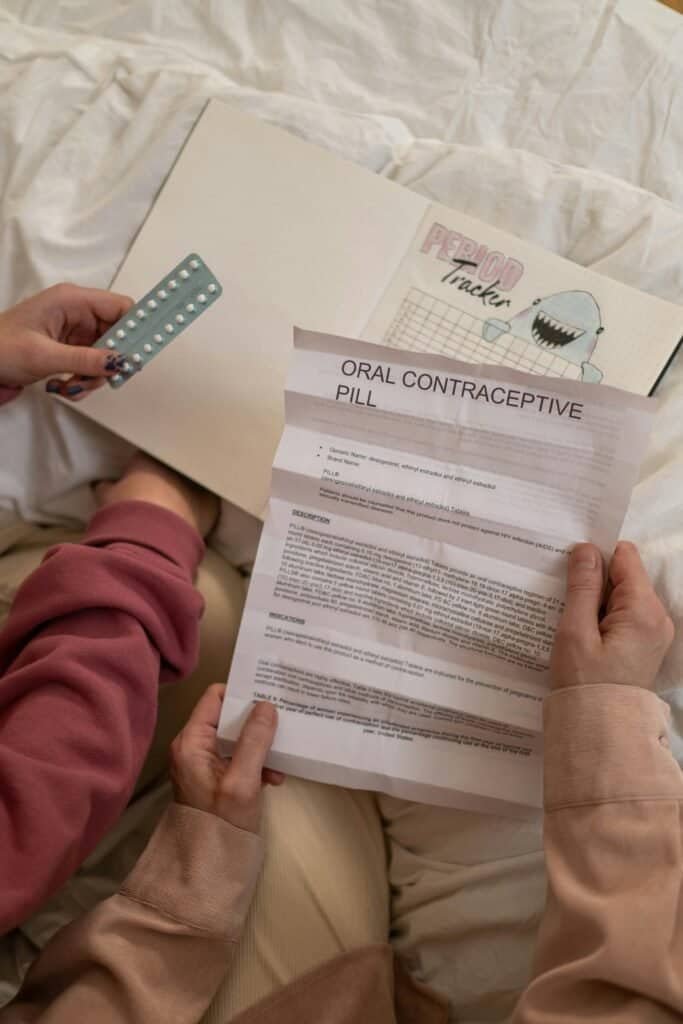
Ten Frequently Asked Questions About Contraceptives
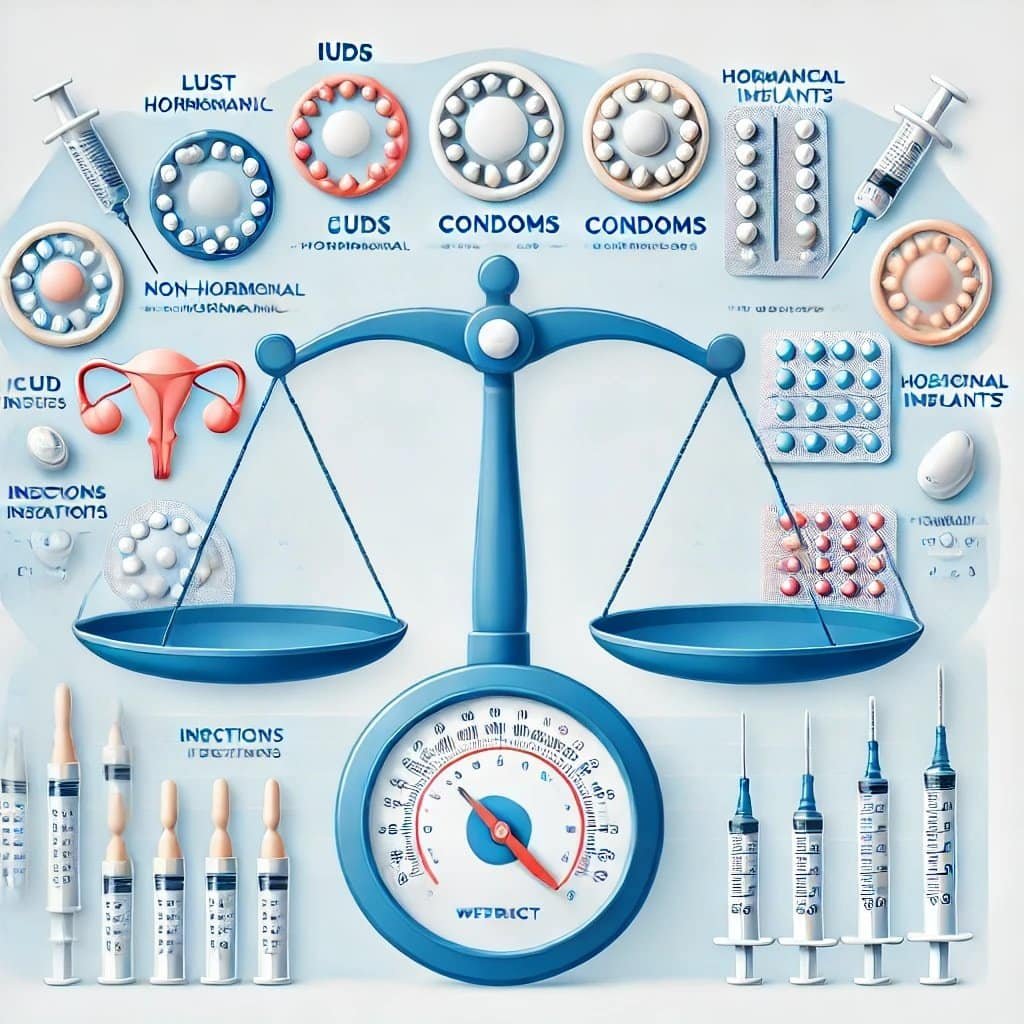
Which Birth Control Causes the Most Weight Gain?
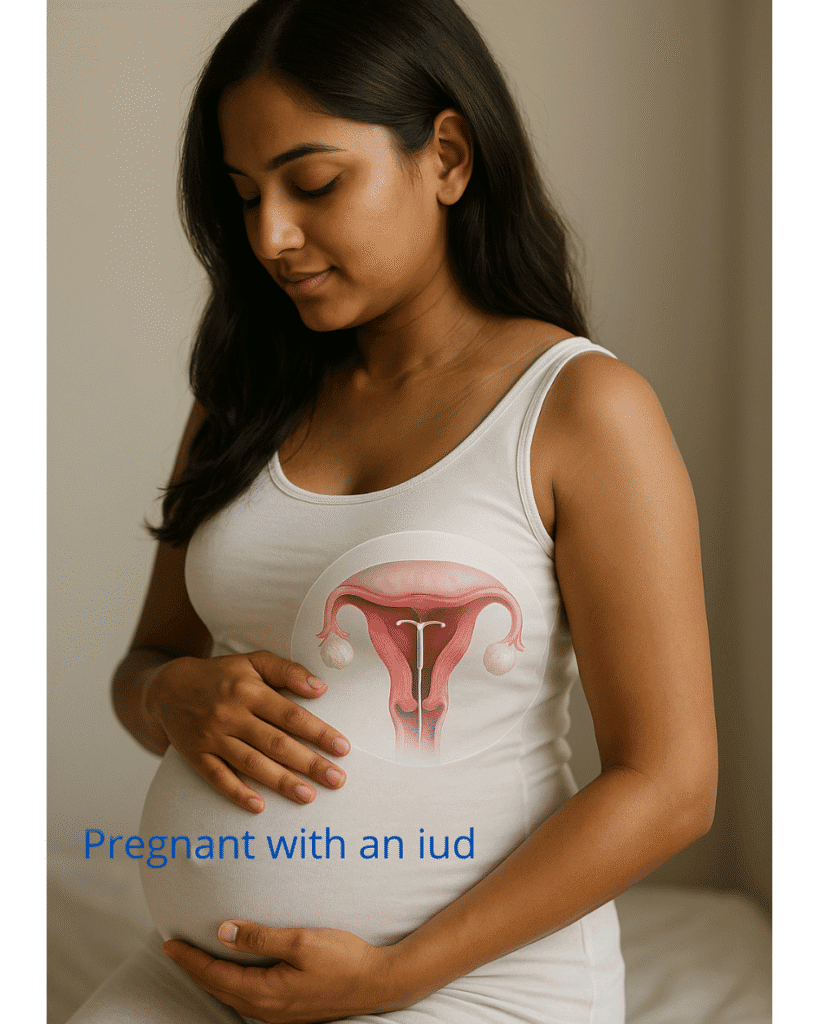
What Happens If You Get Pregnant with an IUD?
Birth Control Options: A Comprehensive Guide
Birth control options encompass a wide range of methods, each designed to prevent pregnancy effectively while accommodating different lifestyle needs and health considerations. This article delves into the various types of contraceptives available, helping you make informed decisions based on their effectiveness, side effects, and how they fit into your personal health regimen.
Understanding Birth Control Options
When choosing a method of birth control, it’s important to consider factors such as convenience, cost, and how they align with your health. Commonly used methods include hormonal pills, intrauterine devices (IUDs), implants, condoms, and sterilization procedures. Each method comes with its own set of advantages and potential side effects, which are crucial to understand before making a decision.
Hormonal Birth Control Options
Hormonal contraceptives, such as the pill, patch, injection, and vaginal ring, are popular because of their high effectiveness rate. They function by altering hormone levels in the body to prevent ovulation. While they are highly effective when used correctly, they require a routine and come with side effects like nausea, weight gain, or mood changes. Moreover, they do not protect against sexually transmitted infections (STIs).
Barrier Methods
Barrier methods include condoms, diaphragms, and cervical caps. These are not only accessible and affordable but also provide the added benefit of protecting against STIs. While male condoms are around 85% effective, female condoms offer a 79% effectiveness rate. They are an excellent choice for people who prefer a non-hormonal approach or need additional protection against infections.
Intrauterine Devices (IUDs)
IUDs are T-shaped devices either wrapped in copper or containing hormones, inserted into the uterus to prevent pregnancy. With a more than 99% effectiveness rate, IUDs are preferred for their long-lasting and reversible contraceptive effects. They can remain effective for up to 10 years, depending on the type. The insertion process is simple, and once in place, there’s no daily maintenance. However, some women may experience cramping or irregular menstrual periods initially.
Implants
Another long-term method is the contraceptive implant, a small rod inserted under the skin of the arm. It releases hormones to prevent pregnancy and is effective for up to three years. The implant is nearly invisible and also more than 99% effective. While it’s a convenient and reliable method, the removal must be done by a healthcare provider.
Natural and Permanent Methods
For those looking for non-invasive options, natural methods such as fertility awareness can be used to track fertile days and avoid unprotected intercourse during these times. However, these require meticulous tracking and are less effective than other methods. On the other hand, permanent methods like tubal ligation or vasectomy offer a one-time solution for those certain they do not want future pregnancies.
Choosing the Right Method for You
Choosing the right contraceptive method involves discussions with healthcare providers to consider the full spectrum of options based on your health, lifestyle, and future family planning goals. Whether you opt for a hormonal method, a physical barrier, or a more permanent solution, understanding each option’s benefits and drawbacks is key to making an empowered decision.
Navigating through the myriad of birth control options can be overwhelming, but with the right information and medical advice, you can find a method that suits your lifestyle and meets your health needs. Always consult with a healthcare provider to get personalized advice and ensure that you choose the most suitable and effective contraceptive method for you.
Join our vibrant community! Join vittafemme.com! Bring your stories and ideas, and let’s inspire each other. Together, we can create something truly amazing. Share your journey with us today!