Tag: anti-müllerian hormone (AMH)

  • What is Ovarian Reserve? How to Test It. Can You Improve Your Egg Quality?

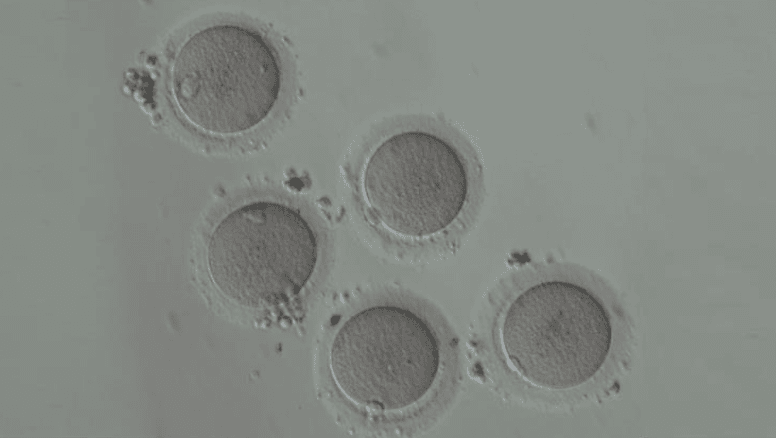
    Microscopic image of multiple eggs retrieved for fertility treatment, representing what is ovarian reserve.

    What Is Ovarian Reserve? Siomara’s Fertility Future

    By Dr Pereira

    What Is Ovarian Reserve? Siomara’s Fertility Future

    Siomara was 30 years old, vibrant, full of plans. She had recently gotten engaged and couldn’t stop smiling. Her wedding would be in the spring, and motherhood was part of her dream—just not yet. “Maybe after 35,” she said casually, brushing off the subject as something far off.

    But when she sat in my office that day, I gently asked a question that made her pause.

    “Siomara, have you ever checked your ovarian reserve?”

    She blinked. “What is ovarian reserve?”

    That single question became a turning point.


    What Is Ovarian Reserve?

    A woman is born with 1 to 2 million eggs, but by the time she reaches puberty, only around 300,000 remain. With each menstrual cycle, several eggs are lost, even though only one typically matures for ovulation. As a woman ages—especially after 30 and more rapidly after 35—her egg count declines. But it’s not just about quantity. Egg quality also diminishes over time.

    So, what is ovarian reserve? It’s a measure of the quantity and quality of eggs left in a woman’s ovaries. And it’s one of the most important indicators of future fertility. Understanding what is ovarian reserve is key for any woman planning her future.

    Why Does It Matter?

    For Siomara, like many women waiting to have children later in life, understanding ovarian reserve is essential. It’s not about panic. It’s about information. Knowledge. Control. Knowing what is ovarian reserve provides a realistic roadmap.


    Why Ovarian Reserve Is So Important

    The concept of ovarian reserve may seem abstract, but its importance is concrete. Here’s why understanding what is ovarian reserve matters:

    • It helps predict natural fertility potential: Women with a strong ovarian reserve are more likely to conceive naturally.
    • It guides fertility treatment planning: If the reserve is low, time-sensitive treatments like egg freezing or IVF may be recommended.
    • It gives insight into menopause timing: While not exact, a diminished ovarian reserve can signal early menopause.

    Low Ovarian Reserve Does Not Mean Infertility

    This is important: having a low ovarian reserve doesn’t mean a woman can’t get pregnant. Many women conceive with a low reserve, especially when guided by a fertility specialist. But it does mean fewer eggs, and potentially lower quality—so timing and strategy become critical. Understanding ovarian reserve means understanding how time impacts your chances. That’s why it’s essential to ask: what is ovarian reserve and how does it apply to me?


    How Do We Test Ovarian Reserve?

    Siomara was surprised to learn that testing ovarian reserve wasn’t difficult. In fact, it can be done with a combination of blood work and an ultrasound. Knowing what is ovarian reserve also means knowing how it’s measured.

    Hormonal Blood Tests

    TestWhat It MeasuresOptimal Range
    Anti-Müllerian Hormone (AMH)Egg supply1.0–4.0 ng/mL
    Follicle Stimulating Hormone (FSH)Ovarian function<10 mIU/mL (Day 3)
    Estradiol (E2)Ovarian response25–75 pg/mL (Day 3)
    Inhibin BFollicle activity>45 pg/mL

    AMH is the most stable marker. It doesn’t fluctuate much during the cycle. FSH and estradiol help give a fuller picture, but they can vary month to month.

    Ultrasound Tests

    • Antral Follicle Count (AFC): Using a transvaginal ultrasound, we count the small resting follicles in each ovary. A higher count (>12) is considered reassuring. A low count (<5) suggests diminished reserve.
    • Ovarian Volume: Larger ovarian size tends to correlate with better reserve.

    When I performed Siomara’s ultrasound that same morning, I quietly counted the follicles. Eight on one side, six on the other. Fourteen in total. A healthy number for her age. That’s the value of understanding ovarian reserve—it allows for timely action.


    Factors That Influence Ovarian Reserve

    The concept of ovarian reserve is dynamic. It’s not the same for everyone, and many variables can affect it. To fully grasp what is ovarian reserve, we must also understand what impacts it.

    1. Aging
    • Natural egg loss accelerates after 30.
    • After 35, both quantity and quality drop faster.
    • Chromosomal abnormalities in eggs increase with age.
    1. Lifestyle
    • Smoking: Toxic to the ovaries. Advances menopause by up to four years.
    • Obesity: Alters hormonal balance and reduces fertility.
    • Excessive alcohol: Lowers AMH and damages DNA in eggs.
    1. Medical Conditions
    • Endometriosis: Can damage ovarian tissue.
    • PCOS: Often presents with high follicle count but poor egg quality.
    • Autoimmune disorders: Can cause premature ovarian failure.
    1. Family History

    If a woman’s mother or sister experienced early menopause, her own reserve may decline sooner than average.

    These insights helped Siomara reflect. Her aunt had menopause at 42. That detail suddenly felt more significant. Another reason why knowing what is ovarian reserve can be so impactful.


    Can You Improve Ovarian Reserve?

    I wish I could promise women like Siomara that a magic pill could increase ovarian reserve. But the truth is:

    • We cannot increase the number of eggs.
    • We cannot reverse aging.

    However, we can protect egg quality, and that makes all the difference. And understanding what is ovarian reserve helps us make these choices wisely.

    What Helps

    • Coenzyme Q10 (CoQ10): May improve mitochondrial function in eggs.
    • Healthy lifestyle: Stop smoking. Eat well. Move your body.
    • Stress reduction: Chronic stress can interfere with hormone levels.
    • Regular screening: Monitoring AMH and AFC over time.

    And most importantly:

    • Fertility preservation.

    That’s what I recommended to Siomara.

    “We can freeze your eggs now while your reserve is healthy. That way, if you decide to wait until after 35, you’ll have better-quality eggs stored.”

    She nodded slowly, absorbing the weight of the information. This was not a scare tactic. This was a gift: foresight. This is why understanding ovarian reserve is a cornerstone of reproductive planning.


    Real Stories, Real Impact: Why Women Are Asking “What Is Ovarian Reserve?”

    Siomara’s case isn’t isolated. Every week, I see women in their late 20s or early 30s who have never heard of the term. Once we explain what is ovarian reserve and how it affects their ability to plan their family in the future, the response is often the same—relief, empowerment, and sometimes a tinge of regret for not knowing sooner.

    Understanding what is ovarian reserve is no longer just for women undergoing fertility treatment. It’s a vital part of reproductive awareness—just like learning about ovulation, contraception, or STIs. It’s the kind of knowledge that can shape life decisions. That’s why more gynecologists, endocrinologists, and wellness professionals are starting conversations earlier, especially with women who plan to delay motherhood.

    There’s a shift happening—women want control. And to gain control, they need education. They need to ask: what is ovarian reserve, and why does it matter to me, now?


    What Is Ovarian Reserve? You Know the Answer

    Siomara’s story is not uncommon. Every day, women are postponing motherhood for valid and empowering reasons—careers, relationships, personal growth. But knowing your body is the most empowering step of all.

    What is ovarian reserve? It’s your window into reproductive health. It allows you to act in time, to explore egg freezing, to protect your dreams. Understanding what is ovarian reserve is the foundation of that journey.

    You don’t need to panic. You just need to plan. And it all starts by understanding ovarian reserve.

    Stay tuned for the next post: Egg Freezing Explained: The Science, Success, and Strategy.

    Would you like to assess your ovarian reserve? Book a consultation today and learn where you stand.

    Share this post and help another woman learn about her fertility future.

    References
    1. American Society for Reproductive Medicine (ASRM). "Ovarian Reserve Testing: What You Need to Know." Fertility and Sterility, 2023. “>American Society for Reproductive Medicine (ASRM). “Ovarian Reserve Testing: What You Need to Know.” Fertility and Sterility, 2023.
    2. Wallace, W.H.B., & Kelsey, T.W. "Human Ovarian Reserve from Conception to Menopause." PLoS ONE, 2010. “>Wallace, W.H.B., & Kelsey, T.W. “Human Ovarian Reserve from Conception to Menopause.” PLoS ONE, 2010.

  • Investigating Infertility: The Most Accurate Tests for Women and Men

    Investigating infertility: Sad couple holding a negative pregnancy test after infertility testing

    Investigating Infertility: A Journey Toward Answers

    They came to my office with tired eyes but hopeful hearts. A couple in their early thirties—Daniela and Marcos—had been trying to conceive for over a year. “We just want to know what’s wrong,” Daniela said. It was the most common sentence I hear from patients like them. And it’s where every story like this begins: with a search for clarity. With investigating infertility.


    When Should You Start Investigating Infertility?

    Timing is everything in fertility. Investigating infertility doesn’t mean rushing into panic; it means knowing when it’s time to look deeper:

    • If a woman under 35 has been trying for 12 months without success.
    • If a woman over 35 has tried for 6 months with no pregnancy.
    • If the menstrual cycle is irregular, painful, or absent.
    • If a man has had previous testicular issues, low libido, erectile dysfunction, or hormonal disorders.
    • If a couple has experienced multiple miscarriages.

    The goal of investigating infertility is to identify problems early enough to act, because fertility is time-sensitive. Each month matters.


    Investigating Infertility: Female Fertility Testing

    For women, the process of investigating infertility involves multiple steps to evaluate hormone levels, ovulation, egg reserve, and reproductive anatomy.

    1. Hormonal Blood Tests

    These are timed with specific days of the menstrual cycle, especially Day 3 and the luteal phase (about a week after ovulation):

    TestWhat It MeasuresIdeal Fertile Range
    Anti-Müllerian Hormone (AMH)Ovarian reserve1.0–4.0 ng/mL
    Follicle-Stimulating Hormone (FSH)Ovarian stimulation<10 mIU/mL on Day 3
    Estradiol (E2)Ovary response25–75 pg/mL on Day 3
    Luteinizing Hormone (LH)Ovulation trigger5–20 mIU/mL on Day 3
    ProgesteroneConfirms ovulation>3 ng/mL in luteal phase
    ProlactinPituitary function2–29 ng/mL
    TSH / T4Thyroid healthTSH: 0.4–4.0 mIU/L

    The balance of these hormones plays a critical role in egg maturation and release. An imbalance can interfere with conception even if periods appear normal.

    1. Ovulation Tracking

    Ovulation can be tracked through:

    • Basal body temperature (BBT) charting
    • Ovulation predictor kits (LH surge detection)
    • Mid-luteal progesterone blood levels

    In some cases, women ovulate without symptoms, and vice versa. That’s why investigating infertility often includes objective confirmation.

    1. Ultrasound Exams

    Transvaginal ultrasound provides visual insights into:

    • Antral follicle count (AFC): the number of resting follicles in both ovaries
    • Ovarian cysts or PCOS signs
    • Uterine structure: fibroids, polyps, congenital anomalies

    The AFC is particularly relevant when combined with AMH to evaluate ovarian reserve.

    1. Fallopian Tube and Uterus Imaging

    Open fallopian tubes are essential for natural conception. The tests include:

    • Hysterosalpingography (HSG): X-ray with contrast dye to assess tubal patency
    • Saline infusion sonography (SIS): ultrasound to evaluate uterine lining
    • Hysteroscopy: direct visualization of the uterine cavity

    Blocked tubes or intrauterine adhesions may require surgical correction before fertility treatment.


    Investigating Infertility: Male Fertility Testing

    It takes two. Investigating infertility means evaluating male factors with equal seriousness.

    1. Semen Analysis

    A simple test, but often revealing. It analyzes:

    • Volume (1.5 mL or more)
    • Sperm count (15 million/mL or higher)
    • Motility (at least 40% should be moving)
    • Morphology (at least 4% normal forms)

    Any abnormalities may indicate the need for lifestyle changes or specialized reproductive techniques like ICSI.

    1. Hormonal Testing for Men

    Key hormones include:

    • Testosterone (300–1000 ng/dL)
    • FSH & LH (1.5–12.4 mIU/mL)
    • Estradiol (10–40 pg/mL)
    • Prolactin (2–18 ng/mL)

    Low testosterone and elevated FSH can point to impaired spermatogenesis. High prolactin may suggest pituitary issues.

    1. Genetic Testing

    For severe sperm issues, tests can detect:

    • Y-chromosome microdeletions
    • Karyotype abnormalities (e.g., Klinefelter syndrome)

    This information helps in determining if sperm retrieval or donor sperm is needed.


    What Comes After Investigating Infertility?

    Once testing is complete, we develop a plan based on the findings. Options include:

    • Lifestyle optimization: weight management, quitting smoking, reducing alcohol, improving sleep.
    • Timed intercourse: using ovulation timing to increase chances.
    • Ovulation induction: medications like clomiphene or letrozole.
    • Intrauterine insemination (IUI): placing prepared sperm directly in the uterus.
    • In vitro fertilization (IVF): combining egg and sperm in a lab, then transferring embryos.

    Investigating infertility isn’t just about diagnoses. It’s the bridge to action, to healing, to hope. For Daniela and Marcos, it meant uncovering a thyroid imbalance and low AMH. With supplements, stress reduction, and a customized IUI cycle, they conceived within six months.

    Their journey wasn’t short. But it started with one step: investigating infertility.

    Why Investigating Infertility Early Matters

    One of the biggest misconceptions I encounter is the idea that fertility is guaranteed until menopause. In truth, a woman’s reproductive potential starts to decline much earlier—often in her early 30s. That’s why investigating infertility proactively, even before a year of trying, can save time, money, and emotional distress.

    Early investigation can uncover hidden issues such as:

    • Silent ovulatory disorders
    • Mild endometriosis
    • Thyroid dysfunction
    • Low ovarian reserve
    • Male factor infertility that shows no symptoms

    In many cases, couples wait too long. They try for years, assuming nothing is wrong, only to discover that a simple intervention could have helped sooner. Investigating infertility is not about fear—it’s about preparation. It’s about owning your timeline before biology makes the decisions for you.


    Lifestyle Factors to Consider When Investigating Infertility

    Fertility is more than just biology—it’s deeply affected by how we live. When we start investigating infertility, we also examine the daily habits that might be quietly affecting reproductive health.

    1. Nutrition and Weight

    • Being significantly underweight or overweight can disrupt ovulation.
    • High sugar intake and insulin resistance can affect hormone balance.
    • Nutrient deficiencies, such as low vitamin D, iron, or omega-3s, may impair fertility in both men and women.

    2. Smoking and Alcohol

    • Smoking is toxic to eggs and sperm, accelerating ovarian aging and reducing sperm count and motility.
    • Alcohol, especially in large quantities, impacts hormone levels and can delay conception.

    3. Stress

    • Chronic stress may not cause infertility, but it can exacerbate underlying conditions like PCOS or hypothalamic amenorrhea.
    • Couples under prolonged stress may also have reduced libido and intimacy, further reducing chances of conception.

    4. Environmental Exposures

    • Endocrine disruptors like BPA (in plastics), phthalates (in cosmetics), and pesticides can affect egg and sperm quality.
    • Investigating infertility sometimes means reevaluating the products we use every day.

    This is why a comprehensive approach matters. When I begin investigating infertility in my clinic, I don’t just look at test results. I ask about lifestyle, habits, routines, and even sleep. Sometimes the answers are found outside the lab.

    Fertility Preservation and Long-Term Thinking

    When investigating infertility, we also assess long-term reproductive health. For example, Siomara, 30, came to us before trying to conceive. She had no symptoms, no partner pressure—just foresight. She wanted to wait until 36 or 37 to become a mother. After a discussion about age-related decline in egg quality and quantity, we tested her AMH and AFC.

    Her ovarian reserve was average, but she chose to freeze her eggs. Investigating infertility helped her make an informed choice and take control of her future.


    Myths and Misunderstandings in Investigating Infertility

    Many couples delay investigating infertility due to myths:

    • “Infertility is always the woman’s fault.” (False. Male factors are involved in 40% of cases.)
    • “If I get my period, I’m fertile.” (Not necessarily. Ovulation might be absent.)
    • “We’re young, so we have time.” (Fertility can decline even in your early 30s.)
    • “You have to try for years before seeing a doctor.” (Early assessment leads to better outcomes.)

    Dispelling these myths is part of educating couples and empowering them to act. Investigating infertility is not giving up; it’s taking charge.


    Emotional and Psychological Impact

    Investigating infertility can be emotionally draining. Each test, each waiting period, each result brings its own wave of anxiety. Couples often struggle in silence, ashamed or afraid to share what they’re going through.

    But the truth is: 1 in 6 couples face infertility.

    Investigating infertility should be seen as a courageous act—an informed and loving step toward building a family. It’s not weakness. It’s strength. It’s advocacy for your future.

    That’s why, in my practice, we include mental health support in every step of the process. Talking to a therapist who specializes in reproductive health can be as healing as any medication.

    Costs are another factor. Not all tests and treatments are covered by insurance. But delaying investigation can make treatments more complex and expensive later. Knowledge is not just power—it’s financial strategy.

    Conclusion: Investigating Infertility Can Change Everything

    Investigating infertility is more than a diagnostic protocol. It is a journey of courage, of partnership, of trust in science and hope in the future. Whether it leads to timed intercourse, IUI, IVF, egg freezing, or even adoption, the first step remains the same: seeking answers.

    No couple should feel alone or ashamed of seeking help. Investigating infertility gives voice to unspoken pain and light to the unknown. It helps transform tears of confusion into tears of joy.

    If you’re wondering when to begin—start now. Investigating infertility might be the most important decision you ever make.


    References

    Eekelen, R. van, et al. "Natural Conception: Repeated Predictions Over Time." Human Reproduction, Vol.32, No.2, 2017, pp. 346–353. DOI:10.1093/humrep/dew309. “>2. Eekelen, R. van, et al. “Natural Conception: Repeated Predictions Over Time.” Human Reproduction, Vol.32, No.2, 2017, pp. 346–353. DOI:10.1093/humrep/dew309​.

    . Barreto, N.C.N. “Predição do Sucesso de Gestação Utilizando Algoritmos de Machine Learning Após Procedimentos de Fertilização In Vitro.” Universidade Federal de Minas Gerais, Programa de Pós-Graduação em Análises Clínicas e Toxicológicas, 2021​.

    5. March 17, 2025