Tag: menopause and aging

  • Generations of Epigenetic Clocks Now Reveal Your True Biological Age

    The Alarming Science Behind Alzheimer’s, Frailty, and Longevity
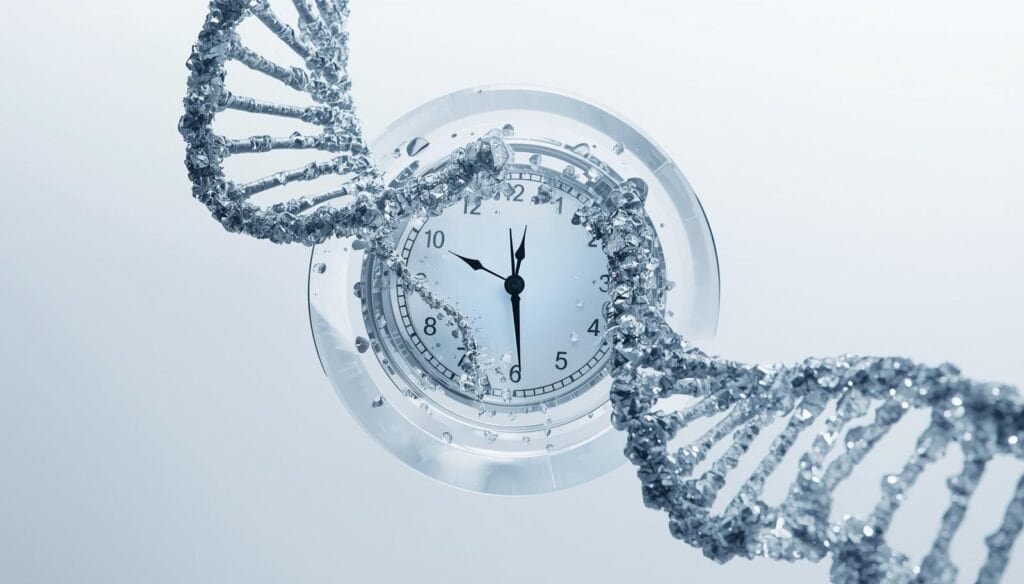
    Epigenetic Clocks

    Epigenetic clocks biological age measurement is one of the most significant developments in longevity science of the past decade — and four landmark papers published between 2025 and 2026 have now synthesized what this technology can actually tell us about who will develop Alzheimer’s disease, who will become frail, and who will live longer. The findings are both extraordinary and sobering. Your DNA holds a biological timestamp that may diverge from your birth certificate by years, and that divergence could be one of the most important numbers in your health story.
    Understanding what epigenetic clocks are, what they can and cannot do, and how they apply specifically to the female body is no longer a question only for researchers. It is a question for every woman who wants to take her longevity seriously.


    What Epigenetic Clocks Biological Age Research Is Actually Measuring


    Every cell in your body contains DNA, and wrapped around that DNA is an epigenetic layer — chemical modifications that do not change the genetic sequence but dramatically influence which genes are turned on and which are silenced. The most studied of these modifications is DNA methylation: the addition of a methyl group to specific sites in the genome called CpG dinucleotides.
    As you age, these methylation patterns change in predictable ways. Some regions of the genome become progressively demethylated, while others accumulate methylation that silences genes previously active in youth. Scientists discovered that by analyzing the methylation levels at a carefully chosen set of these sites, they could build mathematical models capable of predicting a person’s age with remarkable accuracy — and even more importantly, of predicting health outcomes that chronological age alone cannot capture.
    Think of it this way: chronological age tells you how many times the Earth has orbited the Sun since you were born. Epigenetic clocks biological age tells you how worn the machinery inside your cells actually is. Two women can be exactly 52 years old and have biological ages of 46 and 61 respectively. Those seven or fifteen years of difference, invisible to a birth certificate, are written clearly in their methylation patterns — and they carry real consequences for cognitive health, frailty risk, cardiovascular function, and longevity.


    The Four Generations of Epigenetic Clocks — and Why the Generation Matters


    Not all epigenetic clocks are equal, and understanding the generations matters enormously for interpreting what these tools can actually predict.
    The first-generation clocks, developed by Horvath in 2013 and Hannum shortly after, were trained primarily to predict chronological age. Horvath analyzed 353 CpG sites across 51 different tissue types. Hannum used 71 biomarkers in blood samples. These clocks are extraordinarily accurate at predicting how old you are in calendar years — so accurate, in fact, that their errors tell you something important. When a clock assigns you a biological age significantly higher or lower than your chronological age, that discrepancy, called age acceleration, becomes a biomarker of health risk. The limitation is that a perfectly calibrated first-generation clock would be useful for forensics but meaningless for health prediction — a paradox recognized by researchers as the biomarker paradox.
    Second-generation clocks, principally PhenoAge and GrimAge, resolved this problem by training on health outcomes rather than calendar years. PhenoAge was built from 513 CpG sites combined with 10 clinical biomarkers including albumin, creatinine, glucose, and C-reactive protein. GrimAge was designed around DNA methylation surrogates for health-related plasma proteins, smoking history, sex, and chronological age. Because these clocks were calibrated against all-cause mortality, they predict biological deterioration with clinical relevance. GrimAge in particular has shown consistent associations across multiple independent studies with cardiovascular disease, cognitive decline, frailty, and all-cause mortality.
    Third-generation clocks, represented by DunedinPACE, introduced a conceptual shift: rather than measuring where you are biologically, they measure how fast you are aging. DunedinPACE tracks 19 biomarkers of health status over time and distills them into a single number representing your pace of biological aging per chronological year. A DunedinPACE score above 1.0 means you are aging faster than average. Research across three independent cohorts has shown that a faster DunedinPACE is consistently associated with lower total brain volume, smaller hippocampal volume, and a thinner cerebral cortex — structural brain changes that precede cognitive decline by years.
    Fourth-generation clocks, the most recent development, attempt to move beyond correlation and toward causality. Tools like CausalAge, AdaptAge, and DamAge use Mendelian randomization to identify CpG sites that are causally linked to the aging process rather than merely associated with it — distinguishing the drivers of aging from its passengers.


    Epigenetic Clocks Biological Age and the Alzheimer’s Connection


    The research linking epigenetic clocks biological age to Alzheimer’s disease is among the most clinically significant in this field. A comprehensive review published in Genes in 2025 synthesized over a decade of studies applying epigenetic clocks to blood and brain tissue from Alzheimer’s patients, and the picture that emerges is both consistent and urgent.
    Accelerated epigenetic aging has been observed in the dorsolateral prefrontal cortex — one of the first regions affected by Alzheimer’s pathology — where it correlates with amyloid plaque burden, neurofibrillary tangle density, and measurable declines in episodic memory and global cognitive functioning. Each additional year of epigenetic age acceleration in prefrontal cortex tissue was associated with a measurable drop in global cognitive function, confirming that biological aging in the brain is not merely a reflection of disease but an active contributor to its progression.
    The DunedinPACE clock, which measures the pace of biological aging from blood samples, has shown particularly striking results. In a study of 2,322 participants across three cohorts, faster DunedinPACE was associated with reduced total brain volume, smaller hippocampal volume, and thinner cerebral cortex — in people who had not yet been diagnosed with dementia. The hippocampus is the brain structure most critical for memory formation and among the first damaged in Alzheimer’s disease. Structural changes there measured years before symptoms clinically present represent exactly the kind of early warning signal that precision medicine needs.
    GrimAge has demonstrated a causal genetic link with Alzheimer’s disease. A large-scale genome-wide association study identified a shared genetic variant — rs78143120 — associated with both GrimAge age acceleration and Alzheimer’s disease risk, along with a second variant linked to both Alzheimer’s and exceptional longevity. This is not merely correlation: these findings suggest shared biological pathways between epigenetic aging and neurodegeneration.


    What GrimAge and Frailty Research Reveals About Women


    A systematic review and meta-analysis published in The Lancet Healthy Longevity in 2025 analyzed 24 studies encompassing 28,325 participants to examine the relationship between DNA methylation clocks and frailty. Frailty — the multisystem physiological decline that increases vulnerability to falls, hospitalization, disability, and mortality — is one of the most important yet underdiagnosed conditions in aging women.
    The findings were clear: higher GrimAge epigenetic age acceleration is consistently and significantly associated with higher frailty in cross-sectional analyses, and higher baseline GrimAge EAA prospectively predicts greater increases in frailty over time. This is a longitudinal signal, meaning that a woman’s GrimAge score today predicts not just how frail she currently is, but how much more frail she will become.
    The mechanism appears to run through chronic inflammation. GrimAge incorporates methylation surrogates for inflammatory proteins including PAI-1 and C-reactive protein, and higher GrimAge EAA is associated with elevated interleukin-6, CRP, and tumor necrosis factor — all markers of the persistent low-grade inflammatory state called inflammaging, which is now recognized as a central driver of frailty pathogenesis. For women navigating the hormonal transition of perimenopause and post-menopause, when estrogen’s anti-inflammatory protection declines sharply, this inflammatory burden becomes particularly consequential.
    First-generation clocks like the Horvath clock were not significantly associated with frailty, reinforcing the now well-established principle that clocks trained only on chronological age miss the health-relevant biology that second-generation clocks capture. The biological complexity of frailty — spanning inflammation, muscle mass, cognitive reserve, cardiovascular function, and metabolic health — requires biomarkers trained on outcomes, not timestamps.


    AI-Powered Deep Aging Clocks — The Next Frontier


    Epigenetic clocks biological age science is undergoing a transformation driven by artificial intelligence. A major review published in Ageing Research Reviews in 2025 mapped the landscape of what researchers now call deep aging clocks — biological age estimators built on deep neural networks rather than classical linear regression models.
    The first deep aging clock emerged in 2016 from the Zhavoronkov group, using deep neural networks trained on 46 blood markers from over 62,000 individuals. Unlike linear models, deep neural networks can capture non-linear interactions between biomarkers — the kinds of complex relationships that standard statistical approaches cannot detect. Since then, deep clocks have expanded across every biological data type: DNA methylation (DeepMAge, AltumAge), gene expression (transcriptomic clocks), gut microbiome composition, metabolomics, proteomics, and even retinal photography.
    The retinal clocks deserve particular attention. RetinalAge, EyeAge, and RetiAGE use deep learning applied to photographs of the retina — a non-invasive, inexpensive, and extraordinarily accessible data source. An increase of just one year in the retinal age gap was associated with a 2% increase in all-cause mortality risk and a 3% increase in cause-specific mortality. The eye, as researchers note, preserves the brain’s structure and functionality. The retina is essentially a window into neurological aging.
    For women, the practical implication of deep aging clocks is significant: in the near future, a retinal photograph taken during a routine ophthalmology appointment could yield a biological age estimate with prognostic value for dementia, cardiovascular disease, and frailty risk. The convergence of AI precision with non-invasive measurement is rapidly making these tools accessible beyond research settings.


    The Critical Limitations That Every Woman Should Understand


    A perspective published in NPJ Aging in 2026 raises essential questions about epigenetic clocks biological age that deserve honest consideration. The authors argue that most aging clocks provide point estimates without confidence intervals — a significant problem. Unlike a blood pressure monitor that reports measurement error, an aging clock that says your biological age is 58 cannot currently tell you whether that number has an uncertainty range of plus or minus 3 years or plus or minus 12 years.
    The practical implication is important: epigenetic clocks should not currently be used for individual clinical decision-making in the way a cholesterol test or a mammogram is used. Their validated strength lies in population-level research and in identifying groups most at risk, rather than in generating precise individual prescriptions. A clock trained on predominantly white, European-ancestry blood samples may perform less accurately in women of African, Latin American, or Asian heritage — a limitation that the field is actively working to address.
    The concept of staying within the domain of a clock’s training is also critical. A clock trained on adult human blood samples should not be applied to radically different biological contexts and expected to yield meaningful results. The precision of epigenetic clocks biological age measurement is real and growing, but it operates within validated boundaries that require transparency.


    6 Evidence-Based Strategies Women Can Apply Today


    Epigenetic clocks biological age is not a fixed destiny. The same research that documents age acceleration also documents its reversibility. DNA methylation patterns are chemically modifiable, which means the lifestyle factors that drive epigenetic aging are also the leverage points for slowing it.
    Chronic inflammation is the central mechanism linking accelerated epigenetic aging to Alzheimer’s disease, frailty, and mortality. Every behavior that reduces systemic inflammation also reduces the rate at which your biological clock advances. Anti-inflammatory nutrition — olive oil, fatty fish, leafy greens, berries, nuts — has measurable epigenetic effects. Time-restricted eating aligned with your circadian rhythm reduces the metabolic inflammation that GrimAge captures.
    Physical activity consistently reduces epigenetic age acceleration. The dose-response relationship is real: 45 to 60 minutes of moderate-to-vigorous activity daily over sustained periods produces measurable reductions in biological age biomarkers. Muscle mass preservation through resistance training is especially important for women post-menopause, when the hormonal signals that maintain muscle decline and frailty risk accelerates.
    Sleep quality directly influences DNA methylation. The glymphatic system — the brain’s overnight cleaning mechanism — removes the amyloid and tau proteins associated with Alzheimer’s during deep sleep. Seven to nine hours of consistent, high-quality sleep is not a lifestyle preference. It is an epigenetic intervention.
    Social engagement and cognitive stimulation have documented effects on epigenetic age. Frequent, high-quality social interaction, learning new skills, playing instruments, and engaging in intellectually demanding leisure activities are all associated with reduced rates of cognitive decline and, importantly, with the biological markers that epigenetic clocks measure.
    Stress reduction acts directly on the methylation pathways that GrimAge captures. Chronic psychological stress accelerates biological aging through cortisol-mediated inflammation. Practices that reduce the hypothalamic-pituitary-adrenal stress axis activation — meditation, time in nature, consistent rest, boundaries at work — are not soft wellness interventions. They are epigenetic medicine.
    Finally, avoiding smoking is arguably the single most powerful epigenetic intervention available. GrimAge incorporates a DNA methylation surrogate for smoking-pack-years, and the biological aging effect of smoking is measurable and substantial. A deep learning blood-based aging clock demonstrated that smokers show significantly higher biological ages than non-smokers — a difference captured even before any clinical disease appears.


    The Bottom Line on Epigenetic Clocks Biological Age and Women’s Longevity


    The science is clear and the message is unambiguous: your biological age — measured through the lens of DNA methylation — is one of the most powerful predictors of cognitive decline, frailty, cardiovascular risk, and longevity currently available in medicine. It is not identical to your chronological age, and that difference is not random. It reflects decades of accumulated exposures: the quality of your sleep, the food you eat, your inflammatory burden, your stress levels, your physical activity, and factors beyond individual control including hormonal transitions, socioeconomic conditions, and structural inequities.
    For women, the epigenetic aging story is inseparable from the hormonal story. The post-menopausal years are precisely when GrimAge acceleration tends to accelerate, when frailty risk rises most sharply, and when the inflammatory environment that drives Alzheimer’s pathology becomes most active. Understanding your biological age is not about generating anxiety — it is about understanding where your leverage is and acting on it with precision, while the window for intervention is still open.
    The next decade of longevity medicine will almost certainly include routine biological age assessment from blood or retinal imaging as a standard clinical tool. The women who understand this science now are already ahead.


    References


    Cerantonio A, Greco BM, Citrigno L, et al. Epigenetic clocks and their prospective application in the complex landscape of aging and Alzheimer’s disease. Genes. 2025;16:679. https://doi.org/10.3390/genes16060679


    Tay JH, Barros D, Wang W, Wazny VK, Maier AB. Biological age measured by DNA methylation clocks and frailty: a systematic review and meta-analysis. Lancet Healthy Longev. 2025;6:100773. https://doi.org/10.1016/j.lanhl.2025.100773


    Srour L, Bejaoui Y, She J, Alam T, El Hajj N. Deep aging clocks: AI-powered strategies for biological age estimation. Ageing Res Rev. 2025;112:102889. https://doi.org/10.1016/j.arr.2025.102889


    Kriukov D, Efimov E, Gelfand MS, Moskalev A, Khrameeva EE. Do we actually need aging clocks? npj Aging. 2026;12:15. https://doi.org/10.1038/s41514-025-00312-2


    Horvath S. DNA methylation age of human tissues and cell types. Genome Biol. 2013;14:R115. https://doi.org/10.1186/gb-2013-14-10-r115


    Lu AT, Quach A, Wilson JG, et al. DNA methylation GrimAge strongly predicts lifespan and healthspan. Aging. 2019;11:303–327. https://doi.org/10.18632/aging.101684


    Levine ME, Lu AT, Quach A, et al. An epigenetic biomarker of aging for lifespan and healthspan. Aging. 2018;10:573–591. https://doi.org/10.18632/aging.101414


  • 10 Urgent Hours Your Brain Demands Every Day — The Alarming Truth About Time Poverty and Brain Health

    time poverty and brain health

    Time poverty and brain health share a relationship that modern medicine has been slow to name. Every morning when the alarm goes off before the body is ready, every lunch eaten in front of a screen, every evening walk cancelled to answer one more email, something quieter than a symptom and more dangerous than a bad habit is happening inside the brain. According to a landmark personal view published in The Lancet Healthy Longevity in October 2025, time itself is an active social determinant of brain health — as important as education or income in shaping who develops dementia and who does not.
    The researchers, led by Dr. Susanne Röhr at the Centre for Healthy Brain Ageing at the University of New South Wales in Sydney, introduce a concept they call temporal inequity: the unequal distribution and control of time across individuals and groups, shaped not by personal choices but by structural conditions. Understanding time poverty and brain health through this lens changes everything about how we think of dementia prevention.


    What Time Poverty and Brain Health Research Is Actually Telling Us


    The Lancet Commission on Dementia Prevention, Intervention and Care — updated in 2024 — identified 14 modifiable risk factors associated with developing dementia across the lifespan. These include poor education in early life; hearing loss, traumatic brain injury, hypertension, diabetes, high cholesterol, excessive alcohol consumption, physical inactivity, depression, smoking, and obesity in midlife; and social isolation, air pollution, and untreated vision loss in later life. Addressing all of them could theoretically prevent up to 45% of dementia cases worldwide — a potential that remains, in the authors’ own words, largely unrealised.
    Here is what the commission did not address: nearly every single one of those risk factors requires time to manage. You need time to exercise regularly. Time to sleep seven or more hours. Time to prepare nutritious meals. Time to maintain meaningful social connections. Time to attend medical appointments, manage chronic conditions, and engage in cognitively stimulating activities. Time poverty and brain health are therefore inseparable — because the behaviors proven to reduce dementia risk are, at their core, time-dependent.
    Think of it this way: imagine your brain is a city. The roads, bridges, water systems, and electrical grids all require regular maintenance. Dementia prevention guidelines essentially hand you the maintenance manual. But what the manual does not mention is that the maintenance work takes ten hours every day — and in many neighborhoods, the maintenance crews are working three other jobs.


    Your Brain Needs at Least 10 Hours of Care Daily — and That Is the Minimum


    Time poverty and brain health collide most starkly when you add up what evidence-based guidelines actually recommend for cognitive protection. The numbers are uncomfortable.
    Sleep comes first. The National Sleep Foundation and the American Academy of Sleep Medicine recommend 7 to 9 hours per night for adults under 65 and 7 to 8 hours for those over 65. Regularly sleeping fewer than 7 hours is associated with diabetes, depression, heart disease, hypertension, and stroke — all of which are independent dementia risk factors. More directly, insufficient sleep impairs immune function, increases susceptibility to neuroinflammation, and compromises the glymphatic system — the brain’s overnight cleaning crew that removes toxic metabolic waste, including amyloid proteins associated with Alzheimer’s disease.
    Physical activity is next. The WHO 2020 guidelines recommend 150 to 300 minutes of moderate-intensity aerobic exercise per week. But for cognitive outcomes specifically, research points to approximately 45 to 60 minutes of moderate-to-vigorous activity per day over prolonged periods as the dose most associated with meaningful improvements in cognitive performance. The dose-response relationship is real: more, done consistently, matters more.
    Nutrition requires time that most people simply do not allocate. Evidence supports at least 20 to 30 minutes per meal — not merely for digestion but because rushed, fragmented, and irregular eating disrupts circadian alignment. Near-continuous eating, which has become the norm in many high-income countries where food consumption now occurs almost throughout the entire 24-hour period, has been associated with elevated risks of cardiovascular disease, diabetes, obesity, depression, and cognitive disorders. In countries with strong food cultures, people spend over 2 hours daily on meals. In fast-food-dominant cultures like the United States and Canada, that number falls to roughly 1 hour or less. Time poverty and brain health are written into the difference.
    Social engagement rounds out the picture. Frequent, high-quality social interaction is one of the most robust protective factors against cognitive decline ever identified. One landmark long-term study found that frequent social activity was associated with a 70% reduction in the rate of cognitive decline compared to infrequent social engagement. Daily social contact is consistently associated with better survival. Yet in-person social time has declined significantly as screen time has increased — a trade-off that is not neurologically neutral.
    Add it up: 7 hours of sleep, 45 to 60 minutes of physical activity, at least 90 minutes across three meals, and 1 hour of meaningful social engagement. You reach a minimum of 10 hours per day devoted purely to brain care — before work, commuting, caregiving, personal hygiene, cooking, cleaning, or any of the other obligations of a functioning adult life. For hundreds of millions of people around the world, that 10-hour window does not exist. That is what time poverty looks like as a brain health crisis.


    Who Bears the Heaviest Burden of Time Poverty and Brain Health Inequity


    Time poverty and brain health inequities fall disproportionately on those who already carry the heaviest structural loads.
    Women face what researchers describe as the second shift — performing a disproportionate share of unpaid caregiving and domestic work alongside paid employment, often in roles with low schedule control and high exposure to precarity. Night-time caregiving fragments sleep. Extended days leave no room for physical activity. Rushed meals replace home cooking. Social life contracts. Chronic stress escalates. Each of these mechanisms independently harms the brain. Together, they accumulate across decades. The researchers note that women — particularly single mothers, low-income women, migrant women, and women in low- and middle-income countries — face the most acute time poverty of all, with the fewest compensating resources.
    Low-wage workers across all demographics face unpredictable schedules, multiple jobs, long commutes, and almost no access to the time-saving infrastructure — affordable childcare, flexible arrangements, food delivery — that higher-income workers can purchase. Shift workers suffer what chronobiologists call social jetlag: a chronic misalignment between their biological clock and their social schedule, with documented consequences for sleep architecture, immune function, metabolic regulation, and cognitive performance.
    In low- and middle-income countries, where the projected growth in dementia cases over the coming decades is most severe, time poverty is compounded by infrastructure deficits — long commutes, queuing for services, digital divides that eliminate time-saving options, and older adults who continue manual labor well into old age without access to pensions, social protection, or structured leisure. Time poverty and brain health inequity are not first-world problems. They are global emergencies with the greatest consequences in the most vulnerable communities.


    The Digital Time Paradox — When Technology Makes Things Worse


    Time poverty and brain health have gained a new and complicated dimension in the age of digital quantification. Smartwatches now track sleep stages. Apps measure heart rate variability. Glucose monitors provide real-time metabolic data. The promise is empowerment: take control of your health with granular, objective data.
    But the same technologies that monitor our wellbeing can actively undermine it. Constant connectivity erodes the boundary between work and rest. Algorithmic platforms are designed to capture and hold attention indefinitely. The culture of biohacking — using digital tools to optimize every biological parameter — risks reinforcing what the researchers call the neoliberal temporal paradox: the demand to be constantly busy, constantly productive, constantly optimizing, even during the time that was supposed to belong to recovery.
    Constant self-tracking can increase health anxiety, create digital perfectionism, and diminish the kind of intuitive, embodied bodily awareness that supports genuine rest. When optimizing rest becomes another task on the to-do list, the rest stops being restful. Time poverty and brain health cannot be solved by adding more data to an already overloaded system.
    France, Belgium, and Ireland have responded with right-to-disconnect laws — legislation that gives workers the legal right to ignore work communications outside of work hours without penalty. These are the first serious policy acknowledgments that time poverty and brain health require structural intervention, not just individual apps.


    The Hidden Science of Circadian Alignment and Brain Protection


    One of the most compelling threads running through time poverty and brain health research is the role of circadian alignment — the synchronization of biological rhythms with environmental cues. Think of your circadian system as your body’s operating system: it regulates cortisol production in the morning, insulin sensitivity across the day, melatonin release at night, and the memory consolidation processes that occur during deep sleep. When industrial or digital schedules override this system through shift work, erratic meal timing, blue-light exposure, or perpetual social demands, the consequences cascade through every organ system.
    The disruption of circadian alignment has been associated with increased risk of cardiovascular disease, metabolic dysfunction, depression, and cognitive impairment. And importantly, restoring alignment — through consistent sleep timing, time-restricted eating, morning light exposure, and regular physical activity — has measurable benefits for brain function.
    Emerging research on indigenous and traditional temporal frameworks adds a fascinating dimension. Communities organized around natural rhythms — light-dark cycles, seasonal practices, communal rituals, and intergenerational storytelling — may carry neuroprotective patterns embedded in their daily structures. Temporal sovereignty, the collective right to live according to one’s own rhythms rather than those imposed by industrial capitalism, is now being seriously explored as a brain health resource. Time poverty and brain health cannot be separated from the history of how time was colonized, commodified, and compressed.


    6 Evidence-Based Strategies to Protect Brain Health When Time Is Scarce


    Time poverty and brain health challenges have both structural and individual entry points. While systemic change is essential, these strategies are grounded in the evidence reviewed by the Lancet researchers.
    Treat sleep as a non-negotiable medical intervention. No supplement, biohack, or cognitive training program compensates for chronic sleep deprivation. Seven to nine hours per night is not a luxury. It is the minimum operating condition for a functional brain. Guard it.
    Stack brain-protective activities intelligently. A walk with a friend outdoors combines moderate physical activity, social engagement, natural light exposure, and stress reduction — four brain health essentials in a single hour. This is not harmful multitasking; it is temporal efficiency in service of wellbeing.
    Reclaim meals as rituals rather than logistics. Even a 20-to-30-minute technology-free lunch eaten at consistent times across the week is a meaningful intervention for circadian alignment, metabolic health, and stress reduction. Shared meals carry additional social and emotional benefits that extend beyond nutrition.
    Invest in micro-activity consistently. Research demonstrates that even 10-minute bouts of moderate physical activity yield measurable improvements in attentional control and autonomic regulation. A 10-minute walk after dinner is not a compromise. It is a genuine neurological investment. Do it every day.
    Limit passive screen leisure. The American Time Use Survey reports that the average American spends 2.7 hours per day watching television during leisure time — compared to 34 minutes socialising, 22 minutes playing games, and just 19 minutes in physical activity. Rebalancing leisure toward cognitively stimulating or socially engaged activities is one of the most accessible forms of dementia risk reduction available.
    Advocate for structural time. Push for flexible work arrangements, predictable scheduling, the right to disconnect, and urban design that reduces commuting. Time poverty and brain health are not only personal projects. They are public health priorities that require policy, not just willpower.


    The Quiet Revolution — Why Time Poverty and Brain Health Demand Justice, Not Just Advice


    There is a moment in this Lancet paper where the science becomes political. The researchers write plainly: current brain health frameworks assume that time is abundant, flexible, and personally controllable — and those assumptions do not hold for most people.
    Telling a shift-working caregiver to exercise 60 minutes daily, sleep 8 hours, cook fresh meals, maintain an active social life, and track her cognitive performance is not health advice. It is a prescription that requires the very resources she was never given. Time poverty and brain health are inseparable from the structures that determine who has time and who does not.
    The paper calls for temporal justice — the principle that equitable access to time is essential for fair brain health outcomes, in the same way that equitable access to food, education, or healthcare is essential. This means four-day work weeks with cognitive outcome research to back them. It means 20-minute neighborhoods where daily services are accessible by foot, eliminating commuting as a tax on health. It means universal affordable childcare, caregiver leave, predictable scheduling rights, and community infrastructure that co-locates the services people need.
    It also means rethinking what good time looks like. Brain health thrives not only on productive time but on restorative time — unstructured hours in nature, creative absorption, slow movement, communal rituals, and what the researchers call propitious pauses. Time that cannot be measured. Time that defies optimization. Time that may be the most neuroprotective resource of all.


    Time Poverty and Brain Health — The Bottom Line


    Your brain is not failing you. In many cases, your schedule is.
    Time poverty and brain health are linked through one of the most democratically named yet profoundly unequal resources in human life: the 24 hours we all technically share. Understanding this link is not an excuse for inaction. It is an invitation to both personal strategy and collective accountability.
    The science is unambiguous: your brain needs sleep, movement, nourishing meals, meaningful connection, and restorative rest — and all of them require time. Some of that time you can reclaim through individual choices. But much of it can only be restored through the structures and policies that govern how work is organized, how cities are built, and how caregiving is distributed.
    The Lancet’s message is as clear as it is urgent: reducing dementia risk is not only about promoting healthy behaviors. It is about ensuring that the time and conditions to adopt and sustain those behaviors actually exist — for everyone.


    References:


    Röhr S, Reppermund S, Matison A, Samtani S, Sachdev PS. Making time for brain health: recognising temporal inequity in dementia risk reduction. Lancet Healthy Longev. 2025;6:100768. doi.org/10.1016/j.lanhl.2025.100768


    Livingston G, et al. Dementia prevention, intervention, and care: 2024 report of the Lancet standing Commission. Lancet. 2024;404:572–628. doi.org/10.1016/S0140-6736(24)01296-0


    Bull FC, et al. World Health Organization 2020 guidelines on physical activity and sedentary behaviour. Br J Sports Med. 2020;54:1451–1462. doi.org/10.1136/bjsports-2020-102955


    Watson NF, et al. Recommended amount of sleep for a healthy adult: a joint consensus statement. Sleep. 2015;38:843–844. doi.org/10.5665/sleep.4716


    Raichlen DA, et al. Sedentary behavior and incident dementia among older adults. JAMA. 2023;330:934–940. doi.org/10.1001/jama.2023.15231


    James BD, Wilson RS, Barnes LL, Bennett DA. Late-life social activity and cognitive decline in old age. J Int Neuropsychol Soc. 2011;17:998–1005. doi.org/10.1017/S1355617711000531

  • Understanding Menopause: A Comprehensive Guide

    Woman experiencing hot flashes during menopause, representing symptoms covered in a comprehensive menopause guide.

    Menopause Guide: What is Menopause?

    Menopause occurs when a woman has not had a menstrual period for 12 consecutive months. It usually happens between ages 45 and 55, with the average onset around 51. However, some women experience early or late menopause due to genetics, medical conditions, or lifestyle factors. The years leading up to menopause, called perimenopause, can bring significant hormonal fluctuations and a variety of symptoms that impact daily life.

    During this transition, women may experience irregular periods, night sweats, mood swings, difficulty sleeping, vaginal dryness, and decreased libido. These changes can affect both physical and emotional well-being. Understanding the stages and what to expect can help reduce fear or confusion. A reliable menopause guide can offer valuable support during this time—providing evidence-based information, symptom tracking, and practical tips for relief. By staying informed and proactive, women can approach this natural life phase with confidence, clarity, and a renewed focus on self-care. This menopause guide will provide you with the knowledge, tools, and support you need to feel empowered, informed, and in control of your health every step of the way.

    Stages of Menopause

    1. Perimenopause – The transition phase before menopause, characterized by irregular menstrual cycles and fluctuating hormone levels. It can last anywhere from a few months to over a decade.
    2. Menopause – The official point when a woman has gone a full year without a menstrual cycle.
    3. Postmenopause – The years following menopause when symptoms may continue, and long-term health risks such as osteoporosis and heart disease increase.  

    Menopause Guide: Common Symptoms

    The decline in estrogen and progesterone levels can cause various physical and emotional symptoms, including:

    • Hot Flashes and Night Sweats – Sudden feelings of heat, flushing, and excessive sweating, especially at night.
    • Mood Swings and Anxiety – Changes in hormone levels may contribute to irritability, depression, and heightened anxiety.
    • Sleep Problems – Insomnia, difficulty staying asleep, or frequent nighttime waking.
    • Vaginal Dryness and Discomfort – Lower estrogen levels can lead to dryness, irritation, and painful intercourse.
    • Weight Gain and Metabolic Changes – Hormonal shifts can slow metabolism, leading to increased abdominal fat.
    • Bone Density Loss – Reduced estrogen increases the risk of osteoporosis and fractures.
    • Cognitive Changes – Memory lapses, brain fog, and trouble concentrating.

    Menopause Guide: Diagnosis

    Menopause is typically diagnosed based on symptoms and medical history. However, certain tests can help confirm hormonal changes:

    • Follicle-Stimulating Hormone (FSH) Test – High FSH levels indicate declining ovarian function.
    • Estradiol Test – Measures estrogen levels, which decrease during menopause.
    • Thyroid Function Tests – Rule out thyroid disorders, which can cause similar symptoms.
    • Bone Density Scan (DEXA Scan) – Assesses the risk of osteoporosis.

    Menopause Guide: Managing Symptoms

    1. Lifestyle Changes

    • Healthy Diet: A balanced diet rich in calcium, vitamin D, and lean protein supports bone health and energy levels. Eat a plant-rich diet with antioxidants, fiber, and low processed sugar. Maintain a healthy weight.
    • Regular Exercise: Strength training, yoga, and aerobic activities help maintain bone density, heart health, and mental well-being. Exercise regularly—at least 150 minutes of moderate activity per week
    • Stress Management: Meditation, deep breathing, and relaxation techniques can reduce anxiety and improve sleep.
    • Hydration and Skin Care: Drinking plenty of water and using moisturizers can help with dry skin and vaginal dryness.

    2. Hormone Replacement Therapy (HRT)

    HRT can be highly effective for relieving severe menopause symptoms, but it comes with potential risks, such as increased chances of blood clots and breast cancer. It’s important to discuss the benefits and risks with a healthcare provider to determine if HRT is suitable for you. Discuss hormone replacement therapy (HRT) with your doctor, especially if you have a family history of hormone-related cancers

    3. Non-Hormonal Therapies

    • Herbal Remedies: Black cohosh, red clover, and phytoestrogens (found in soy and flaxseeds) may help alleviate hot flashes.
    • Acupuncture: Some studies suggest acupuncture may reduce hot flashes and improve sleep quality.
    • Cognitive Behavioral Therapy (CBT): A structured approach to managing mood changes and sleep disturbances.

    Menopause Guide: Long-Term Health Risks and Prevention

    1. Osteoporosis

    With declining estrogen levels, women are at a higher risk of osteoporosis, a condition that weakens bones and increases fracture risk. Preventative steps include:

    • Increasing calcium and vitamin D intake.
    • Engaging in weight-bearing and resistance exercises.
    • Avoiding smoking and excessive alcohol consumption.
    • DEXA Scans – To check bone density and osteoporosis risk.

    2. Cardiovascular Disease

    Estrogen plays a protective role in heart health. After menopause, women have a higher risk of heart disease. Preventative strategies include:

    • Eating a heart-healthy diet (rich in fruits, vegetables, and whole grains).
    • Exercising regularly to maintain cardiovascular health.
    • Monitoring blood pressure and cholesterol levels.
    • Blood Sugar Tests – To assess diabetes risk.

    3. Mental Health and Cognitive Decline

    Some women experience memory problems or cognitive issues during menopause. Staying mentally active, exercising, and maintaining a healthy diet can support brain health.


    Menopause Guide: Preventing Cancer During and After the Menopause

    As women enter the menopause , their hormone levels—particularly estrogen and progesterone—begin to shift dramatically. These hormonal changes not only influence mood, sleep, and weight, but also play a significant role in the risk of developing certain cancers. That’s why understanding cancer prevention during the menopause and the years that follow is crucial.

    Women going through the menopause or postmenopausal stages face an increased risk of:

    • Breast cancer, especially hormone-receptor positive types
    • Endometrial (uterine) cancer, due to unopposed estrogen in women who still have a uterus
    • Cervical cancer, which remains a threat especially without routine screening
    • Ovarian cancer, which may become harder to detect in the absence of regular cycles
    • Colorectal cancer, which increases steadily with age in both sexes

    Menopause Guide: Early Detection Saves Lives

    Routine screenings during and after the menopause are essential. Here’s what experts recommend:

    • Mammograms every 1–2 years from age 40 or earlier if you have a family history
    • Pap smears and HPV testing at least every 3–5 years
    • Transvaginal ultrasound or endometrial biopsy if experiencing postmenopausal bleeding
    • Pelvic exams for ovarian cancer indicators (though early detection remains challenging)
    • Colonoscopy every 10 years from age 45 onward, or earlier with risk factors

    The menopause is a natural transition, but it doesn’t mean your health should be passive. With proactive screening and lifestyle choices, it’s possible to reduce the risk of many cancers linked to aging.

    Menopause Guide: Alzheimer’s Disease

    Did you know that two-thirds of Alzheimer’s patients are women? Emerging research suggests that the drop in estrogen during the menopause guide may play a role in this gender gap.

    Estrogen is known to support brain function, memory, and protection against inflammation. As it declines during the menopause, some women report symptoms like brain fog, difficulty concentrating, and forgetfulness. While these are often temporary, they could also reflect broader neurological changes.

    There’s no guaranteed way to prevent Alzheimer’s, but the following strategies may help reduce your risk:

    • Stay mentally active: learn new skills, read, or play memory games
    • Prioritize sleep: aim for 7–8 hours to support memory consolidation
    • Manage cardiovascular health: high blood pressure and diabetes raise Alzheimer’s risk
    • Consider HRT: some studies suggest estrogen therapy initiated early in the menopause guide may offer protective benefits—but this should be weighed individually
    • Exercise regularly: physical activity supports brain health and reduces inflammation

    While the menopause may mark a turning point in a woman’s hormonal life, it can also serve as a wake-up call to invest more deeply in brain health, prevention, and long-term wellness.


    Menopause Guide: Future Directions

    As science continues to evolve, the menopause guide is expanding beyond symptom management to embrace a more holistic and personalized approach. Emerging research is exploring the role of gut health, genetic factors, and precision hormone therapy to tailor treatments to each woman’s biology. Digital health tools like mobile apps and wearable tech may soon help track menopausal changes in real time, improving diagnosis and support. In the future, the menopause guide will likely include not only medical care, but also mental wellness, lifestyle coaching, and community-driven solutions to ensure women thrive through every stage of this transition.

    Menopause Guide: Conclusion

    Menopause is a significant phase of life, but with the right information and proactive care, women can navigate this transition with confidence. Making informed choices about diet, exercise, and treatment options can greatly improve quality of life during and after menopause. By maintaining a healthy lifestyle, following a menopause guide, and exploring both traditional and alternative treatments, women can continue to thrive beyond menopause.


    Menopause Guide: References